New Client? Enjoy Your First Comprehensive Exam for Just $35!



Why Veterinary Diagnostic Care Matters for Senior Pets

As pets age, their needs shift in subtle but serious ways. Those once playful tails may wag a little slower, and afternoon naps might stretch a bit longer. While this natural aging process is expected, what often goes unnoticed are the hidden health conditions developing beneath the surface. That’s where veterinary diagnostic care becomes critical, especially for aging pets who can’t tell us what’s wrong.
With the help of advanced pet diagnostic care, you can detect hidden issues before they become serious.
The Silent Struggles of Senior Pets
Pets often hide when they’re in pain. A slight limp or a decrease in appetite can easily go unnoticed. However, these small changes could be signs of arthritis, kidney issues, or thyroid imbalances.
Without diagnostic testing, these conditions often remain untreated until they advance significantly. Blood work, urinalysis, and imaging tests are powerful tools that bring these silent issues into the light – allowing early and effective treatment.
Diagnostic Testing Isn’t Optional – It’s Essential
Think of diagnostic care as a window into your pet’s internal health. For senior pets, regular testing is not just helpful – it’s vital.
Some commonly diagnosed conditions in older pets include:
- Kidney function decline
- Elevated blood sugar levels
- Liver performance issues
- Joint pain or stiffness
- Unusual lumps or growths
Early detection leads to more treatment options, better outcomes, and a longer, happier life. In fact, many conditions can be slowed or even reversed if caught early through routine screenings offered by senior pet care professionals.
Why Frequency Matters: Routine is the Key
For younger pets, an annual checkup might suffice. But with senior pets, bi-annual visits often make the difference between prevention and crisis. Why? Because health problems can progress quickly, and older animals have fewer physical resources to bounce back.
Regular diagnostic care ensures that even the most gradual shifts in organ function or hormone levels are monitored and addressed.
More Than a Checkup: What Diagnostic Tests Can Reveal
When you visit a pet diagnostic care facility, your pet’s checkup goes beyond the basics. Tests may include:
- Complete Blood Count (CBC): Helps detect infections, anemia, or immune diseases.
- Blood Chemistry Panel: Monitors kidney, liver, and pancreas function.
- Thyroid Testing: Assesses metabolism, which commonly slows in senior pets.
- Urinalysis: Uncovers bladder infections, kidney issues, or diabetes.
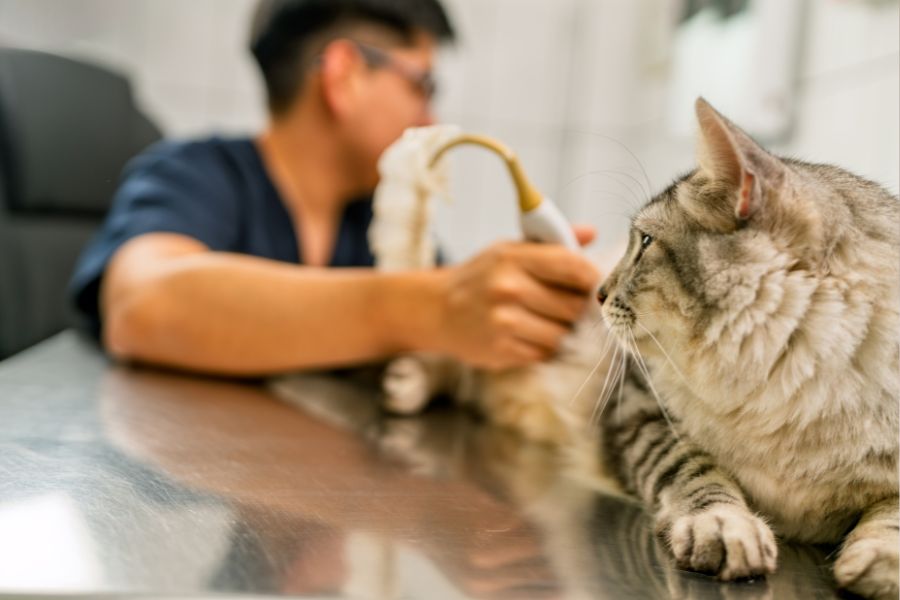
- X-rays & Ultrasounds: Spot tumors, joint damage, or organ enlargement.
Each test piece together a more accurate and detailed picture of your pet’s health, offering valuable guidance on nutrition, exercise, and medication.
Personalized Care Plans for a Longer, Better Life
Once diagnostic results are in, the next step is crafting a care plan tailored to your pet’s needs. Senior pet care clinics understand that no two pets age the same way.
From adjusting diets to introducing joint supplements or managing chronic illnesses with medication, this personalized approach helps extend both lifespan and quality of life.
Even behavioral changes like increased anxiety or disorientation can be treated with the right care—but only if you know what’s causing them.
A Worthwhile Investment in Your Pet’s Future
It’s natural to question the cost of diagnostic tests. However, early diagnosis often saves you more money in the long run by avoiding emergency procedures, hospital stays, or extensive treatments.
Most importantly, it grants your senior companion the comfort, mobility, and joy they deserve in their final years.
If you’re located in Charlotte, North Carolina, clinics offering senior pet care services make it easier than ever to take a proactive approach to pet health.
Final Thoughts: Give Your Pet the Gift of Health
Your senior pet has been a loyal companion for years – return the favor with proactive care. Regular diagnostic testing provides more than just peace of mind. It opens the door to early intervention, personalized treatment, and improved quality of life.
With trusted providers of pet diagnostic care and reliable senior pet care services, prioritizing your furry friend’s health has never been easier.
Don’t wait for visible signs of illness. Early action makes all the difference – because every tail deserves to wag happily into the golden years.
FAQs: Veterinary Diagnostic Care for Senior Pets
1. At what age is a pet considered a senior?
Most dogs and cats are considered seniors at around 7 years old, though it may vary based on breed and size.
2. How often should my senior pet get diagnostic testing?
Ideally, every 6 months. This schedule allows your vet to monitor changes and intervene early if needed.
3. Are diagnostic tests painful for my pet?
No. Most tests are non-invasive or minimally invasive, such as blood draws or imaging.
4. What signs should I look for between visits?
Look out for changes in appetite, weight, activity level, bathroom habits, or mood. Even subtle changes can indicate deeper issues.
5. Does pet insurance cover diagnostic testing?
Many pet insurance plans do cover diagnostics, especially when part of a routine wellness plan. Check with your provider.
6. Can lifestyle changes reduce the need for frequent tests?
While a healthy lifestyle helps, it doesn’t replace diagnostics. Silent conditions like kidney or thyroid issues require lab testing for detection.