New Client? Enjoy Your First Comprehensive Exam for Just $35!

Pet Preventive Care for Every Stage of Life
At Riverbend Veterinary PetCare Hospital, we believe that prevention is the best medicine. Our veterinarians provide a variety of pet preventative services in Charlotte, including wellness examinations, vaccinations, microchipping, parasite control and prevention, and nutrition and weight management.
Wellness Examinations for Pets
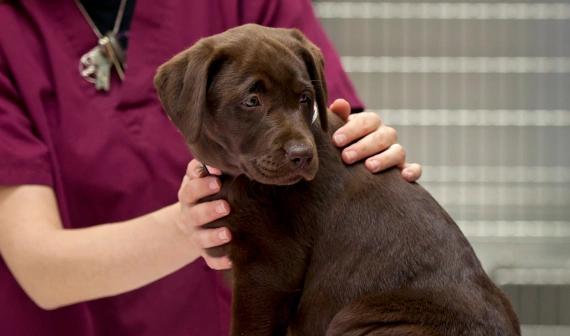
Even if your pet appears perfectly normal, it is important that they come in for their wellness examinations. Pets can sometimes mask signs and symptoms of illness or deteriorating health, but with a routine check-up, we can ensure that your pet will be on the right track to living a long, happy, and healthy life.
Here at Riverbend Veterinary PetCare Hospital, our Charlotte veterinary team is committed to making sure your pets are in their best possible health. Bringing your pet in for their routine examinations greatly increases the chances that our medical staff will catch a sign of illness or disease. Should we find something, we will discuss proper treatment options with you and take steps to prevent any further problems.
For puppies, kittens, senior pets, and pets living with a medical condition, it is recommended that they come in multiple times per year so that we can keep a closer eye on their health status.
During the physical examination, we will assess the health of the following areas:
- Temperature on case-by-case basis (Fear Free moves away from taking temperature for every pet)
- Heartbeat and respiratory rate
- Weight and body proportions
- Eyes, ears, and nose
- Dental hygiene and teeth
- Skin and fur
- Joints and muscles
- Abdominal organs
In addition to the physical exam, we may inquire about your pet’s daily routine to get a sense of their mental wellbeing. Such questions may include:
- When does your pet appear to be anxious or fearful?
- Does your pet enjoy playtime?
- What are their sleeping habits like?
- How friendly is your pet to other animals and people?
- Is your pet on heartworm, flea, or tick prevention?
- Are there any changes to their eating, drinking or bathroom habits?
- Has your pet had any vomiting or coughing?
- How is your pet's mobility?
This information, combined with findings from the physical examination, can give us a holistic view of your pet’s health. If you have any further questions or concerns regarding wellness exams or need to schedule one, please give us a call!
Vaccinations
Vaccinations are the easiest way to keep your pet safe from illness. Countless conditions can affect the health of pets in negative ways, but proper vaccinations serve as the best line of defense for all pets.
Here at Riverbend Veterinary PetCare Hospital, we know that not all pets are the same. This is why our veterinarians do not over-vaccinate our patients and only vaccinate for conditions that could directly affect them. By offering a line of core and non-core vaccines, our highly trained team of veterinarians will work with you to determine a regime of vaccinations that are tailored to your pet’s age, lifestyle, species, and health status.
Core Vaccines
Core Canine Vaccines- DHPP Vaccination – Also known as the Canine Distemper vaccine, DHPP prevents against four major diseases: Distemper, hepatitis, parainfluenza, and parvovirus.
- Rabies Vaccination – Protects against rabies, a fatal virus that almost all warm-blooded animals can contract.
Core Feline Vaccines: We use PureVax vaccines, designed to reduce the potential development of injection site sarcomas.
- FVRCP Vaccination – Also known as Feline Distemper vaccine, FVRCP prevents against three potentially deadly airborne viruses: rhinotracheitis, calicivirus and panleukopeni
- Rabies Vaccination – Protects against rabies, a fatal virus that almost all warm-blooded animals can contract.
Non-core vaccines are not administered to every pet and are instead given based on a pet’s particular needs such as environment, lifestyle, and health conditions.
Non-Core Canine Vaccines
- Lyme Vaccination – Protects against Lyme disease which is a tick-borne illness.
- Canine Influenza Virus (CIV) Vaccination – Prevents the spread of two strains, H3N2, and H3N8 of canine influenza.
- Leptospirosis Vaccination – A bacterial organism that can be spread by rats and wild animals through contaminated standing water to dogs and humans. Symptoms include fever, itching, vomiting, and liver and kidney failure.
- Bordetella Vaccination – A highly contagious respiratory disease in dogs that causes a nasty hacking cough (known as “Kennel Cough”) and can last up to six or more weeks.
Non-Core Feline Vaccines
- FeLV Vaccination – Prevents feline leukemia, a serious and often fatal disease in cats.
Similar to human vaccinations, pet vaccines work by exposing the body to low levels of pathogens from a particular disease. The immune system then builds disease-fighting antigens to protect the body should the pet come in contact with the actual disease. Also, the more pets that are vaccinated against a disease, the harder it becomes for the disease to spread and infect others.
Should you have any questions or concerns about pet vaccinations, need to have your pet vaccinated, or want a copy of your pet’s vaccination records, please give us a call.
Parasite Control
Parasites can cause numerous problems for pets, ranging from minor discomfort to life-threatening infections. This is why parasite prevention is an essential step in keeping your pet in good health.
Our medical team offers a simple two-step prevention method to protect pets from parasites:
- Consistent, year-round prevention medications
- Annual parasite testing
Preventative medications ensure the comfort and safety of not only your pet, but other pets and people as well. Having pets properly medicated for parasite protection creates a safeguard for the pet community, and even protects humans from zoonotic diseases. We strongly encourage continuous preventive pet care throughout the year.
All pets are regularly exposed to parasites, but having a routine preventive care plan greatly reduces the chances of infection. Our veterinarians will discuss which preventative methods are more appropriate for your pet and recommend pet medication options that work best for you and your pet in Charlotte.
Even if your pet seems to be perfectly healthy and parasite-free, we still encourage that your pet be tested annually. In some cases, parasites can be spotted with the naked eye, but are most often only detectable with testing. These tests might require blood, skin, or fecal samples (we ask that you bring a fresh stool sample to every wellness visit).
Common Parasites in Pets
Ticks are capable of causing several diseases in pets, such as Lyme disease or Rocky Mountain Spotted Fever. Ticks tend to commonly be found in grassy or wooded areas, so it is important to check your pet for ticks after they come in from the outdoors. When checking your pet for ticks, you should inspect the areas around the ears, collar, eyelids, legs, toes, and tail.
Fleas can bite and latch onto the skin and cause an array of medical problems for your pet. Fleas can cause itching, allergic reactions, dermatitis, tapeworms, and bacterial infections. While flea populations tend to peak in the warmer months, here in North Carolina, it is still essential that your pet receives year-round preventative veterinary care.
Mosquitoes do not latch onto or stick to pets, but they can still cause a serious problem for pets: heartworm disease. Infected mosquitoes can pass heartworm disease to pets which can result in heart failure, lung disease, and damage to other major organs. Heartworm disease is more commonly found in dogs, but cats are still at risk.
Initially, heartworm disease does not cause any noticeable symptoms in pets. Therefore, by the time your pet begins to show symptoms, it is likely that irreversible damage has already been done. Bringing your pet in for their routine checkups and keeping them on preventive medications all year keeps them safe.
Intestinal parasites can affect your pet in a variety of ways, ranging from minor discomfort to serious illness. Intestinal parasites are often contracted from contact with contaminated soil. Examples of intestinal parasites include hookworms, roundworms, tapeworms, whipworms, giardia, and coccidia.
Microchipping
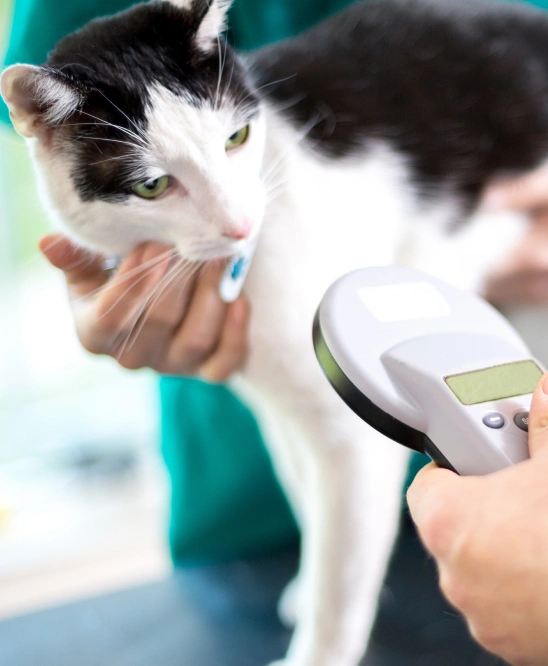
Every year, over 10 million cats and dogs are lost or stolen. This means that 1 in 3 pets are separated from their owners at some point in their life. Fortunately, microchipping is an easy way to prevent such heartbreak. Even if you consider yourself to be a cautious owner, accidents can happen. This is why we strongly encourage all of our Charlotte clients to have their pet microchipped for peace of mind.
Microchipping is a permanent form of electronic identification for your pet that is implanted under the skin. Every microchip has a unique serial number that is scanned by veterinarians, animal hospitals, and shelters whenever a lost pet is found. This allows your pet to be quickly identified and reunited with you if they ever become lost.
The insertion of the microchip is quick and easy for your pet. The microchip is roughly the size of a grain of rice and is injected into the shoulder blade region of your pet, just under the skin. The insertion can be completed at any stage in a pet’s life, but it is recommended that it be done at an early age, as younger pets are more likely to get lost. Once the chip is inserted, you can upload your pet’s name, description, and your personal contact information to an online national database. You may update this information at any time if needed.
Nutrition & Weight Management
Obesity poses a serious threat to the health of pets in the United States. According to a recent survey conducted by the Association for Pet Obesity, over half of all pets are obese. Obesity can lead to kidney and liver disorders, joint damage, diabetes, breathing problems, overall poorer quality of life, and a lower life expectancy.
A pet’s gradual weight gain can go unnoticed by the owner, which is why our veterinary team reviews nutrition and weight management information with each client during wellness visits. We work with clients to ensure that their pet is maintaining an ideal body weight, eating nutritious and properly proportioned foods, and staying active.
Contributing factors to pet obesity:
- Food: Overfeeding pets or giving an excess amount of treats can lead to an overall higher calorie intake, which causes obesity.
- Lack of exercise: For some owners, we know that finding time to take your dog for a walk or play session is not always easy. Nonetheless, your pet must get enough playtime to keep them active.
- Premature spay or neuter: This can cause hormonal changes which can slow metabolism and lead to weight gain.
- Medications: Although beneficial, certain pet medications may cause an increase in appetite, leading to weight gain.
- Health conditions such as thyroid or adrenal disease.
