New Client? Enjoy Your First Comprehensive Exam for Just $35!



How Often Should a Senior Pet Get a Check-Up?
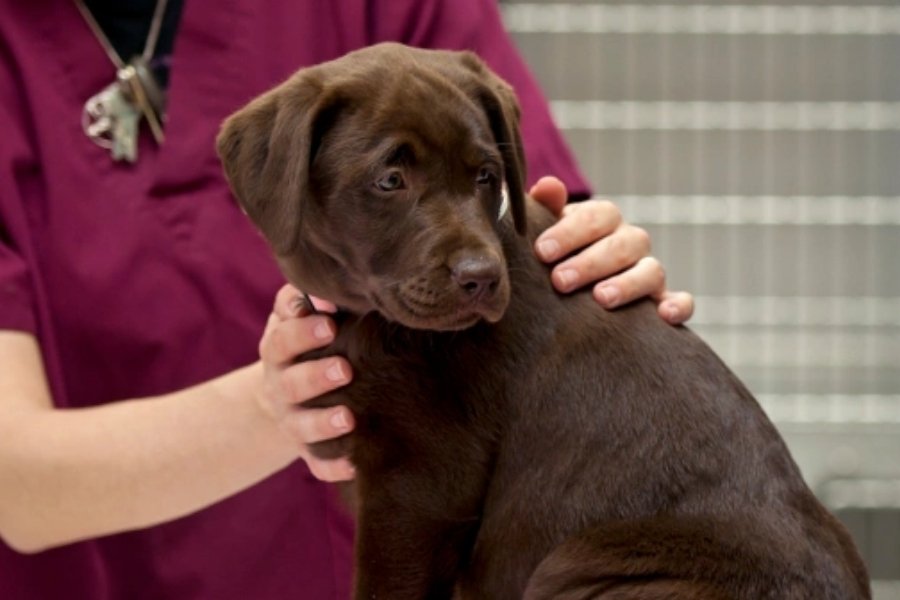
Aging gracefully doesn’t just apply to humans—it’s something we want for our beloved pets too. As pets grow older, their health needs shift, and routine vet visits become more than just a formality. Senior pets are more vulnerable to chronic conditions, mobility issues, dental disease, and organ dysfunction. Because of this, their check-up schedule should be more frequent and more thorough.
Let’s explore how often senior pets should see the vet, what to expect during these visits, and how proper preventative care can make all the difference in their golden years.
Time Moves Faster for Pets: Why Aging Accelerates Health Risks
Just like people, pets experience natural aging—but at a much faster pace. A dog or cat is generally considered a senior around age 7, though that can vary depending on breed and size. For example, larger dogs tend to age faster than smaller ones.
As pets enter their senior stage, their immune system weakens. They’re more prone to arthritis, kidney disease, dental issues, vision loss, and even cognitive decline. Because these changes can be subtle at first, more frequent vet check-ups become necessary.
Twice-a-Year Exams Are Essential
Veterinarians widely recommend that senior pets get a full wellness check-up every 6 months. This biannual schedule allows the vet to monitor changes in health more closely, catch early warning signs of disease, and make adjustments to treatments or diet.
Each check-up typically includes:
- Full physical examination
- Dental and oral health evaluation
- Bloodwork and urinalysis
- Weight monitoring and nutritional advice
- Arthritis and mobility assessment
- Vaccine updates, if needed
Unlike younger pets, whose systems are more resilient, seniors benefit immensely from this tighter monitoring schedule.
Spotting Problems Before They Start: Prevention Over Reaction
Senior pets are experts at hiding discomfort. Many illnesses, like kidney disease or cancer, progress quietly before any visible symptoms appear. By the time they do, treatment options may be limited or costly.
That’s where pet preventative care becomes your pet’s lifeline in Charlotte, NC. Local vets often tailor care plans based on your pet’s age, breed, and lifestyle. Preventative care not only reduces medical emergencies but also helps your senior pet enjoy a more comfortable, longer life.
What Happens During a Senior Pet Check-Up?
A senior wellness exam is more than a simple health review. It’s an in-depth analysis that gives your vet a full picture of your pet’s internal and external health.
Here’s what you can expect during your visit:
- Comprehensive physical exam covering skin, coat, heart, lungs, joints, and abdomen
- Bloodwork and urinalysis to check for infections, anemia, diabetes, or organ failure
- Dental screening to identify gum disease, loose teeth, or infections
- Mobility assessment to check for signs of arthritis or joint deterioration
- Weight analysis to determine if muscle loss or obesity is occurring
- Discussion about lifestyle changes, including diet, exercise, and comfort at home
These evaluations, when done twice a year, give your pet the best chance at avoiding painful and life-limiting conditions.
Want to Learn More? Check This Out
Curious why these detailed check-ups are so important?
???? Why Veterinary Diagnostic Care Matters for Senior Pets
This guide explains how diagnostics help detect hidden illnesses early, giving your pet a longer and healthier life.
How Pet Preventive Care Makes a Difference
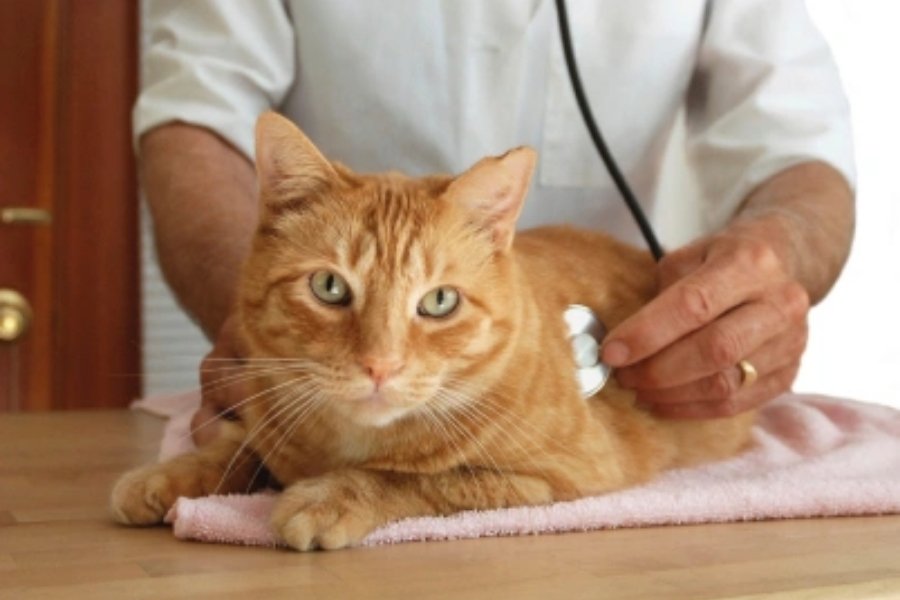
Charlotte is home to veterinary clinics that emphasize proactive, rather than reactive, care. With regular wellness visits, advanced diagnostics, and personalized care plans, pets are living healthier and longer lives.
Pet preventative care includes state-of-the-art diagnostics, modern treatment options, and experienced veterinary teams who truly understand what senior pets need. Whether your senior pet is slowing down or still playful, these visits provide insight and reassurance for every stage.
The Aging Advantage: Peace of Mind for Pet Parents
One of the biggest benefits of routine check-ups is peace of mind. Knowing that your vet is tracking every aspect of your pet’s health means fewer surprises, less stress, and better long-term outcomes.
Moreover, consistent care opens up conversations about quality of life, mobility support, dietary needs, and even end-of-life planning—all handled with empathy and clarity.
Final Thought: Make Time for Their Golden Years
Our senior pets give us years of unconditional love. Giving them the care they need in return is a small price for all the loyalty and companionship they offer. Biannual vet visits aren’t just a checklist item; they’re a proactive step toward a longer, pain-free life.
To keep your aging companion thriving, make use of pet preventative care. The right care team, consistent check-ups, and early interventions can truly make a world of difference.
Frequently Asked Questions
1. How do I know if my pet is considered a senior?
Dogs and cats are typically considered senior at age 7. Larger breeds may be considered senior as early as 5 or 6 years old.
2. What if my pet seems healthy—do they still need check-ups twice a year?
Yes. Many serious illnesses don’t show obvious signs early on. Regular exams detect these silent threats before they escalate.
3. Do senior pets need different vaccinations?
While they may not need as many vaccines, your vet may recommend specific ones based on lifestyle and immunity levels.
4. How much do senior check-ups cost?
Prices vary, but some clinics in Charlotte offer wellness packages that bundle exams, lab tests, and consultations at discounted rates.
5. Is dental care really that important for older pets?
Absolutely. Dental disease can lead to infections that affect the heart, liver, and kidneys—especially in seniors.
6. How do I prepare for a senior pet check-up?
Bring a list of your pet’s recent behaviors, any symptoms, dietary changes, medications, and stool/urine observations. It helps your vet evaluate health trends.