New Client? Enjoy Your First Comprehensive Exam for Just $35!

Is Your Pet’s Water Bowl a Health Hazard? Find Out
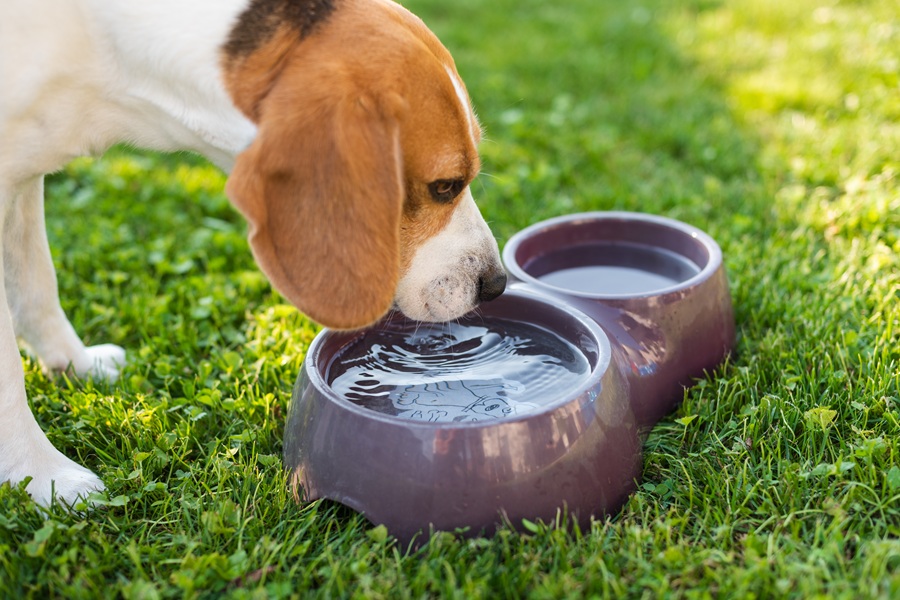
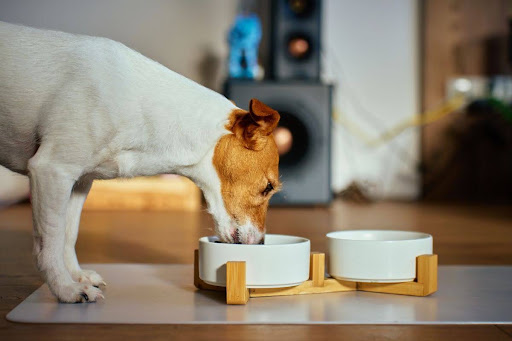
Water is life—for both humans and pets. But while pet owners often pay extra attention to food quality, they may forget to check what’s happening inside their pet’s water bowl. Surprisingly, that innocent-looking dish can harbor harmful bacteria, mold, or even algae if not cleaned properly. The question is simple: is your pet’s water bowl a source of hydration or a hidden health hazard?
The Overlooked Danger in Pet Hydration
At first glance, a bowl filled with water looks clean and harmless. However, microscopic threats lurk where you least expect them. Over time, bacteria multiply quickly in standing water. Within just a few hours, slimy biofilm can develop along the sides of the bowl, acting as a sticky home for germs. Some of these pathogens may cause stomach upset, skin issues, or even more serious infections in pets.
Clean water isn’t only about what comes from the tap—it depends heavily on the container it sits in. Ignoring this fact could endanger your pet’s well-being more than you realize.
Sneaky Symptoms Linked to Contaminated Water Bowls
Because health hazards often start small, they can easily be overlooked until they escalate. Symptoms vary depending on the type of bacteria or fungi your pet encounters, but common red flags include:
- Unexplained diarrhea or vomiting
- Frequent skin infections or irritation around the mouth
- Reduced appetite and sluggish behavior
- Coughing or sneezing without another clear cause
- Reluctance to drink
When these issues crop up regularly, a contaminated water bowl may be part of the problem. Reaching out to a vet clinic can help confirm or rule out water-related health risks.
Why Bowl Material Matters More Than You Think
Not all pet bowls are created equal. Some materials carry higher risks than others:
- Plastic bowls often scratch easily, creating crevices where bacteria thrive.
- Ceramic bowls can be safe if glazed properly, but cracks let contaminants hide.
- Stainless steel bowls are widely recommended because they resist scratches and are easy to sanitize.
Choosing the right material reduces the likelihood of bacterial colonies growing unnoticed. For this reason, many pet care experts and your veterinary expert will almost always advise stainless steel as the safer option.
Simple But Effective Cleaning Habits
The good news is that preventing water-bowl hazards doesn’t require complex solutions. With consistent cleaning habits, you can dramatically lower risks.
- Wash bowls daily with hot, soapy water
- Use a brush dedicated only for your pet’s dishes
- Rinse thoroughly to remove soap residue
- Sanitize once a week with a pet-safe disinfectant or in the dishwasher (if safe for the bowl type)
- Always refill with fresh tap or filtered water instead of topping it off
These steps don’t just keep the water safe—they also encourage pets to drink more, since animals often prefer cleaner, fresher water.
When to Call a Vet
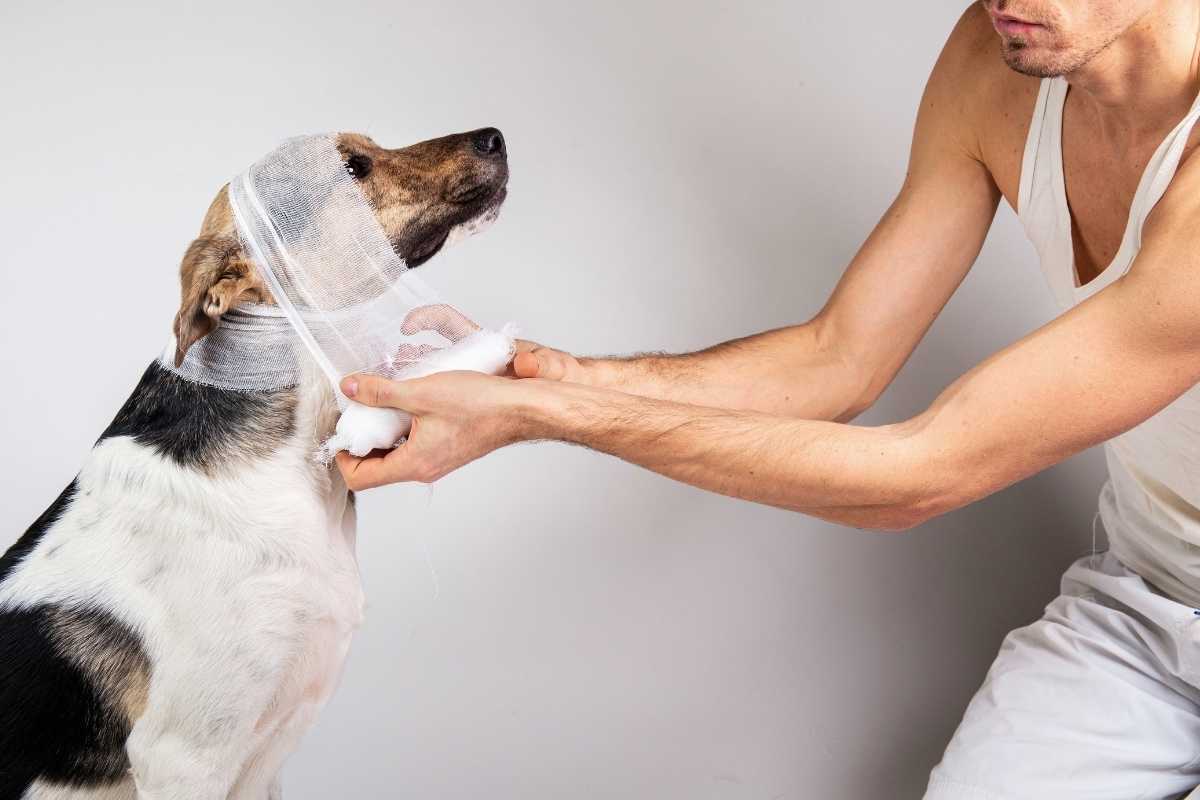
Sometimes, even with excellent hygiene practices, health issues may arise. If your pet shows signs of chronic stomach distress, oral irritation, or sudden changes in drinking behavior, professional support becomes essential. A trusted vet Charlotte can perform diagnostic tests, check for bacterial infections, and ensure the water source isn’t contributing to the problem.
Preventing illness is always easier (and cheaper) than treating it later. By involving a skilled vet in your pet’s care, you ensure small concerns never spiral into serious health threats.
A Bigger Picture: Hydration and Whole-Body Health
Safe water bowls are only one piece of the puzzle. Proper hydration supports every major system in your pet’s body—from kidneys to skin to energy regulation. When combined with a nutritious diet, regular wellness checkups, and consistent hydration monitoring, you provide your furry friend with the foundation for a strong and vibrant life.
Clean bowls, clean water, and proactive care create a simple but powerful trio for long-term wellness.
FAQs About Pet Water Bowl Safety
Q1. How often should I wash my pet’s water bowl?
Ans. Daily washing is recommended. For added protection, sanitize bowls weekly, especially in warm or humid conditions.
Q2. Can my pet get sick from a dirty water bowl?
Ans. Yes. Bacterial buildup in bowls can lead to digestive upset, lingering infections, or even long-term health complications.
Q3. Are plastic bowls really unsafe for pets?
Ans. Plastic bowls are prone to scratches that trap bacteria. Stainless steel or ceramic (without cracks) is safer.
Q4. Should I use filtered water instead of tap water?
Ans. Filtered water can reduce exposure to chlorine or heavy metals, which may benefit sensitive pets. Ask your veterinarian for personalized advice.
Q5. My pet refuses to drink from their water bowl—what should I do?
Ans. Try switching bowl types or placing multiple water bowls throughout your home. Persistent refusal deserves a visit to a vet.
Q6. Is it safe to wash pet bowls in the dishwasher?
Ans. Yes, if the material is dishwasher-safe. This method sanitizes more effectively than hand-washing alone.
Conclusion: A Simple Step Toward Better Health
Your pet deserves safe hydration every single day. What feels like a small factor—the cleanliness of their water bowl—can make a huge difference in overall health. By choosing safer materials, practicing effective cleaning habits, and consulting a vet if strange symptoms appear, you transform a simple bowl into a tool of wellness.
With the guidance of a caring veterinarian, you ensure your pet’s water bowl is never a health hazard but rather a steady source of life, energy, and vitality.