New Client? Enjoy Your First Comprehensive Exam for Just $35!



How to Prepare Your Pet for Surgery: Step-by-Step Guide
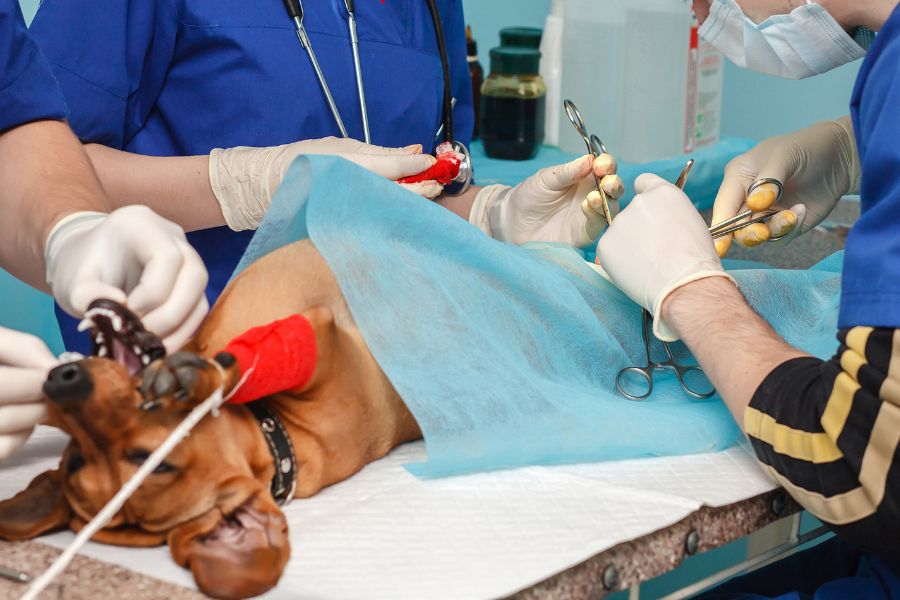
Preparing your pet for surgery can feel overwhelming, but with the right guidance, you can ensure a safe and smooth experience. This step-by-step guide covers everything from pre-surgery preparations to post-operative care, helping your furry friend recover quickly. Riverbend Veterinary PetCare Hospital provides expert advice on pet surgery, including what to expect after pet surgery, dog ACL surgery recovery tips, and essential steps for preparing your pet for surgery. By following these recommendations, pet owners can reduce stress for both themselves and their pets while promoting a faster, healthier recovery.
Why Proper Preparation Matters
Pet surgery, whether elective or emergency, is a major event. Proper preparation ensures:
- Reduced anxiety for your pet.
- Faster recovery with fewer complications.
- Clear understanding of post-surgery care.
Every Animal hospital emphasizes that well-prepared pets experience smoother procedures and better outcomes.
Step 1: Pre-Surgery Consultation
Before any procedure, schedule a pre-surgery consultation with your veterinarian. During this visit:
- Review your pet’s medical history, including allergies and medications.
- Discuss anesthesia options and potential risks.
- Get a clear timeline for the surgery and post-operative care.
This step is critical for identifying any underlying conditions that may affect recovery.
Step 2: Fasting and Medication Guidelines
Most pets need to fast before surgery:
- Typically, food is withheld 8–12 hours prior, but water may be allowed.
- Follow your veterinarian’s instructions regarding medications; some may need to be stopped, while others are allowed with a small sip of water.
Adhering to these guidelines reduces the risk of complications under anesthesia.
Step 3: Preparing Your Pet’s Environment
Create a calm and comfortable space for your pet:
- Use a soft bed in a quiet, warm room.
- Remove access to stairs or slippery floors post-surgery.
- Limit stressful stimuli like loud noises or other pets.
A prepared environment minimizes stress and supports a smooth dog ACL surgery recovery or recovery from other procedures.
Step 4: Transporting Your Pet to the Animal Hospital
When it’s time for surgery:
- Use a secure carrier for cats or small dogs.
- Larger dogs may need a leash and assistance for safe transport.
- Arrive early to allow your pet to acclimate to the animal clinic.
Early arrival reduces anxiety and gives veterinarians time to perform pre-surgery checks.
Step 5: What to Expect During Surgery
Understanding the surgical process helps manage expectations:
- Anesthesia will be administered to keep your pet pain-free.
- The veterinary team monitors heart rate, respiration, and oxygen levels throughout.
- The procedure duration depends on the type of surgery; minor procedures may take 30–60 minutes, while complex surgeries like dog ACL surgery may take several hours.
Asking your vet for updates can provide peace of mind.
Step 6: Post-Surgery Care
After surgery, your pet needs attentive care:
- Monitor incision sites for redness, swelling, or discharge.
- Follow medication schedules for pain management and antibiotics.
- Restrict activity and prevent jumping or running to support ACL surgery recovery.
- Provide small, frequent meals once your vet confirms your pet can eat.
Post-operative care directly influences recovery speed and reduces complications.
Step 7: Follow-Up Visits
Follow-up appointments are essential:
- The vet may remove stitches or staples.
- Assess your pet’s healing progress and address concerns.
- Adjust medications or therapy plans as needed.
Riverbend Veterinary PetCare Hospital emphasizes that regular follow-ups ensure your pet’s surgery is successful.
Tips for Reducing Your Pet’s Anxiety
- Practice gentle handling before surgery to desensitize your pet.
- Offer familiar toys or blankets during recovery.
- Use calming pheromone sprays or recommended natural aids.
- Maintain a consistent routine to provide reassurance.
Calm pets recover more comfortably and have better post-surgery outcomes.
Properly preparing your pet for surgery is key to a successful procedure and smooth recovery. From pre-surgery consultations to careful post-operative care, each step plays a vital role in your pet’s health. Riverbend Veterinary PetCare Hospital in Charlotte, NC, is dedicated to guiding pet owners through the process, ensuring pets feel safe and loved throughout their surgical journey. Contact Riverbend Veterinary PetCare Hospital today to learn more about preparing your pet for surgery and ensuring the best outcomes.
Frequently Asked Questions
Q1. How long should I fast my pet before surgery?
Ans: Most pets need to fast 8–12 hours before surgery, but water may be allowed. Always follow your veterinarian’s specific instructions.
Q2. What should I expect after pet surgery?
Ans: Expect limited activity, monitoring for incision issues, pain management, and scheduled follow-ups with your veterinary team.
Q3. How can I help my dog recover from ACL surgery?
Ans: Restrict activity, provide gentle walks as recommended, follow medication instructions, and monitor incision sites for complications.
Q4. When should I call the animal hospital after surgery?
Ans: Contact your vet immediately if you notice swelling, bleeding, vomiting, lethargy, or unusual behavior in your pet.
Q5. How can I reduce my pet’s anxiety before surgery?
Ans: Familiar blankets, gentle handling, pheromone sprays, and maintaining a calm routine can reduce stress for pets before and after surgery.
