New Client? Enjoy Your First Comprehensive Exam for Just $35!



Senior Pet Wellness Exams: Why Twice-Yearly Visits Matter After Age 7
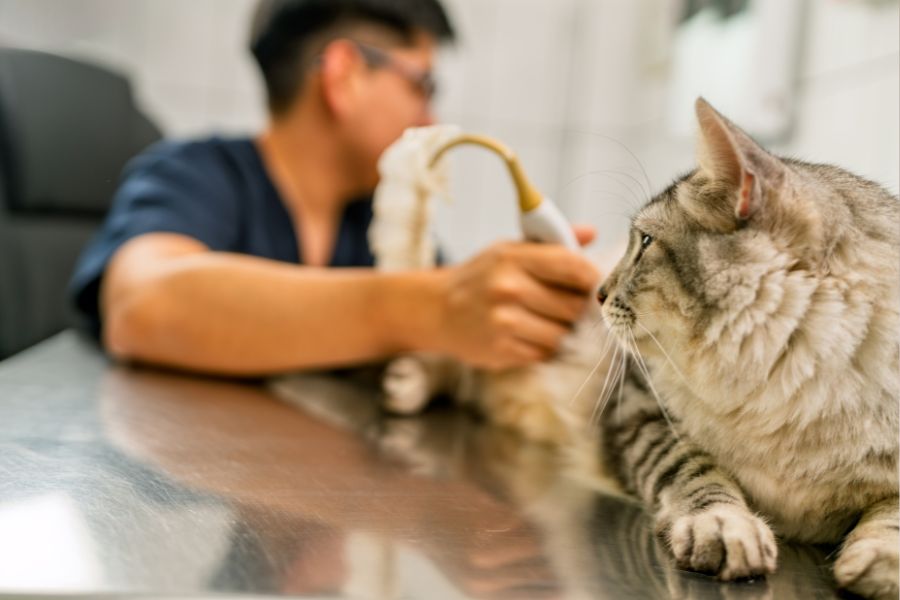
Senior pet wellness exams are vital for maintaining your aging dog or cat’s health and comfort. After age seven, pets experience accelerated physical changes that often go unnoticed until they progress. Twice-yearly veterinary checkups help detect these early signs, manage chronic conditions, and support longevity through personalized preventive care. This article from Riverbend Veterinary PetCare Hospital explains the importance of senior pet wellness exams, what to expect during visits, and how proactive monitoring ensures your companion’s best quality of life.
Understanding Senior Pet Wellness Exams
As pets age, their bodies undergo significant physiological changes — from metabolic slowdown to immune system decline. Around the age of seven, dogs and cats officially enter their senior life stage, requiring a new level of preventive and diagnostic care.
A senior pet wellness exam is a comprehensive health evaluation designed to detect early signs of disease before symptoms become apparent. Unlike standard checkups, these exams focus on:
- Organ function monitoring through bloodwork and urinalysis
- Nutritional and weight management to prevent obesity or muscle loss
- Dental and oral health assessment
- Mobility and pain evaluation for arthritis or degenerative joint conditions
- Vision, hearing, and cognitive health screenings
By performing these exams twice a year, veterinarians can identify subtle trends — such as rising kidney values or weight changes — that signal early disease development.
Why Twice-Yearly Visits Are Essential After Age 7
Many pet owners wonder why senior pets require biannual checkups when younger pets often visit annually. The reason lies in metabolic and cellular aging.
- Aging progresses faster in pets — one year for a senior pet can equal several human years in biological aging.
- Diseases like diabetes, kidney failure, arthritis, and cancer can develop within months.
- Regular wellness exams every six months allow veterinarians to detect, diagnose, and intervene early — when treatments are most effective.
For instance, a senior dog’s mild increase in liver enzymes detected in the spring could progress to clinical liver disease by winter if left unchecked. Proactive care saves lives, minimizes suffering, and often reduces long-term costs.
The Senior Dog Checkup: What to Expect
A senior dog checkup involves more than a physical examination. It’s a comprehensive review of your dog’s health status and lifestyle.
1. Physical and Behavioral Assessment
Your veterinarian evaluates coat condition, muscle tone, dental health, joint flexibility, and heart/lung sounds. Changes in behavior — such as increased thirst, reduced activity, or confusion — may indicate underlying health concerns.
2. Diagnostic Screenings
Bloodwork (CBC and chemistry panel), urinalysis, and thyroid testing are essential to detect common conditions like hypothyroidism, kidney disease, or anemia.
3. Pain and Mobility Evaluation
Arthritis is common in senior dogs. Gait analysis and joint palpation help assess pain levels. Early treatment with supplements, laser therapy, or medication improves comfort.
4. Nutrition and Weight Review
Aging alters metabolism, making tailored diets critical. Your veterinarian may recommend senior formulas rich in omega-3 fatty acids and joint-support nutrients.
5. Vaccination and Parasite Protection
Even older dogs need protection. Core vaccines and year-round parasite prevention remain vital for immune support and comfort.
Senior Cat Wellness: A Closer Look
Cats often mask illness until it becomes advanced, making senior cat wellness exams crucial.
1. Silent Symptoms, Serious Conditions
Subtle changes — decreased grooming, sleeping more, or slight weight loss — can indicate hyperthyroidism, kidney disease, or dental pain.
2. Specialized Diagnostic Testing
Senior cats benefit from complete blood panels, urine analysis, and blood pressure checks. Early detection of kidney and thyroid disorders significantly improves lifespan and quality of life.
3. Mobility and Environment Evaluation
Cats develop arthritis too. Your vet may suggest mobility aids, heated beds, or low-sided litter boxes to support comfort.
4. Dental and Oral Health
Periodontal disease is one of the most common senior cat issues. Regular dental exams and cleanings help prevent infection and pain.
5. Nutrition and Hydration
Proper hydration and balanced senior diets prevent constipation and urinary tract problems, supporting kidney health.
Preventive Care for Dogs and Cats: The Foundation of Longevity
Preventive medicine is the cornerstone of senior pet care. By addressing risks before they manifest, veterinarians extend pets’ active years.
Key Preventive Measures Include:
- Routine bloodwork to track organ health
- Blood pressure monitoring to detect hypertension early
- Dental cleanings to prevent oral infections
- Weight management through balanced nutrition
- Parasite control to avoid systemic infections
- Behavioral monitoring to detect cognitive decline
These proactive steps create a detailed health baseline for every pet, allowing early intervention when values or behaviors deviate from normal.
The Hidden Benefits of Regular Senior Pet Exams
Beyond disease detection, biannual senior exams offer additional advantages:
- Improved Quality of Life: Early pain management enhances mobility and mood.
- Financial Savings: Preventing disease is often less expensive than emergency treatment.
- Customized Care Plans: Veterinarians can adapt care to your pet’s specific age, breed, and health profile.
- Strengthened Human-Animal Bond: Regular visits help pet owners stay informed and confident in managing age-related needs.
Routine visits also foster open communication between pet owners and the veterinary team, ensuring questions are addressed promptly.
Senior pets enrich our lives with years of love and loyalty. As they age, they deserve dedicated care that preserves their comfort and vitality. Twice-yearly senior pet wellness exams are not just routine checkups — they are essential preventive measures that safeguard long-term health and happiness.
Suppose you are conveniently located in Charlotte, NC and searching for the best senior pet care near me. In that case, Riverbend Veterinary PetCare Hospital is the right choice for compassionate, advanced, and reliable care.
FAQs
Q1: What age is considered senior for dogs and cats?
Ans: Most pets are considered senior around age seven. However, larger dog breeds may reach senior status earlier due to faster aging rates.
Q2: Why are senior pet wellness exams recommended twice a year?
Ans: Because pets age faster than humans, health changes can occur within months. Biannual exams detect diseases early for timely intervention.
Q3: What tests are included in a senior dog checkup?
Ans: Senior dog checkups typically include bloodwork, urinalysis, thyroid screening, dental exams, and mobility assessments.
Q4: How can I support my senior cat’s health at home?
Ans: Provide balanced senior nutrition, ensure easy litter box access, maintain hydration, and schedule regular veterinary visits for early detection.
Q5: Are senior pets more prone to certain diseases?
Ans: Yes. Common issues include arthritis, kidney disease, diabetes, dental problems, and cancer — all best managed through preventive care and early diagnosis.