New Client? Enjoy Your First Comprehensive Exam for Just $35!



The Importance of Regular Vet Visits: How Often Should You Go?
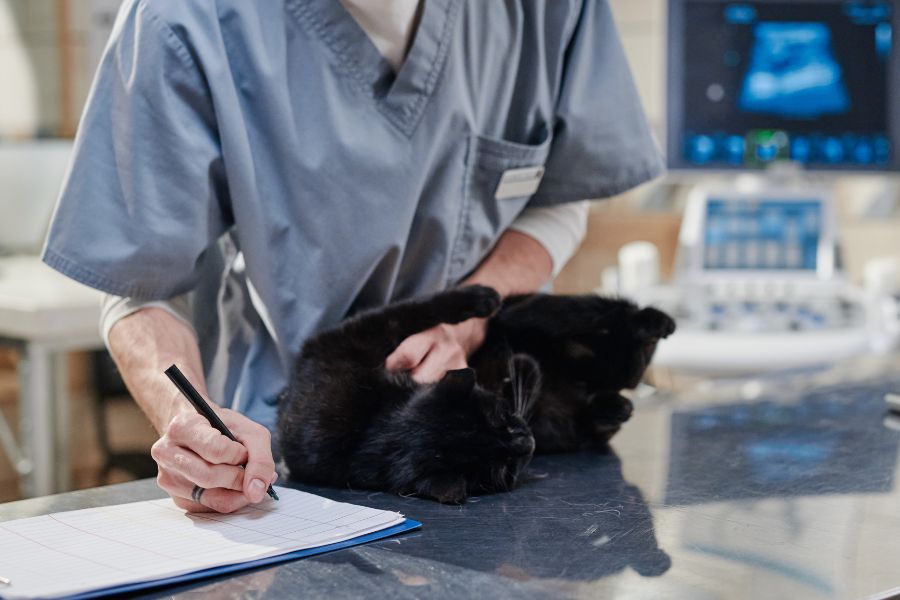
Keeping your pet healthy starts with consistent vet visits and preventive care. Whether you have a playful puppy or a senior cat, routine vet checkups help detect issues early and promote long-term wellness. In this article, we’ll explain the importance of regular vet visits, how often to go, and what to expect from your pet’s wellness exams at a trusted animal hospital.
Why Regular Vet Visits Are Important
Many pet parents delay vet visits until something seems wrong, but pets often mask pain and illness. That’s why routine veterinary checkups are so vital — they help catch small problems before they become serious.
During a veterinary wellness exam, your vet will:
- Check your pet’s heart, lungs, eyes, and teeth
- Assess body weight and nutrition
- Screen for parasites and early signs of disease
- Update vaccines
- Discuss lifestyle, exercise, and diet adjustments
Regular vet visits are the foundation of preventive pet health care, helping your pet live a longer, happier life.
How Often Should You Schedule Pet Checkups?
The ideal pet health checkup schedule depends on your pet’s age, breed, and overall health status. Below is a helpful guide to follow for both dogs and cats:
Puppies and Kittens (0–12 Months)
- Frequency: Every 3–4 weeks until all vaccinations are complete.
- Focus: Immunizations, deworming, and early development monitoring.
- Why it matters: These early visits build a strong immune foundation and ensure proper growth.
Adult Dogs and Cats (1–7 Years)
- Frequency: At least once a year for a full wellness checkup.
- Focus: Physical exams, parasite prevention, vaccine boosters, and dental assessments.
- Why it matters: Annual vet visits for pets maintain peak health and detect issues early.
Senior Pets (7+ Years)
- Frequency: Every 6 months.
- Focus: Bloodwork, mobility assessment, weight tracking, and chronic disease screening.
- Why it matters: Early diagnosis and treatment can significantly extend your pet’s quality of life.
Your routine vet visits for dogs and cats will evolve as their needs change. Consult your nearest veterinarian to create a vet appointment for your pet.
What Happens During a Pet Wellness Exam
A pet wellness exam covers all the basics of preventive care. Here’s what you can expect from a Veterinary clinic:
- Physical evaluation: Checking coat, eyes, ears, teeth, and abdomen
- Diagnostic tests: Bloodwork, urinalysis, or X-rays (as needed)
- Parasite prevention: Heartworm, flea, and tick prevention planning
- Dental checkup: Oral health and cleaning recommendations
- Vaccination review: Ensuring protection against diseases like rabies, distemper, and parvovirus
These comprehensive veterinary wellness checkups not only track your pet’s health but also build a valuable medical history for future care.
The Role of Preventive Veterinary Care
Preventive veterinary care for pets focuses on maintaining health, not just treating illness. It includes all aspects of daily wellness that keep your pet thriving:
- Nutrition management: Balanced diets and weight control
- Parasite and flea prevention: Protecting your pet year-round
- Behavioral advice: Addressing anxiety, training, and lifestyle habits
- Dental hygiene: Regular cleanings and at-home brushing routines
Proactive care helps avoid costly emergency visits and improves your pet’s overall well-being. Think of preventive care as insurance for a healthier future.
Preparing for Your Next Vet Visit
To make the most of every veterinary appointment, come prepared:
- Bring vaccination records and medical history.
- Note any unusual behaviors or symptoms.
- List your pet’s diet, medications, and supplements.
- Ask questions about nutrition, aging, or exercise needs.
Your veterinarian is your partner in comprehensive pet health care, so honest communication helps ensure your pet receives the best possible treatment.
Common Myths About Vet Visits
Many misconceptions prevent owners from scheduling regular appointments. Let’s debunk a few:
- Myth 1: Indoor pets don’t need vet visits.
Truth: Even indoor cats and dogs need annual vaccines and dental care. - Myth 2: Younger pets don’t get sick.
Truth: Puppies and kittens are vulnerable to parasites and congenital issues. - Myth 3: Annual exams are too expensive.
Truth: Preventive care saves money by avoiding emergency treatments later.
By committing to routine vet visits, you’re ensuring your pet stays healthy and protected year-round.
Choosing the Right Veterinary Hospital in Charlotte, NC
When looking for an animal hospital in Charlotte, NC, choose one that emphasizes compassionate, comprehensive care. A trusted clinic such as Riverbend Veterinary PetCare Hospital offers:
- Personalized wellness plans for every life stage
- Advanced diagnostic technology
- Gentle handling for anxious pets
- Knowledgeable veterinarians who value preventive medicine
Consistent veterinary visits are the cornerstone of responsible pet ownership. From early disease detection to customized care, regular exams ensure your pet’s health at every stage of life.
FAQs:
Q1: How often should pets see the vet for checkups?
Ans: Adult pets should have a wellness exam once a year, while puppies, kittens, and seniors may need visits every 3–6 months.
Q2: What is included in a preventive vet visit?
Ans: Preventive visits include physical exams, vaccinations, dental checks, parasite control, and nutrition advice.
Q3: Why are regular vet visits important even if my pet looks healthy?
Ans: Pets often hide symptoms — regular exams detect early signs of illness that may not be visible at home.
Q4: How do I prepare my cat or dog for a vet appointment?
Ans: Use a calm voice, familiar carriers, and treats to reduce stress before traveling to the clinic.
Q5: What happens if I skip annual vet visits?
Ans: Delaying checkups can lead to missed vaccinations, undetected diseases, and costly treatments later.