New Client? Enjoy Your First Comprehensive Exam for Just $35!



Holiday Safety Tips: Keep Your Pet Safe This Christmas
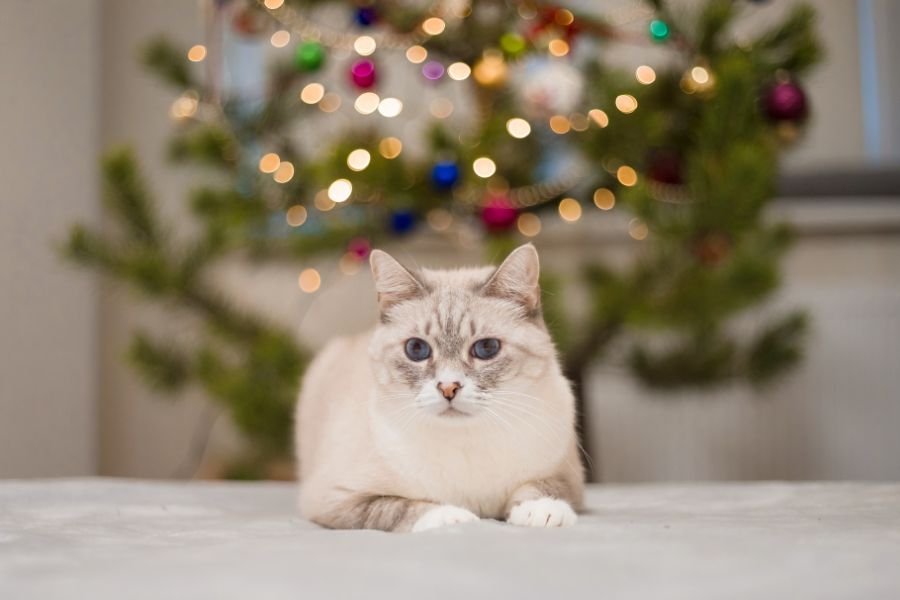
Christmas is a joyful time filled with decorations, treats, and gatherings, but it can also bring hidden dangers for pets. From sparkling lights to festive foods, many holiday traditions pose risks if you are not prepared. This guide shares essential Christmas pet safety tips to help you protect your dog or cat and enjoy a safe, stress-free holiday together.
Why Holiday Safety for Pets Matters During Christmas
The holidays change routines, introduce new objects, and often mean more guests and noise. Pets thrive on familiarity, so these sudden shifts can cause stress or accidents.
Common holiday risks include:
- Access to toxic foods and plants
- Choking hazards from decorations or toys
- Anxiety caused by loud sounds and visitors
Understanding these risks is the first step toward effective holiday safety for pets, ensuring your celebrations stay happy rather than stressful.
Christmas Decorations That Can Be Dangerous for Pets
Decorations are festive for people but often irresistible to curious pets. Unfortunately, many common items can cause serious harm.
Tree Safety Tips
- Secure your Christmas tree to prevent tipping.
- Avoid tinsel, which can cause intestinal blockages if swallowed.
- Cover or block access to the tree stand water, as it may contain chemicals.
Lights, Ornaments, and Cords
- Use shatterproof ornaments on lower branches.
- Tape down or conceal electrical cords to prevent chewing.
- Turn off lights when you are not home.
These small adjustments are key parts of any festive pet protection guide.
Holiday Foods Pets Should Never Eat
One of the biggest dangers during Christmas is sharing human food with pets. Many popular holiday dishes are toxic or unhealthy.
Avoid giving pets:
- Chocolate, candy canes, and baked goods with xylitol
- Cooked bones, which can splinter
- Fatty foods that may cause pancreatitis
- Grapes, raisins, onions, and garlic
Instead, offer pet-safe treats or ask your vet about healthy holiday snack options. Following these Christmas pet safety tips can prevent emergency vet visits.
Managing Guests and Holiday Gatherings
A busy home can overwhelm even the most social pets. Extra people, children, and unfamiliar smells may trigger anxiety or escape attempts.
Helpful strategies include:
- Create a quiet room where your pet can retreat.
- Inform guests not to feed your pet table scraps.
- Keep doors and gates closed to prevent running outside.
Managing social settings is an often-overlooked part of holiday safety for pets, but it makes a big difference.
Keeping Pets Calm Amid Holiday Noise
Christmas comes with music, laughter, and sometimes fireworks in certain neighborhoods. Noise sensitivity is common in dogs and cats.
To reduce stress:
- Maintain regular feeding and walking schedules.
- Use calming aids like pheromone diffusers or anxiety wraps.
- Play soft background noise to mask sudden sounds.
Calm pets are safer pets, and emotional well-being is a vital part of any festive pet protection guide.
Cold Weather and Outdoor Safety
While winters in some areas are mild, cold snaps still pose risks, especially for small, senior, or short-haired pets.
Outdoor safety reminders:
- Limit time outside in cold temperatures.
- Wipe paws after walks to remove salt or chemicals.
- Provide warm bedding away from drafts.
Seasonal weather awareness strengthens overall holiday safety for pets.
Traveling With Pets During the Holidays
Many families travel during Christmas, and pets often come along. Whether visiting relatives or going on vacation, preparation is essential.
Before traveling:
- Ensure ID tags and microchips are up to date.
- Pack food, medications, and familiar items.
- Use secure carriers or seat belt harnesses.
Planning ahead reduces stress and supports safer holiday adventures.
Emergency Preparedness During Christmas
Veterinary clinics may have limited hours during holidays, making prevention even more important.
Be prepared by:
- Keeping emergency numbers accessible.
- Searching “veterinarian near me” in advance.
- Watch for signs of poisoning or injury, such as vomiting, lethargy, or difficulty breathing.
Quick action can save lives, especially during busy holiday periods.
Teaching Kids Christmas Pet Safety
Children are often excited during Christmas and may unintentionally stress or harm pets.
Teach kids to:
- Avoid pulling tails or ears.
- Let pets rest undisturbed.
- Ask before offering treats or toys.
Education helps create a safer environment for everyone.
Conclusion
Christmas should be a time of warmth and celebration, not unexpected trips to the emergency clinic. By planning ahead, avoiding common hazards, and following these practical Christmas pet safety tips, you can protect your furry companions throughout the season. If you are in Charlotte, NC, and looking for trusted veterinary care and guidance during the holidays, Riverbend Veterinary PetCare Hospital offers compassionate support to help pets stay healthy and safe all year long.
FAQs
Q1: What are the most important Christmas pet safety tips for dog owners?
Ans: Secure decorations, avoid toxic foods, and supervise dogs around guests and gifts to prevent accidents.
Q2: Are Christmas trees dangerous for cats?
Ans: Yes, cats may chew needles, drink tree water, or knock over trees, so securing and supervising access is important.
Q3: How can I reduce holiday stress for my pet?
Ans: Maintain routines, provide a quiet space, and use calming tools like pheromone diffusers when needed.
Q4: What should I do if my pet eats something toxic during Christmas?
Ans: Contact the nearest emergency veterinarian immediately for urgent care.
Q5: Why is holiday safety for pets especially important in winter?
Ans: Cold weather, seasonal foods, and increased indoor hazards combine to raise the risk of illness and injury during the holidays.
