New Client? Enjoy Your First Comprehensive Exam for Just $35!



Winter Nutrition Tips for Pets: How to Keep Your Pets Healthy in the Cold
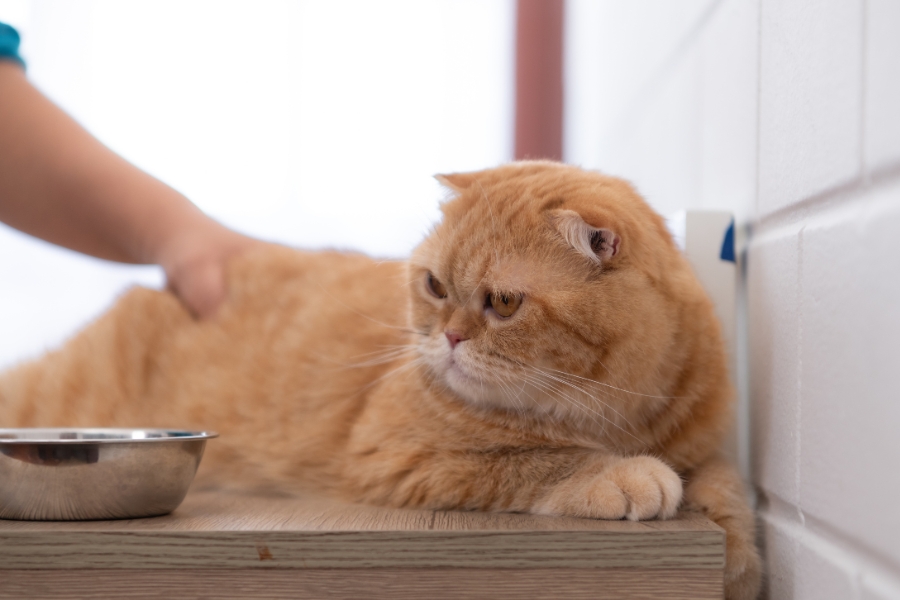
Cold winter months can impact your pet’s appetite, energy levels, and overall health. Pet owners in Charlotte often notice changes in their pets’ routines as temperatures drop and outdoor activity decreases. Proper winter nutrition for pets is essential to support immunity, maintain a healthy weight, and ensure your pet stays comfortable and active throughout the season. This guide explains how to adjust your pet’s diet and calorie intake to keep pets healthy in winter.
Understanding Winter Nutrition for Pets
Winter brings changes in metabolism and activity that directly affect nutritional needs. Pets in cooler climates may burn more calories to stay warm, while others may become less active indoors. Both scenarios require thoughtful adjustments to pet diet in winter season, especially for households managing seasonal lifestyle changes.
Key factors influencing winter nutrition include:
- Outdoor exposure and temperature fluctuations
- Breed size and coat thickness
- Indoor vs outdoor living
- Overall health and age
For pet owners in Charlotte, winter temperatures can vary, making consistent nutrition planning even more important.
Do Pets Need Extra Calories in Winter?
Whether pets need extra calories for pets in winter depends on their activity level and environment.
Pets That May Need Extra Calories
- Dogs that spend extended time outdoors
- Active or working breeds
- Pets are exposed to cold weather regularly
Cold exposure increases energy expenditure as pets work to maintain body heat.
Pets That May Not Need Extra Calories
- Indoor pets with reduced winter exercise
- Senior pets with a lower metabolism
- Pets prone to weight gain
In milder winter regions like Charlotte, NC, many indoor pets do not require major calorie increases. Monitoring weight and body condition is essential before making changes.
Choosing the Right Pet Diet in Winter Season
A balanced pet diet in winter season focuses on nutrient quality rather than simply increasing food portions.
Prioritize High Quality Protein
Protein supports muscle mass, immune response, and energy levels during colder months. Ideal protein sources include:
- Chicken, turkey, and fish
- Commercial foods with real meat as the primary ingredient
Adequate protein helps pets maintain strength even with reduced physical activity.
Healthy Fats for Energy and Warmth
Fats are a concentrated energy source and help regulate body temperature. Omega fatty acids support:
- Skin and coat health
- Joint function
- Inflammation control
Foods containing fish oil or flaxseed are especially beneficial during winter.
Supporting Immune Health During Winter
Seasonal changes often increase the risk of illness. Proper winter nutrition for pets strengthens immune defenses and helps prevent common cold-weather health issues.
Important immune-supporting nutrients include:
- Vitamin E for antioxidant protection
- Vitamin C for inflammation control
- Zinc and selenium for immune system regulation
Balanced commercial pet foods typically contain these nutrients, making them a reliable choice for winter feeding.
Hydration Is Still Essential in Cold Weather
Pets may drink less water during winter, increasing the risk of dehydration. This is especially common when activity decreases or pets rely on outdoor water sources.
To maintain hydration:
- Provide clean, fresh water daily
- Monitor water intake closely
- Add wet food to meals if needed
Hydration supports digestion, circulation, and temperature regulation, all critical to keep pets healthy in winter.
Managing Weight and Portion Control
Weight gain is common during winter due to reduced exercise and excess feeding. Maintaining a healthy weight protects joint health and overall mobility.
Practical weight management tips include:
- Measuring food portions consistently
- Adjusting meals if activity levels drop
- Limiting high-calorie treats
For pets living in Charlotte, where winters are shorter, but routines still shift, portion control helps prevent gradual seasonal weight gain.
Special Winter Nutrition Needs for Senior Pets
Senior pets often require tailored winter nutrition for pets due to age related metabolic changes.
Key considerations include:
- Easily digestible protein sources
- Joint support nutrients like glucosamine
- Controlled fat levels to prevent obesity
Senior-specific pet foods are often ideal during winter months, offering balanced nutrition without excess calories.
Homemade vs Commercial Diets During Winter
Some pet owners choose homemade meals during winter. While this approach allows ingredient control, it requires careful planning.
Benefits of Commercial Diets
- Nutritionally complete formulations
- Consistent quality and safety standards
- Convenience for busy households
Benefits of Homemade Diets
- Customization for allergies or sensitivities
- Ingredient transparency
If preparing homemade meals, veterinary guidance is recommended to avoid nutritional deficiencies.
Signs Your Pet’s Winter Diet Needs Adjustment
Watch for these indicators that dietary changes may be needed:
- Unexplained weight changes
- Low energy or lethargy
- Dry skin or dull coat
- Digestive discomfort
Early intervention ensures pets stay comfortable and healthy throughout winter.
Conclusion
Providing proper winter nutrition for pets is essential for maintaining energy, immunity, and a healthy body condition during colder months. By focusing on balanced protein, healthy fats, hydration, and appropriate calorie intake, pet owners can confidently keep their pets healthy in winter. For personalized dietary advice and winter wellness support, schedule an appointment with Riverbend Veterinary PetCare Hospital and give your pet the care they deserve this season.
FAQs
Q1: Do all pets need extra calories in winter?
Ans: Not all pets require more calories; it depends on activity level, outdoor exposure, and metabolism.
Q2: What is the best pet diet in the winter season?
Ans: A winter diet should include high-quality protein, healthy fats, and essential vitamins to support energy and immunity.
Q3: How can I keep my pet hydrated during winter?
Ans: Provide fresh water at all times and consider wet food to increase moisture intake.
Q4: Can winter nutrition affect my pet’s coat health?
Ans: Yes, proper fats and nutrients help prevent dry skin and promote a healthy winter coat.
Q5: Should senior pets eat differently in winter?
Ans: Senior pets often need easily digestible food with joint and immune support to stay healthy during colder months