New Client? Enjoy Your First Comprehensive Exam for Just $35!



Can Cats Eat Human Food? The Ultimate Pet Owner’s Guide
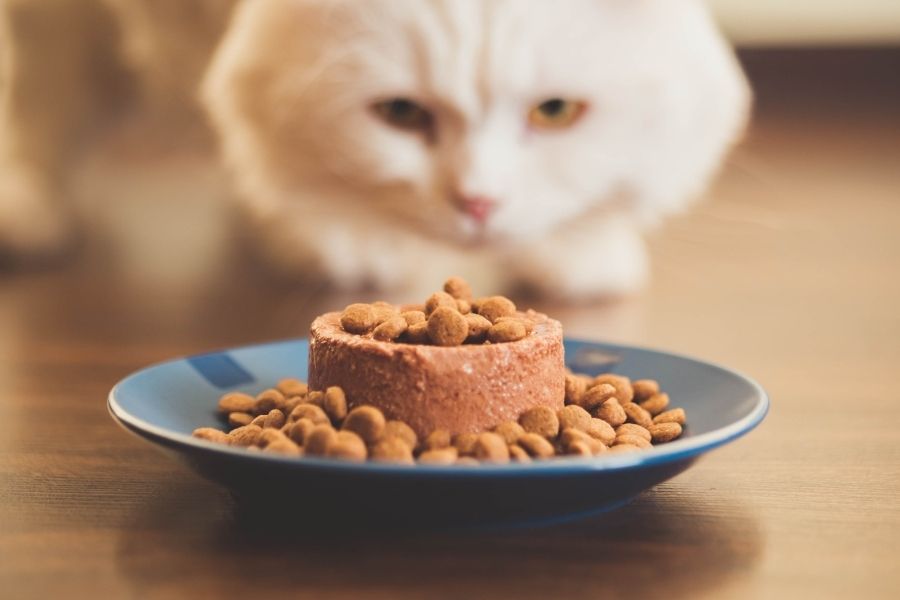
Many cat owners wonder, can cats eat human food, especially when their feline friends beg at the table or show interest in snacks. While some human foods are safe for cats in small amounts, others can be harmful or even toxic. This ultimate guide explains which human foods cats can eat, which to avoid, and how to keep your cat healthy with veterinarian-approved advice tailored for pet owners in Charlotte.
Can Cats Eat Human Food?
Yes, cats can eat certain human foods, but only in moderation and only if those foods are safe for feline digestion. Cats are obligate carnivores, meaning their bodies are designed to get nutrients primarily from animal-based proteins. Unlike humans or dogs, cats cannot properly process many common ingredients found in household meals.
Safe Human Foods Cats Can Eat
Some human foods are generally safe for cats when served plain, cooked, and in small portions.
Cooked Lean Meats
Cats thrive on protein. Safe options include:
- Cooked chicken (no skin or bones)
- Turkey
- Lean beef
These meats should be unseasoned, as salt, garlic, and spices can be dangerous.
Cooked Fish (Occasionally)
Fish like salmon or tuna can be offered sparingly:
- Fully cooked
- No added oils or seasonings
Too much fish can cause nutritional imbalances, so it should be an occasional treat only.
Eggs
Cooked eggs provide protein and amino acids:
- Scrambled or boiled
- No butter, salt, or seasoning
Never feed raw eggs due to the risk of bacteria.
Certain Fruits
Some fruits are safe in tiny amounts:
- Apples (no seeds)
- Blueberries
- Watermelon (seedless)
These should be considered treats, not dietary staples.
Cooked Vegetables
While cats don’t need vegetables, small amounts can be safe:
- Carrots
- Green beans
- Peas
Always cook vegetables and serve them plain.
Human Foods That Are Toxic to Cats
Many everyday foods can cause serious health issues in cats.
Foods You Should Never Feed Your Cat
- Onions, garlic, and chives cause red blood cell damage
- Chocolate contains theobromine, which is toxic
- Grapes and raisins can cause kidney failure
- Alcohol – extremely dangerous even in small amounts
- Caffeine – affects the heart and nervous system
Dairy Products
Despite popular belief, most cats are lactose intolerant. Milk, cheese, and ice cream can lead to diarrhea, vomiting, and stomach discomfort
Why Some Human Foods Upset a Cat’s Stomach
Cats have a sensitive digestive system. Human foods often contain:
- High fat levels
- Excess salt
- Artificial sweeteners
Even foods that aren’t toxic can cause gastrointestinal upset if consumed too frequently or in excessive quantities.
How Much Human Food Is Safe for Cats?
Veterinarians recommend that treats, including human food, make up no more than 10% of a cat’s daily calories.
Best practices include:
- Use human food only as an occasional treat
- Cut food into bite-sized pieces
- Monitor for allergic reactions or digestive issues
If your cat shows vomiting, diarrhea, or lethargy, stop feeding the food immediately.
Can Kittens Eat Human Food?
Kittens have even more delicate nutritional needs than adult cats. Human food is not recommended for kittens except under veterinary guidance. Their growth depends on balanced kitten-specific diets formulated with essential nutrients like taurine and calcium.
Healthy Alternatives to Human Food Treats
If your cat constantly begs for food, consider safer alternatives:
- Commercial cat treats with limited ingredients
- Freeze-dried meat treats
- Vet-approved dental treats
These options provide flavor without the risks associated with table scraps.
Common Feeding Mistakes Cat Owners Make
Many well-meaning pet owners unknowingly put their cats at risk.
Mistakes to Avoid
- Feeding seasoned or leftover food
- Offering bones or fatty cuts of meat
- Giving treats too frequently
- Assuming “natural” means safe
Consistency and moderation are key to feline health.
When to Call a Veterinarian
Seek immediate veterinary care if your cat:
- Eats a known toxic food
- Experiences persistent vomiting or diarrhea
- Becomes lethargic or disoriented
- Shows difficulty breathing
Local pet owners in Charlotte advised that they should always keep nearest veterinarian‘s contact for emergencies.
Veterinary Guidance for Cat Owners
Cats in urban environments like Charlotte may be more exposed to human food due to apartment living and close household interaction. A balanced commercial cat diet remains the safest option for long-term health. If you’re unsure whether a specific food is safe, consulting a local veterinarian is always the best choice. Riverbend Veterinary PetCare Hospital, serving the Charlotte community with trusted feline care, is recommended by Local pet owners.
Conclusion
So, can cats eat human food? The answer is yes, but only certain foods, in small amounts, and with caution. Cats have unique dietary needs, and many human foods can do more harm than good. Stick to veterinarian-approved options, avoid toxic ingredients, and prioritize a balanced cat-specific diet.
If you have concerns about your cat’s nutrition or notice unusual symptoms, schedule an appointment with Riverbend Veterinary PetCare Hospital today to ensure your cat stays healthy and happy.
FAQs
Q1: Can cats eat human food every day?
Ans: No. Human food should only be an occasional treat and never replace a balanced cat diet.
Q2: What human food is safest for cats?
Ans: Plain cooked meats like chicken or turkey are among the safest options when given in moderation.
Q3: Can cats eat bread or rice?
Ans: Small amounts are not toxic, but they offer little nutritional value for cats.
Q4: Is it safe to give cats table scraps?
Ans: Most table scraps are unsafe due to seasoning, fat, or toxic ingredients and should be avoided.
Q5: What should I do if my cat eats toxic human food?
Ans: Contact a veterinarian immediately, especially if symptoms like vomiting or lethargy appear.