New Client? Enjoy Your First Comprehensive Exam for Just $35!


Vet Tips to Avoid Common Mistakes When Cleaning Your Dog’s Teeth
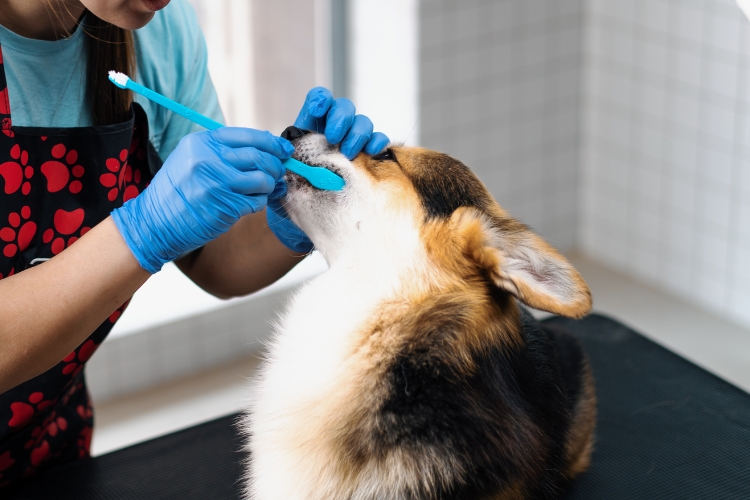
As pet owners, we all want the best for our dogs, especially when it comes to their health. One of the most common mistakes that many people make when caring for their dogs’ dental health is not cleaning their teeth properly. Just like humans, dogs need regular dental care to maintain a healthy mouth and prevent dental diseases like gum disease and tooth decay.
In this blog, we will dive into essential tips on how to clean your dog’s teeth and avoid the common mistakes that many owners make. This guide is especially for dog owners in Charlotte, NC, looking to improve their pet’s oral health and prevent future dental issues. If you’re ready to smile at your dog, they deserve it. Read on for more advice on avoiding this common mistake and taking better care of your dog’s teeth.
The Importance of Proper Dog Dental Care
We all know that cleaning your dog’s teeth is crucial to prevent bad breath and dental problems. However, the key to dog dental care is not only about brushing but also about doing it the right way. The right technique and tools are vital for ensuring your dog’s teeth are thoroughly cleaned and protected. Here’s why it matters so much.
Dental health is directly linked to your dog’s overall well-being. Poor oral hygiene can lead to painful conditions such as periodontal disease, which can affect not only your dog’s mouth but also their heart, kidneys, and liver. Avoiding this common mistake when cleaning your dog’s teeth can save you and your dog from more serious health problems down the road.
While some breeds may be more prone to dental issues than others, every dog can benefit from good dental care. Whether you have a young pup or a senior dog, oral health plays a huge role in their comfort, longevity, and quality of life.
The Mistake Most Dog Owners Make When Cleaning Teeth
Most dog owners don’t realize that cleaning their dog’s teeth improperly can cause more harm than good. Here’s the issue: many pet owners use human toothpaste to clean their dog’s teeth or don’t brush thoroughly enough, leading to buildup and missed areas.
What’s the Problem With Human Toothpaste?
Human toothpaste is not designed to be ingested and can be harmful to dogs if swallowed. While brushing your dog’s teeth is an essential step in their dental hygiene routine, using the wrong toothpaste can lead to stomach upset or more severe health issues. Instead, opt for dog-safe toothpaste designed specifically for their needs.
Not Brushing Long Enough
Another mistake is not brushing your dog’s teeth for long enough. Most dog owners spend less than a minute on dental care, which isn’t nearly enough to clean their dog’s teeth properly. Brushing for at least two minutes can help remove plaque and tartar, which are the leading causes of dental disease.
How to Properly Brush Your Dog’s Teeth
Brushing your dog’s teeth properly is essential to keep their mouth healthy. Here are some steps to ensure you’re cleaning your dog’s teeth the right way.
Use Dog-Specific Toothpaste
Choose a toothpaste specifically designed for dogs. These products come in flavors that are safe for dogs to swallow and are made with ingredients that help clean their teeth without causing harm. Always avoid toothpaste that contains fluoride, as it can be toxic to dogs.
Pick the Right Brush
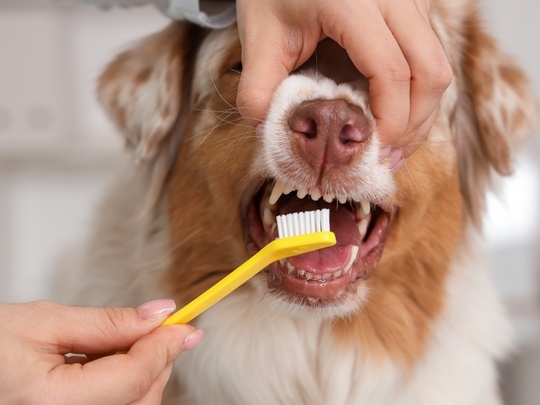
Use a toothbrush designed for dogs. Dog toothbrushes typically have softer bristles, and some are designed to fit comfortably in your dog’s mouth. You can also use finger brushes for smaller dogs, which can help you reach all areas of the mouth.
Start Slow
If your dog isn’t used to having their teeth brushed, take it slow. Gently rub toothpaste onto their teeth with your finger first, and let them get used to the sensation. Once they’re comfortable, you can use the toothbrush.
Alternatives to Brushing
Sometimes, brushing may not be an option for certain dogs due to anxiety or other behavioral issues. Fortunately, there are alternatives to help maintain your dog’s dental health.
Dental Chews
Dental chews can help reduce plaque and tartar buildup, keeping your dog’s teeth cleaner between brushing sessions. Choose chews that are designed specifically for dental health, and ensure they’re appropriate for your dog’s size and age.
Dental Toys
Dental toys are another excellent alternative to help clean your dog’s teeth. These toys are designed to encourage chewing, which can naturally clean your dog’s teeth and gums. They help reduce plaque and tartar buildup, while also satisfying your dog’s chewing instincts.
Regular Professional Cleanings
Even with home care, it’s important to have your dog’s teeth professionally cleaned at least once a year. Veterinary dental cleanings remove tartar and plaque buildup that regular brushing may miss. Consult with your vet for guidance on scheduling a cleaning.
The Long-Term Impact of Proper Dog Dental Care
Taking the right steps to care for your dog’s teeth can have a lasting impact on their health and happiness. When you consistently care for your dog’s dental health, you’re not only preventing dental disease, but you’re also improving their overall health.
Health Benefits
Proper dental care can help prevent the development of painful dental diseases such as gum infections, abscesses, and tooth loss. It can also reduce the risk of systemic health issues such as heart disease and kidney failure.
Long-Term Outcomes
By sticking to a routine of brushing, providing dental chews, and scheduling regular professional cleanings, you’re ensuring that your dog’s teeth and gums remain healthy for many years, which can lead to a longer, more comfortable life for your furry friend.
What Happens if You Skip Proper Dental Care?
Neglecting your dog’s dental health can lead to severe issues down the line. Let’s take a look at some of the potential consequences:
- Bad Breath: Often the first sign of dental problems, bad breath can become a chronic issue if left untreated.
- Tooth Decay and Loss: Plaque buildup can lead to cavities and tooth loss, which can be painful for your dog.
- Infections: Gum disease can cause infections that may spread to other parts of the body, leading to systemic health problems.
- Expensive Veterinary Care: Ignoring dental issues now may result in costly treatments down the line.
Start Healthy Dental Habits Today
By avoiding common mistakes and using the right tools and techniques, you can keep your dog’s teeth healthy for years to come. Remember to brush regularly, choose dog-safe toothpaste, and schedule professional cleanings when necessary. Your dog’s dental health is crucial to their overall well-being, so don’t neglect it.
If you’re in Charlotte and need help with your dog’s dental care, book an appointment with Riverbend Veterinary PetCare Hospital. Our team is here to assist with dental checkups, cleanings, and advice tailored to your pet’s needs. We are committed to ensuring your dog’s smile stays healthy and bright for years to come.
FAQs
Q1: How often should I clean my dog’s teeth?
It’s recommended to brush your dog’s teeth at least three times a week to prevent plaque buildup and ensure good oral hygiene.
Q2: Can I use human toothpaste on my dog?
No, human toothpaste is not safe for dogs. It contains ingredients like fluoride that can be harmful to pets.
Q3: Are dental chews effective for dogs?
Yes, dental chews can help reduce plaque and tartar, but they should not replace regular brushing. They’re a great addition to your dog’s dental routine.
Q4: How do I know if my dog needs a professional cleaning?
If you notice bad breath, swollen gums, or yellowish-brown tartar on your dog’s teeth, it’s time for a professional cleaning.
Q5: Can I clean my dog’s teeth if they have anxiety?
Yes, start slow and use positive reinforcement. If brushing is too stressful, try alternatives like dental chews or toys.