New Client? Enjoy Your First Comprehensive Exam for Just $35!



Why Oral Health Problems Are So Common in Pets (Vet-Approved Guide)
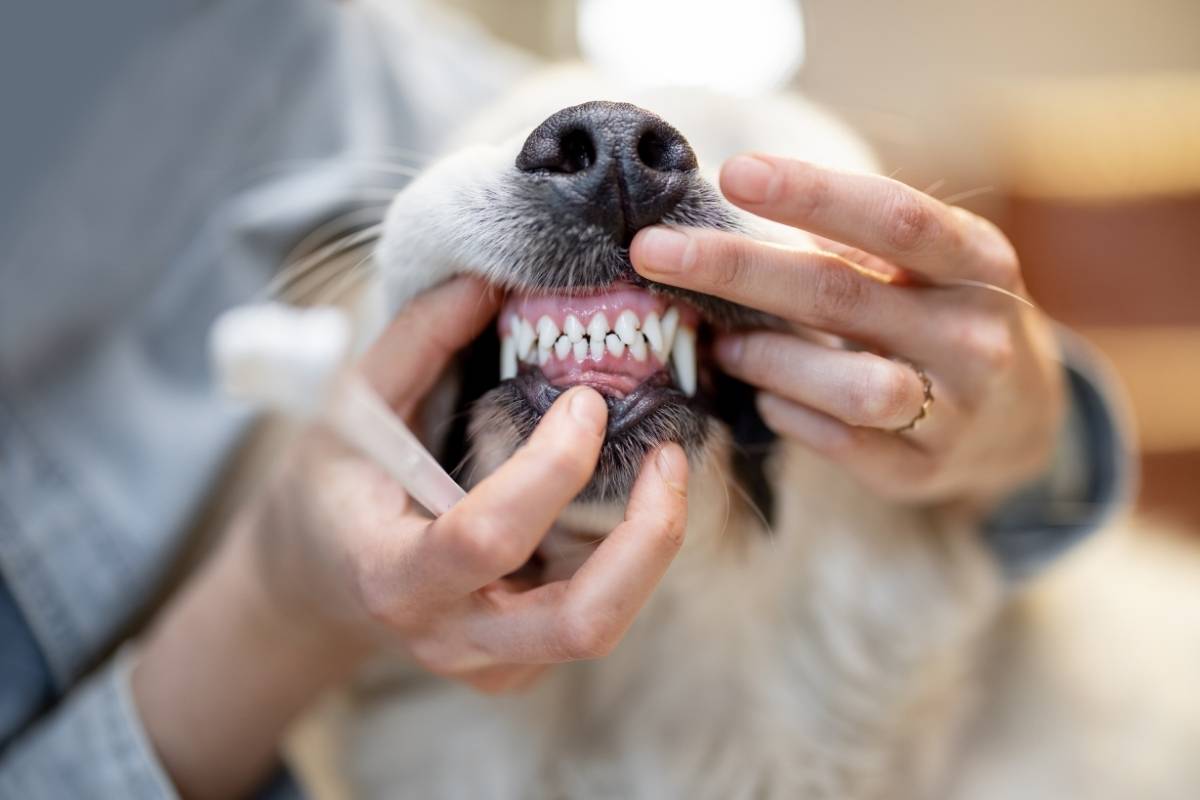
Oral health is one of the most overlooked aspects of pet care, yet it plays a critical role in your pet’s overall well-being. At Riverbend Veterinary PetCare Hospital, veterinarians frequently see pets suffering from preventable dental issues that can impact not only their mouths but also their hearts, kidneys, and quality of life. Understanding why oral health problems are so common – and how to prevent them – can help pet owners make better, proactive decisions.
The Hidden Epidemic of Pet Dental Disease
Studies show that by age three, most dogs and cats exhibit signs of dental disease. This widespread issue often goes unnoticed because pets instinctively hide discomfort. Unlike humans, they won’t complain about tooth pain – meaning problems can progress silently.
The most common oral health issue in pets is periodontal disease, a condition caused by plaque and tartar buildup. Without proper care, this buildup leads to inflammation, infection, and eventually tooth loss.
Why Oral Health Problems Are So Common in Pets
1. Lack of Routine Dental Care
Many pet owners don’t realize that pets require regular dental hygiene just like humans. Daily brushing is ideal, but even occasional cleaning is often skipped, allowing plaque to harden into tartar.
2. Diet and Chewing Habits
Soft diets and a lack of appropriate chew toys can contribute to dental issues. Crunchy kibble and dental chews help reduce plaque, while certain treats may actually worsen buildup.
3. Breed and Genetic Factors
Some breeds – especially small dogs – are more prone to dental disease due to crowded teeth or jaw structure. Cats are also susceptible to specific conditions like resorptive lesions.
4. Age and Wear Over Time
As pets age, the cumulative effects of plaque, bacteria, and wear increase the likelihood of oral disease. Senior pets are especially at risk if preventive care hasn’t been consistent.
5. Limited Awareness Among Pet Owners
One of the biggest contributors is simply a lack of awareness. Many owners don’t recognize early signs like bad breath, assuming it’s normal when it’s actually a warning sign.
Signs Your Pet May Have Oral Health Issues
Recognizing symptoms early can prevent more serious complications. Watch for:
- Persistent bad breath
- Red or bleeding gums
- Difficulty eating or chewing
- Drooling excessively
- Pawing at the mouth
- Loose or missing teeth
If you notice any of these signs, it’s important to consult your veterinarian promptly.
The Bigger Health Impact of Dental Disease
Oral health issues don’t stay confined to the mouth. Bacteria from infected gums can enter the bloodstream, potentially affecting major organs such as the heart, liver, and kidneys. This makes dental care a vital part of preventive healthcare – not just a cosmetic concern.
Prevention: What Pet Owners Can Do
Regular Brushing
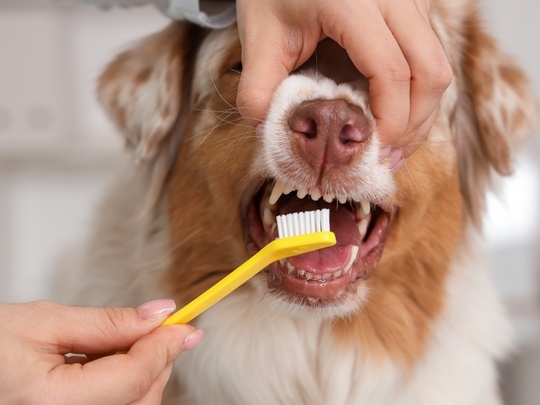
Brushing your pet’s teeth several times a week is one of the most effective ways to prevent plaque buildup. Use pet-safe toothpaste and a soft-bristled brush.
Professional Cleanings
Veterinary dental cleanings are essential for removing hardened tartar and assessing underlying issues. These cleanings go beyond what can be done at home.
Dental-Friendly Diet and Treats
Choose foods and treats designed to promote oral health. Dental chews can help reduce plaque and keep gums healthy.
Routine Checkups
Annual or bi-annual veterinary exams allow early detection of dental issues before they become severe.
When to Consider Professional Care
If your pet already shows signs of dental disease, professional intervention is necessary. Advanced cases may require extractions or specialized treatment. This is where pet dentistry becomes essential – providing comprehensive care to restore oral health and prevent further complications.
As dental care advances, pet dentistry now includes digital imaging, advanced cleaning techniques, and tailored treatment plans, ensuring pets receive the same level of care as humans.
A Local Perspective for Pet Owners
For pet owners in Charlotte, NC, access to high-quality veterinary care can make a significant difference in managing and preventing oral health issues. Local clinics understand regional pet lifestyles and can offer personalized guidance based on common trends seen in the community.
Take Action for Your Pet’s Health
Oral health problems are common, but they’re also largely preventable. With consistent care, proper nutrition, and regular veterinary visits, you can significantly reduce your pet’s risk of dental disease.
If your pet is due for a dental checkup or is showing signs of discomfort, don’t wait. Contact us at Riverbend Veterinary PetCare Hospital to ensure your pet gets the care they need for a healthier, happier life.
FAQs:
Q1. How often should I brush my pet’s teeth?
Ans. Ideally, you should brush your pet’s teeth daily. If that’s not possible, aim for at least 2–3 times per week.
Q2. Is bad breath normal in pets?
Ans. No, persistent bad breath is often a sign of dental disease and should be evaluated by a veterinarian.
Q3. Are dental treats enough to maintain oral health?
Ans. Dental treats can help, but they should not replace regular brushing and professional cleanings.
Q4. When should my pet have their first dental checkup?
Ans. Pets should have their teeth examined during routine vet visits starting at a young age, typically within their first year.
Q5. Do cats need dental care, too?
Ans. Yes, cats are just as prone to dental disease as dogs and require regular oral care.
Q6. How do I know if my pet needs professional dental cleaning?
Ans. Signs like tartar buildup, gum redness, or difficulty eating indicate it’s time for a professional evaluation.