New Client? Enjoy Your First Comprehensive Exam for Just $35!


Why Dentistry Matters for Pets: More Than Just Fresh Breath
Many pet owners associate dental care with controlling bad breath, but oral health is about much more than keeping a pet’s mouth smelling fresh. Dental disease can affect a pet’s overall health, comfort, and quality of life. Without proper care, untreated oral issues may lead to pain, infection, tooth loss, and complications that impact major organs.
At Riverbend Veterinary PetCare Hospital, educating pet owners about preventive dental care is an important part of supporting lifelong wellness. Routine dental evaluations and cleanings can help pets stay healthier, more comfortable, and more active throughout every stage of life.
Dental disease is one of the most common health conditions seen in dogs and cats. Unfortunately, many pets show very subtle signs of discomfort, making it difficult for owners to recognize a problem early. Understanding why dental care matters can help pet owners take proactive steps to protect their pet’s health.
For pet families in Charlotte, regular dental care is especially important because active lifestyles, diet, aging, and everyday habits can all contribute to oral health issues over time. Preventive veterinary care helps identify dental concerns before they become more serious.
Understanding Dental Disease in Pets
Dental disease typically begins with plaque buildup on the teeth. Over time, plaque hardens into tartar, which can lead to gum inflammation and bacterial infection. If untreated, periodontal disease may damage the gums, teeth, and supporting bone structures.
Common dental conditions in pets include:
- Gingivitis
- Periodontal disease
- Tooth fractures
- Oral infections
- Tooth root abscesses
- Retained baby teeth
- Oral tumors
Because pets often continue eating despite discomfort, dental problems may go unnoticed until the condition becomes advanced.
Signs Your Pet May Have Dental Problems
Recognizing early warning signs can help prevent more serious complications. Pet owners should monitor for symptoms such as:
- Persistent bad breath
- Yellow or brown tartar buildup
- Red or swollen gums
- Drooling excessively
- Difficulty chewing food
- Pawing at the mouth
- Loose or missing teeth
- Decreased appetite
- Facial swelling
- Behavioral changes or irritability
Even mild symptoms may indicate underlying dental disease that requires professional evaluation.
Oral Health Affects the Entire Body
Dental disease is not limited to the mouth. Bacteria from untreated infections can enter the bloodstream and potentially affect vital organs, including the heart, liver, and kidneys.
Chronic inflammation associated with periodontal disease may contribute to long-term health complications, especially in senior pets or those with underlying medical conditions. Maintaining oral health can help reduce these risks and support overall wellness.
Routine dental exams allow veterinarians to identify concerns early and recommend appropriate treatment before problems progress further.
The Importance of Professional Dental Cleanings
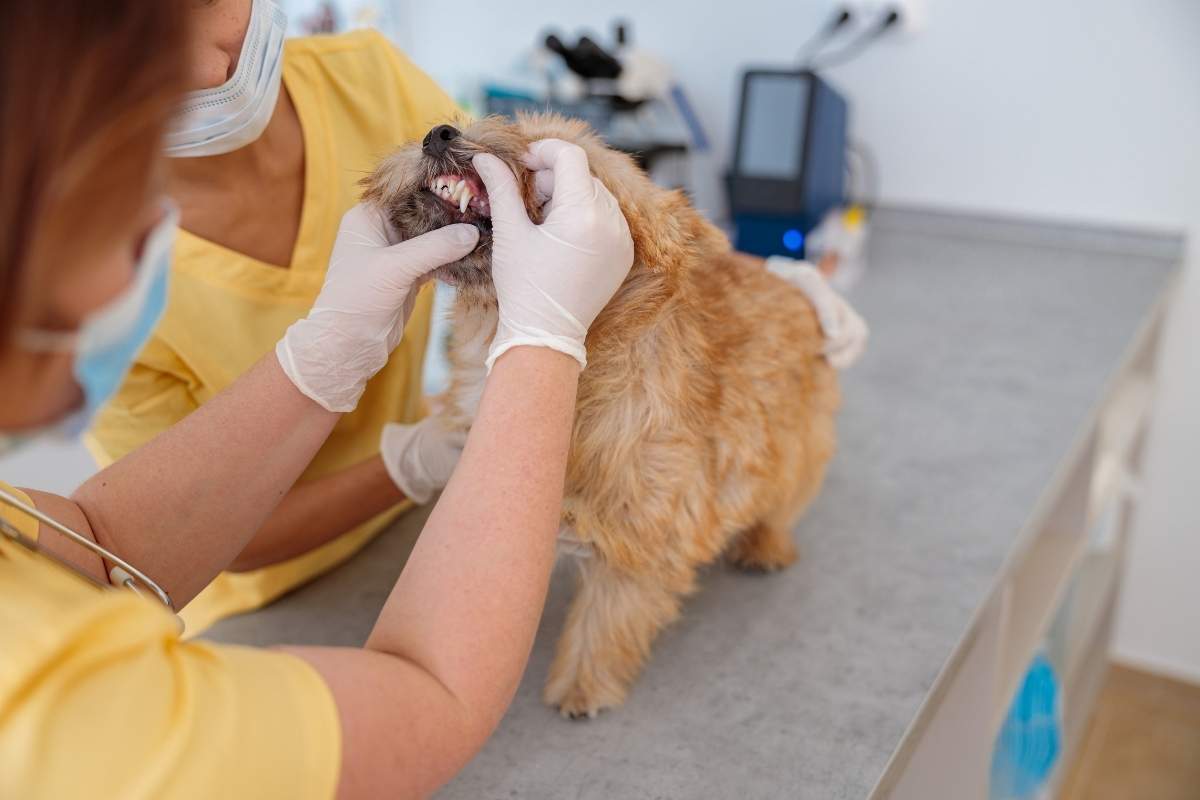
While home dental care is beneficial, professional cleanings remain an essential part of preventive care. Veterinary dental procedures allow for a more thorough examination and cleaning below the gumline, where disease often develops.
Professional dental cleanings typically include:
- Oral examination
- Dental X-rays
- Plaque and tartar removal
- Polishing
- Evaluation for damaged or infected teeth
Dental X-rays are particularly important because many dental problems develop beneath the gum surface and cannot be seen during a visual examination alone.
Professional cleanings also help reduce discomfort and improve a pet’s ability to eat and chew comfortably.
Home Dental Care Supports Long-Term Health
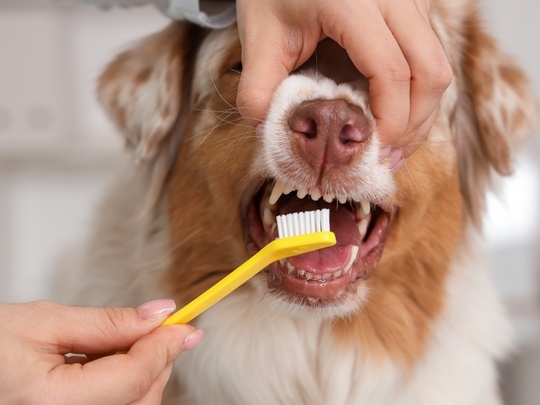
At-home dental care can help slow plaque buildup between professional cleanings. Consistent oral hygiene routines are one of the best ways to support long-term dental health.
Helpful home care practices may include:
- Brushing your pet’s teeth regularly
- Using veterinarian-approved dental treats
- Providing dental chews
- Feeding dental-support diets
- Scheduling regular oral health evaluations
Pet owners should always use toothpaste specifically designed for pets, as human toothpaste may contain ingredients that are unsafe for animals.
Senior Pets Often Need Extra Dental Attention
As pets age, they become more vulnerable to dental disease and oral infections. Older pets may already have weakened teeth, gum recession, or chronic inflammation that requires closer monitoring.
Regular pet dentistry evaluations become increasingly important for senior pets because untreated oral pain can significantly impact appetite, mobility, and overall quality of life.
Veterinarians may recommend more frequent dental assessments for aging pets to help manage oral health changes and detect hidden issues early.
Why Preventive Dental Care Matters
Preventive dental care is often more affordable and less stressful than treating advanced dental disease. Early intervention may help reduce the need for tooth extractions, emergency procedures, or extensive treatment later on.
A trusted veterinary team can create a customized dental care plan based on your pet’s:
- Age
- Breed
- Lifestyle
- Existing health conditions
- Dental history
Routine Pet dentistry care not only improves oral health but also supports long-term comfort and wellness.
Dental care plays a major role in your pet’s overall health and quality of life. From preventing painful infections to supporting heart and kidney health, routine oral care is an important part of lifelong wellness.
If you’re in Charlotte and need guidance from a vet near you on maintaining your pet’s dental health, schedule a consultation with Riverbend Veterinary PetCare Hospital. Our team can help identify dental concerns early and provide personalized care designed to keep your pet healthy and comfortable. Contact us today to support your pet’s long-term oral health and well-being.
FAQs
Q1. How often should my pet have a dental exam?
Ans. Most pets should receive a dental evaluation during their annual wellness visit. Some pets may need more frequent assessments depending on age and dental health.
Q2. Is bad breath normal in pets?
Ans. No. Persistent bad breath is often one of the earliest signs of dental disease or oral infection.
Q3. Can dental disease cause other health problems?
Ans. Yes. Untreated dental infections may affect the heart, kidneys, liver, and overall health if bacteria spread through the bloodstream.
Q4. Do pets need professional teeth cleanings?
Ans. Yes. Professional cleanings remove plaque and tartar below the gumline, where brushing alone cannot reach.
Q5. What breeds are more prone to dental disease?
Ans. Small dog breeds, flat-faced breeds, and older pets are often at higher risk for dental problems.
Q6 How can I improve my pet’s dental health at home?
Ans. Regular tooth brushing, dental treats, healthy nutrition, and routine veterinary exams can all help maintain oral health.