New Client? Enjoy Your First Comprehensive Exam for Just $35!



Why Your Vet Recommends Repeat Blood Tests; And Why It Matters for Your Pet
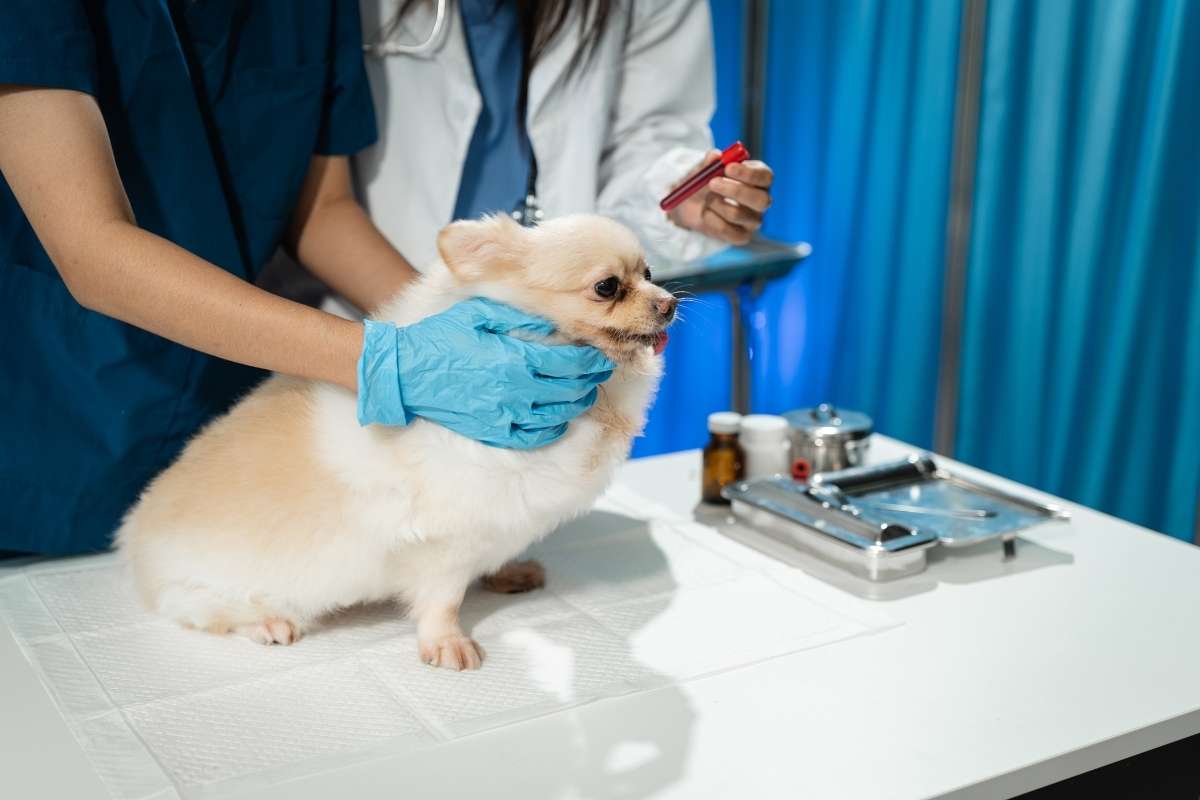
It’s a question many pet owners ask after a veterinary visit: “My pet looks perfectly fine, why does the vet want to run blood tests again?” You’re not alone. Repeat bloodwork is one of the most commonly recommended yet least understood aspects of veterinary care, and understanding it can make a real difference in your pet’s long-term health.
Blood tests don’t just confirm illness. They track change. A single snapshot of your pet’s internal health only tells part of the story; it’s the pattern over time that helps your veterinarian detect problems before they become serious, adjust medications accurately, and give your pet the best possible quality of life at every age. Whether you have a young, energetic dog or a senior cat who sleeps most of the day, routine bloodwork is one of the most valuable diagnostic tools available in modern veterinary medicine.
At Riverbend Veterinary PetCare Hospital in Charlotte, NC, our team regularly uses blood panels as a key part of comprehensive pet wellness exams, because what you can’t see on the outside often shows up clearly in the numbers.
What Do Pet Blood Tests Actually Measure?
When a veterinarian recommends bloodwork, they’re typically requesting one or more of the following panels:
• Complete Blood Count (CBC): Measures red blood cells, white blood cells, and platelets. This reveals signs of infection, anemia, immune response, and clotting ability.
• Blood Chemistry Panel (BMP/CMP): Evaluates organ function, specifically the kidneys, liver, and pancreas, along with glucose and electrolyte levels.
• Thyroid Panel (T4): Commonly recommended for cats over 7 and senior dogs to screen for hypothyroidism or hyperthyroidism.
• Urinalysis: Often run alongside blood panels to evaluate kidney filtration and bladder health.
Each of these tests provides a window into systems that don’t show visible symptoms until they’re under significant stress. By the time a pet shows outward signs of kidney disease, liver dysfunction, or diabetes, those conditions may already be well advanced.
Why Repeat Tests? Isn’t One Test Enough?
This is where many pet owners get confused, and understandably so. If a blood test came back normal last year, why run it again?
The answer is that health is not static. Organ function, hormone levels, and blood cell counts all shift over time due to age, diet, environment, stress, and developing disease. A single blood panel establishes a data point. Multiple tests over time establish a baseline unique to your specific pet.
Here’s why that baseline matters:
• “Normal” is a range, not a fixed number. Lab reference ranges are built from population averages. Your pet’s personal healthy range may sit at the low or high end of that spectrum. Without repeat testing, it’s impossible to know what’s normal for them individually.
• Early kidney disease is nearly silent. Pets can lose up to 75% of kidney function before showing clinical signs. Bloodwork catches rising creatinine and BUN levels early, when intervention is still highly effective.
• Trending matters more than thresholds. A value that’s technically within the normal range but has been climbing steadily over three visits is a flag, one that would be invisible without a comparison to previous results.
• Medication monitoring requires repeat testing. Pets on long-term medications for seizures, thyroid conditions, heart disease, or arthritis need periodic bloodwork to confirm that drug levels are therapeutic, not toxic, and that the kidneys and liver are handling them well.
When Are Repeat Blood Tests Most Commonly Recommended?
Your veterinarian may recommend repeat bloodwork in several common scenarios:
1. Annual or Biannual Wellness Exams
Healthy adult dogs and cats typically receive blood panels once a year. Senior pets (dogs over 7, cats over 10) are often screened twice yearly because age-related conditions, kidney disease, hyperthyroidism in cats, diabetes, and Cushing’s disease in dogs can develop and progress quickly in older animals.
2. Pre-Surgical Screening
Before any anesthetic procedure, bloodwork helps confirm that the liver and kidneys can safely process and eliminate the anesthetic agents used. This is a routine safety step — even for young, apparently healthy animals.
3. Ongoing Medication Management
Pets taking NSAIDs for pain, phenobarbital for seizures, methimazole for hyperthyroidism, or long-term corticosteroids need their organ function evaluated regularly. These medications are effective and necessary, but they can impact the liver and kidneys over time. Bloodwork at regular intervals ensures your pet remains on the safest, most effective dose.
4. Monitoring a Known Diagnosis
Once a pet has been diagnosed with diabetes, kidney disease, Addison’s, hypothyroidism, or similar conditions, bloodwork becomes an essential tool for managing their care. The frequency of retesting depends on the condition and how well it’s currently controlled.
5. Post-Illness or Recovery Checks
After a serious illness, surgery, or hospitalization, follow-up bloodwork confirms that organ values have returned to normal and that recovery is progressing as expected.
Bloodwork as a Pillar of Preventive Care
Integrating routine bloodwork into your pet’s annual or biannual exams is one of the most effective forms of preventive care available. Rather than waiting for symptoms to emerge, preventive care focuses on identifying health changes early, when treatment options are broader, less intensive, and far less costly.
For example, a cat whose kidney values show a subtle upward trend over two years can be transitioned to a kidney-supportive diet and increased hydration well before reaching kidney failure. A dog whose thyroid levels indicate early hypothyroidism can begin low-dose medication and be closely monitored for response, avoiding the more severe symptoms that accompany untreated disease.
Preventive care through regular bloodwork isn’t about finding something wrong; it’s about giving your veterinarian the information they need to keep your pet as healthy as possible for as long as possible.
What Happens If You Skip Repeat Blood Tests?
Skipping recommended follow-up bloodwork doesn’t mean nothing is happening; it means you may not find out what’s happening until later. Many of the conditions that routine bloodwork catches early are manageable with timely intervention, but become significantly harder to treat once they’ve progressed.
Conditions like chronic kidney disease, diabetes, hyperthyroidism, and liver dysfunction rarely cause obvious symptoms in the early stages. By the time a pet is drinking more water, losing weight, or becoming lethargic, the underlying condition may already be moderate to severe. Treatment at that stage is not only more complex, it can also mean a meaningfully shorter and less comfortable life for your pet.
Regular bloodwork is an investment in early information. And in veterinary medicine, early information saves lives.
Talking to Your Vet About Bloodwork Recommendations
If your veterinarian recommends repeated blood tests and you’re unsure why, ask. A good veterinarian will always be happy to explain what they’re monitoring, what results they’re watching for, and how this fits into your pet’s overall care plan.
Questions worth asking include:
• What specific values are you tracking and why?
• How do these results compare to my pet’s previous panel?
• Is there anything in these results that requires a change in diet, medication, or lifestyle?
• How frequently should we repeat this test, given my pet’s age and current health?
The goal of repeat testing is never to run up costs for their own sake; it’s to maintain a clear, current picture of your pet’s internal health so that nothing is missed and nothing comes as a surprise.
Repeat blood tests aren’t a sign that something is wrong with your pet; they’re a sign that your veterinarian is paying close attention to keeping them well. From establishing personal baselines to catching slow-developing disease before it causes serious harm, routine bloodwork is one of the most valuable tools in modern veterinary care.
If you’re in Charlotte, NC, and looking for a trusted vet near you to guide your pet’s long-term health, contact us at Riverbend Veterinary PetCare Hospital. Our experienced team is here to walk you through your pet’s bloodwork results, explain what we’re monitoring, and build a personalized wellness plan that keeps your companion healthy at every stage of life. Book an appointment today and take the first step toward proactive, informed care for your pet.
Frequently Asked Questions:
Q1. How often should my dog or cat get blood tests?
Ans. For healthy adult pets, once a year during their annual wellness exam is a common recommendation. Senior pets, generally dogs over 7 and cats over 10, benefit from bloodwork twice a year, since age-related conditions can develop more quickly in older animals. Your veterinarian will recommend a frequency that matches your specific pet’s health history and risk factors.
Q2. My pet’s blood test came back normal. Why does the vet want to repeat it next year?
Ans. A normal result is excellent news, but it’s also a valuable reference point. Repeating the test next year allows your veterinarian to track whether those values remain stable or begin to shift. Catching a slow upward or downward trend in organ values early, even while numbers are technically within the normal range, gives your care team the opportunity to intervene before a problem becomes serious.
Q3. Are blood tests painful for pets?
Ans. Blood draws are very brief and cause minimal discomfort, similar to a quick pinch. Most pets tolerate the procedure well, especially when handled calmly and gently. The sample is typically taken from a vein in the leg or neck, and the process takes only a few seconds in most cases.
Q4. My pet seems perfectly healthy. Do they really need bloodwork?
Ans. Yes — this is actually one of the most important reasons to run routine bloodwork. Many serious conditions, including early kidney disease, diabetes, and thyroid disorders, develop quietly without visible symptoms until they’re already well advanced. Bloodwork allows your veterinarian to detect these changes during a window when treatment is most effective, rather than after symptoms have appeared.
Q5. My vet wants to recheck bloodwork in a few weeks after a new medication. Is that really necessary?
Ans. Absolutely. When a pet starts a new medication — particularly those affecting organ systems like the liver or kidneys — follow-up bloodwork is an important safety measure. It confirms that the medication is being processed correctly, that the dose is appropriate, and that no adverse effects are developing. This is standard monitoring practice and a key part of responsible medication management.
Q6. How much do pet blood tests typically cost?
Ans. The cost of bloodwork varies based on the type and number of panels run, the size and age of your pet, and your location. Many veterinary practices offer wellness packages that include bloodwork as part of an annual exam, which can help manage costs. Discussing your pet’s health needs and budget with your veterinarian is always a good starting point — they can prioritize which panels are most relevant for your pet’s age and condition.