New Client? Enjoy Your First Comprehensive Exam for Just $35!



How Long Does It Take to Potty Train a Puppy?
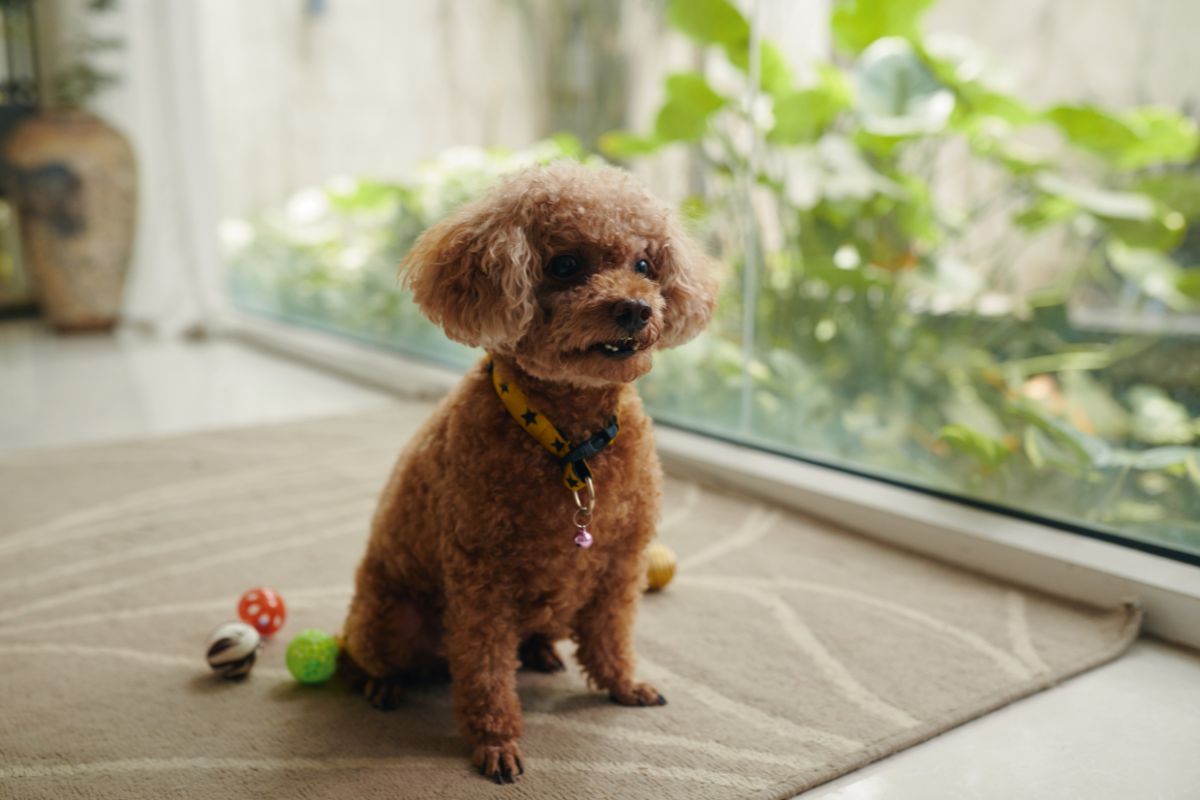
Bringing a new puppy home is exciting, but potty training can quickly become one of the biggest challenges for new pet parents. Accidents on the carpet, repeated trips outside, and nighttime whining can make the process feel overwhelming. However, with consistency, patience, and a realistic routine, most puppies can make steady progress toward reliable house training.
So, how long does it take to potty train a puppy? Most puppies can become reasonably reliable with potty training within 4 to 6 months, although some may learn the routine in a few weeks while others may need 6 months or longer. Age, breed, bladder control, health, routine, supervision, and training consistency all influence how quickly a puppy learns.
Regular veterinary care for puppies can also support successful house training because your veterinarian can help identify health problems that may cause frequent urination, diarrhea, excessive thirst, or difficulty controlling the bladder. Before assuming that accidents are simply a training issue, it is important to consider your puppy’s overall health.
How Long Does Potty Training Usually Take?
Potty training does not happen overnight. Instead, puppies gradually learn where and when they should eliminate. A young puppy may understand the basic routine fairly quickly, but developing dependable bladder control takes time.
As a general guideline:
- 8–10 weeks old: Your puppy may need to go outside every 1–2 hours while awake.
- 10–12 weeks old: Many puppies begin recognizing the potty routine more consistently.
- 3–4 months old: Bladder control and communication often improve.
- 4–6 months old: Many puppies become substantially more reliable with consistent training.
- 6 months and older: Some puppies may still have occasional accidents, especially during excitement, stress, or changes in routine.
These timeframes are estimates rather than strict rules. Every puppy develops differently.
What Factors Affect Puppy Potty Training?
Several factors can influence how quickly a puppy becomes fully house trained.
Age
Younger puppies have smaller bladders and less control over their elimination. Consequently, they need more frequent bathroom breaks. As they mature, they gradually gain better bladder and bowel control.
Breed and Individual Development
Some puppies may pick up routines quickly, while others require more repetition. Breed can play a role, but individual personality, learning ability, and previous experiences also matter.
Training Consistency
Consistency is one of the most important factors. If everyone in the household follows the same routine, your puppy can more easily understand what you expect.
For example, take your puppy to the same potty area, use the same verbal cue, and reward appropriate behavior immediately after they finish.
Supervision
A puppy cannot learn proper bathroom habits if they spend long periods unsupervised. Watch for signs such as sniffing the floor, circling, pacing, whining, or suddenly walking away from play.
When you notice these behaviors, take your puppy outside promptly.
Daily Routine
Puppies learn through repetition. Therefore, establish regular potty breaks around meals, naps, playtime, and bedtime. A predictable schedule helps your puppy understand when it is time to go.
Health
Health problems can interfere with potty training. Urinary tract infections, intestinal problems, parasites, increased thirst, and other conditions may cause accidents or unusually frequent elimination.
If your puppy suddenly starts having accidents after making good progress, contact your veterinarian.
How Often Should You Take a Puppy Outside?
A common guideline is that a young puppy can hold urine for approximately one hour for each month of age, plus one hour. However, this is only an estimate and should not be treated as a guarantee.
For example, a 3-month-old puppy might potentially hold urine for around four hours under ideal circumstances. However, puppies often need to go much sooner when they are awake, active, excited, drinking water, or playing.
Take your puppy outside:
- Immediately after waking up
- After eating or drinking
- After a nap
- After active play
- Before bedtime
- After being in a crate
- Whenever you notice signs of needing to eliminate
- At regular intervals throughout the day
Young puppies generally need more frequent opportunities than older puppies.
What Are the Signs That a Puppy Needs to Potty?
Learning your puppy’s body language can make training much easier. Although every puppy communicates differently, common signs include:
- Sniffing the floor
- Walking in circles
- Restlessness
- Whining
- Scratching at a door
- Walking toward a previous accident spot
- Suddenly stopping play
- Squatting
- Pacing around the room
However, don’t wait for your puppy to give you a clear signal every time. Young puppies may not understand how to communicate their needs yet. A consistent schedule remains essential.
How to Potty Train a Puppy Successfully
1. Create a Consistent Schedule
Start by establishing regular bathroom breaks. Take your puppy outside at predictable times throughout the day.
A consistent schedule helps your puppy connect specific activities with going outside.
2. Choose One Potty Area
Whenever possible, use the same outdoor location. Familiar smells can help your puppy recognize that the area is appropriate for elimination.
3. Use a Simple Potty Cue
Choose a short phrase such as “go potty.” Say it calmly when your puppy begins eliminating. Over time, your puppy can learn to associate the phrase with the behavior.
4. Reward Good Behavior Immediately
When your puppy finishes in the correct location, praise them and offer an appropriate reward right away.
Timing matters. If you wait several minutes, your puppy may not understand what behavior earned the reward.
5. Supervise Your Puppy Indoors
Keep your puppy within sight whenever possible. You can use baby gates, a playpen, or a leash attached to you during supervised periods.
The goal is to prevent accidents while giving your puppy plenty of opportunities to succeed.
6. Use a Crate Appropriately
A properly sized crate can support potty training because most puppies naturally avoid eliminating where they sleep. However, a crate should never be used as punishment.
Make sure the crate provides enough room for your puppy to stand, turn around, and lie down comfortably without providing excessive space.
7. Clean Accidents Thoroughly
Accidents happen. When they do, clean the area thoroughly with an enzymatic cleaner designed to remove pet urine and odor.
If the smell remains, your puppy may continue returning to the same location.
What Should You Do When Your Puppy Has an Accident?
First, stay calm. Punishing your puppy after an accident can create fear and confusion rather than teach the desired behavior.
If you catch your puppy in the act, calmly interrupt them and take them outside. If they finish outside, provide praise and a reward.
If you discover an accident later, simply clean it thoroughly. Your puppy will not understand punishment that occurs after the event.
Most importantly, look at what caused the accident. Perhaps the puppy had been playing for too long, missed a scheduled break, drank more water than usual, or stayed unsupervised.
Identifying the pattern can help prevent future accidents.
When Should a Puppy Be Fully Potty Trained?
Many puppies become substantially reliable between 4 and 6 months of age, but complete reliability can take longer. Occasional accidents do not necessarily mean your puppy has failed at potty training.
Even a well-trained puppy may have an accident during stressful situations, illness, travel, major household changes, or an unusually long period without a bathroom break.
Therefore, focus on progress rather than expecting perfection at a specific age.
Why Is My Puppy Still Having Accidents?
If your puppy continues having frequent accidents despite consistent training, consider whether the routine needs adjustment.
Your puppy may need:
- More frequent bathroom breaks
- Better supervision
- A more predictable feeding schedule
- Additional crate training
- More immediate rewards
- More opportunities to eliminate outside
However, persistent or sudden accidents can sometimes indicate a medical issue. Watch for additional symptoms such as straining to urinate, blood in the urine, diarrhea, vomiting, excessive thirst, lethargy, or changes in appetite.
In these situations, professional evaluation is important. Ongoing veterinary care for puppies can help detect medical concerns that may interfere with normal bathroom habits and overall development.
How Can You Make Potty Training Easier?
The most effective approach combines routine, supervision, positive reinforcement, and patience.
Try keeping a simple potty-training log. Record when your puppy eats, drinks, sleeps, plays, urinates, and defecates. After several days, patterns may become easier to recognize.
For example, you might notice that your puppy usually needs to go outside 10–20 minutes after eating or immediately after waking from a nap. Once you recognize that pattern, you can schedule a bathroom break before an accident occurs.
Also, remember that puppies are still learning. A mistake does not erase previous progress.
Final Thoughts
Potty training a puppy requires time, consistency, and patience. While many puppies become reliably house trained within 4 to 6 months, individual progress can vary considerably. Instead of expecting immediate perfection, focus on creating a predictable routine and rewarding the behavior you want to see.
With regular bathroom breaks, close supervision, positive reinforcement, and appropriate veterinary support, your puppy can gradually develop reliable potty habits. If accidents persist, increase in frequency, or appear alongside other concerning symptoms, a veterinary evaluation can help determine whether something beyond training is involved.
For guidance tailored to your puppy’s age, development, and health needs, contact Riverbend Veterinary PetCare Hospital to discuss appropriate puppy care and support.
Frequently Asked Questions:
Q1. How long does it usually take to potty train a puppy?
Ans: Most puppies become reasonably reliable within 4 to 6 months, although some learn faster and others take longer. Consistent routines, frequent bathroom breaks, supervision, and positive reinforcement can help speed up the process.
Q2. What age is easiest to potty train a puppy?
Ans: Puppies can begin potty training as soon as they come home, usually around 8 weeks of age. Starting early helps establish good habits, although younger puppies need more frequent bathroom breaks because they have limited bladder control.
Q3. How often should I take my puppy outside to potty?
Ans: Young puppies may need to go outside every 1–2 hours while awake, as well as after sleeping, eating, drinking, playing, and being in a crate. As your puppy grows and gains bladder control, the intervals can gradually increase.
Q4. Should I punish my puppy for having an accident?
Ans: No. Punishment can make a puppy fearful and may interfere with training. Instead, calmly interrupt an accident if you catch it happening, take your puppy outside, and reward them for eliminating in the correct location.
Q5. Why is my puppy suddenly having accidents again?
Ans: Regression can happen because of changes in routine, stress, excitement, illness, or insufficient bathroom breaks. If accidents suddenly increase after your puppy was consistently trained, speak with a veterinarian to rule out an underlying health problem.
Q6. Can a veterinarian help with puppy potty training?
Ans: Yes. A veterinarian can assess your puppy’s overall health and determine whether medical problems may be contributing to frequent urination, diarrhea, increased thirst, or accidents. They can also provide guidance about age-appropriate puppy care and development.