New Client? Enjoy Your First Comprehensive Exam for Just $35!



What Human Foods Can Cats Eat in an Emergency? Safe Foods to Feed Your Cat
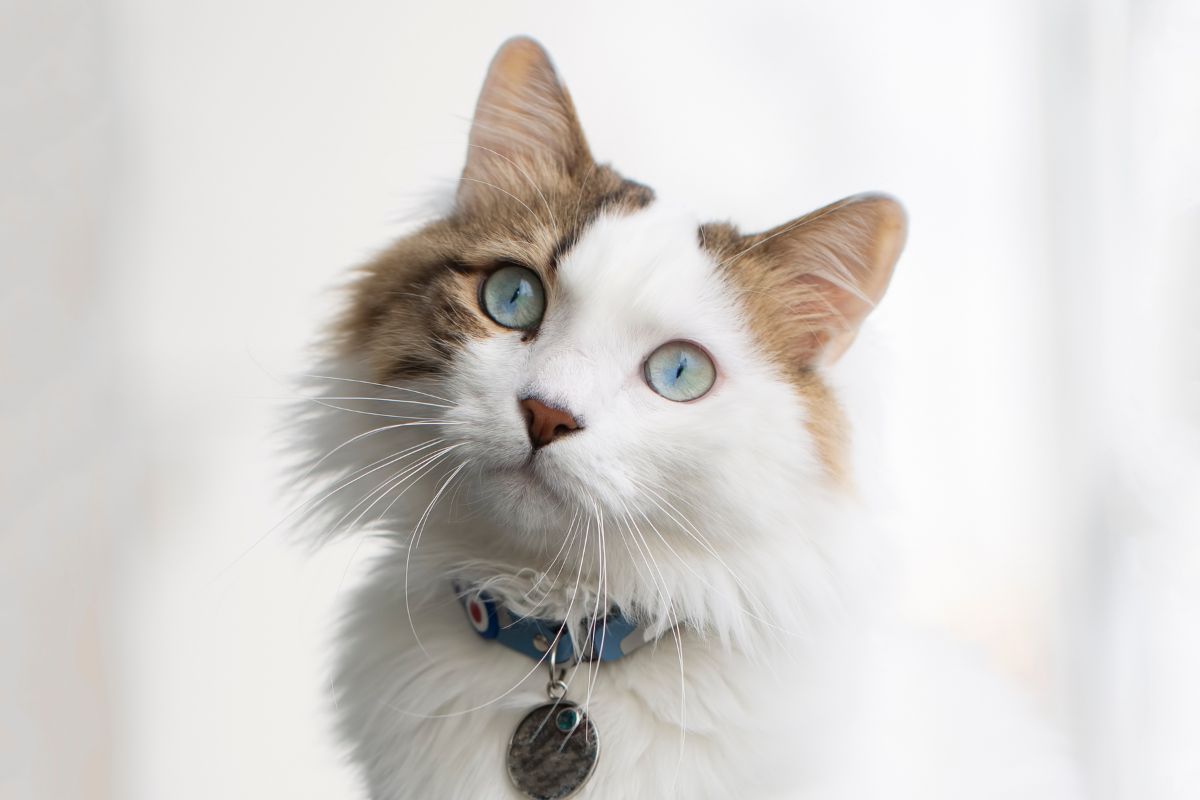
When your cat suddenly needs food and their regular cat food is unavailable, you may wonder what you can safely offer from your kitchen. During unexpected situations, having a few safe human foods available can help you provide temporary nutrition until you can restore your cat’s normal diet. However, not every food that is healthy for people is safe for cats.
Cats have specific nutritional requirements because they are obligate carnivores. Their bodies depend on nutrients found primarily in animal tissues, including taurine and certain essential amino acids. Therefore, human food should only serve as a short-term option and should not replace a complete and balanced cat food for an extended period.
Knowing which foods are appropriate can help you make safer decisions when your cat’s regular food is temporarily unavailable. If your cat also shows vomiting, weakness, breathing difficulty, poisoning concerns, severe pain, or other serious symptoms, urgent pet care can provide the prompt veterinary assessment your cat may need.
What Human Foods Can Cats Safely Eat?
Several plain, cooked foods can be offered to cats in small amounts. The safest choices generally include unseasoned animal proteins and a few simple foods that are easy to digest.
Suitable options may include:
- Plain cooked chicken
- Plain cooked turkey
- Cooked lean beef
- Cooked eggs
- Plain cooked fish with all bones removed
- Plain pumpkin
- Small amounts of cooked vegetables such as carrots
- Plain cooked rice in limited amounts
These foods should always be prepared without salt, spices, sauces, butter, garlic, onions, or other potentially harmful ingredients.
Because cats require animal-based nutrients, plain cooked meat is generally a more appropriate temporary food than relying heavily on grains or vegetables.
1. Plain Cooked Chicken
Plain cooked chicken is one of the simplest temporary food options for cats. Remove the skin and bones, then serve the meat without seasoning.
Boiled or baked chicken works well when prepared without oil, salt, garlic, onion, sauces, or spices. Cut the meat into small pieces so your cat can eat it comfortably.
Chicken should only be a temporary option. Although it provides protein, it does not contain every nutrient a cat needs for long-term health.
2. Plain Cooked Turkey
Unseasoned turkey can also provide a temporary source of animal protein. Choose plain cooked turkey meat and remove the skin, bones, and excess fat.
Avoid deli turkey and processed turkey products because they may contain high levels of sodium, preservatives, seasonings, or other ingredients that are not appropriate for cats.
If you prepare turkey specifically for your cat, keep it completely plain.
3. Cooked Eggs
Fully cooked eggs can provide protein and may be acceptable in small portions. Scrambled or boiled eggs are suitable when prepared without salt, butter, milk, oil, cheese, or seasonings.
Do not feed raw eggs. Raw foods can carry harmful bacteria, and raw egg whites also contain avidin, which can interfere with biotin absorption when consumed regularly.
A small amount of plain cooked egg can be used temporarily, but it should not become your cat’s primary diet.
4. Plain Cooked Beef
Lean, fully cooked beef can provide protein when your cat’s usual food is unavailable. Remove visible fat and serve the meat plain.
Do not use seasoned ground beef, burgers, meatloaf, or leftovers containing onions, garlic, sauces, or excessive salt.
Additionally, avoid giving cats fatty meats because rich foods may cause digestive upset.
5. Plain Cooked Fish
Cats often enjoy fish, and plain cooked fish can provide protein. However, preparation matters.
Choose fully cooked fish without added seasoning and carefully remove all bones before serving. Never rely on fish prepared with sauces, garlic, onion, heavy oils, or large amounts of salt.
Fish should also remain an occasional or temporary food rather than becoming the foundation of a cat’s everyday diet.
6. Plain Pumpkin
Plain pumpkin can sometimes be offered in a small amount. It contains fiber and may be useful as part of dietary support for certain digestive concerns.
However, pumpkin should never contain added sugar, spices, sweeteners, or pie-filling ingredients.
Plain canned pumpkin is different from pumpkin pie filling. Always check the ingredient label before offering it to your cat.
If your cat has persistent diarrhea, constipation, vomiting, or other digestive symptoms, do not rely on pumpkin alone. A veterinarian should evaluate ongoing gastrointestinal problems.
7. Plain Cooked Rice
Small amounts of plain cooked white rice may be tolerated by some cats. However, rice does not provide the animal-based nutrition cats require.
Therefore, if rice is used temporarily, it should not make up most of the meal. A small amount alongside an appropriate plain protein source is generally more suitable.
Never add seasonings, sauces, butter, garlic, onion, or other flavoring ingredients.
What Human Foods Should Cats Never Eat?
Knowing what to avoid is just as important as knowing what may be safe.
Never intentionally feed your cat foods containing:
- Onions or garlic
- Chocolate
- Alcohol
- Caffeinated beverages
- Grapes or raisins
- Xylitol
- Raw yeast dough
- Heavily salted foods
- Highly seasoned foods
- Foods containing toxic ingredients
- Cooked bones
- Large amounts of fatty foods
Some foods can cause digestive upset, while others can be dangerous even in relatively small amounts.
For example, onions and garlic can damage red blood cells in cats. Chocolate and caffeine can also cause serious health problems. Grapes and raisins are associated with kidney problems in dogs, and because cats can also have adverse reactions, they should not be offered.
If you believe your cat has consumed a potentially toxic food, contact a veterinarian promptly rather than waiting for symptoms to appear.
How Much Human Food Can You Give a Cat?
Portion size matters. Even a food that is considered safe can cause digestive problems when given in large quantities.
If you need to temporarily feed your cat human food, offer small portions of plain, cooked protein. You can divide the food into several small meals instead of providing one large serving.
Your cat’s age, size, health, activity level, and existing medical conditions can influence appropriate portions. Cats with diabetes, kidney disease, gastrointestinal problems, food allergies, or other health concerns may require specific dietary restrictions.
Therefore, avoid making significant dietary changes without veterinary guidance when your cat has an existing health condition.
Can Cats Eat Human Food Instead of Cat Food?
Human food should not routinely replace complete and balanced cat food.
Commercial cat foods are formulated to provide the specific nutrients cats need, including taurine, vitamins, minerals, fatty acids, and appropriate levels of protein and other nutrients.
A temporary meal made from plain chicken or another safe food may help when regular cat food is temporarily unavailable. However, feeding homemade meals for an extended period without professional nutritional guidance can result in nutritional deficiencies.
Once your cat’s regular food becomes available, gradually return to their normal diet if they have tolerated the temporary food well.
What If Your Cat Refuses the Food?
Some cats may refuse unfamiliar foods, even when they are hungry. Do not force-feed your cat unless a veterinarian specifically instructs you to do so.
You can try offering a small amount of plain, slightly warmed food because warming can make the aroma more appealing. Keep the food fresh and provide access to clean drinking water.
However, prolonged refusal to eat deserves attention. Cats can develop serious health complications when they stop eating, particularly cats that are overweight or have underlying health conditions.
If your cat refuses food for an extended period or develops additional symptoms, contact a veterinary professional for guidance.
When Should You Seek Urgent Veterinary Care?
A temporary lack of regular cat food is different from a situation involving serious illness or injury. If your cat has concerning symptoms, changing their diet at home may not address the underlying problem.
Seek prompt veterinary attention if your cat experiences:
- Difficulty breathing
- Collapse or extreme weakness
- Repeated vomiting
- Severe or persistent diarrhea
- Blood in vomit or stool
- Difficulty urinating
- Straining to urinate
- Seizures
- Severe pain
- Suspected poisoning
- Significant bleeding
- Loss of consciousness
- Serious injury
- Refusal to eat accompanied by other concerning symptoms
Cats can hide signs of illness remarkably well. Consequently, a noticeable change in appetite, behavior, activity, or bathroom habits should not automatically be dismissed.
How Can You Prepare a Safe Temporary Food Plan?
Planning ahead can make unexpected food shortages less stressful. Keep a few cat-safe ingredients available, such as plain cooked chicken or another suitable protein.
You should also keep your cat’s regular food supply stocked whenever possible. If your cat follows a prescription diet, ask your veterinarian about appropriate backup options before changing their food.
Create a simple list of foods your cat can safely eat and foods they should avoid. Store your veterinarian’s contact information in an easily accessible location as well.
Most importantly, remember that temporary feeding and medical treatment are two different things. Safe food can provide short-term nutrition, but it cannot treat poisoning, injury, dehydration, infection, urinary problems, or other serious medical conditions.
Knowing which human foods cats can safely eat can help pet owners make sensible short-term decisions when regular cat food is temporarily unavailable. Plain cooked chicken, turkey, lean beef, eggs, and certain other simple foods may be appropriate in small amounts, but they should not replace a nutritionally complete feline diet for an extended period.
Most importantly, food should never be used as a substitute for veterinary treatment when a cat has serious symptoms, suspected poisoning, significant injury, difficulty breathing, urinary problems, or a prolonged loss of appetite.
For questions or immediate veterinary support, call 704-971-2075 to contact Riverbend Veterinary PetCare Hospital in Charlotte, NC, serving pet owners in Charlotte, Mt. Holly, Huntersville, Stanley, and the surrounding area.