New Client? Enjoy Your First Comprehensive Exam for Just $35!



What Your Pet’s Sleeping Position May Reveal About Comfort and Health
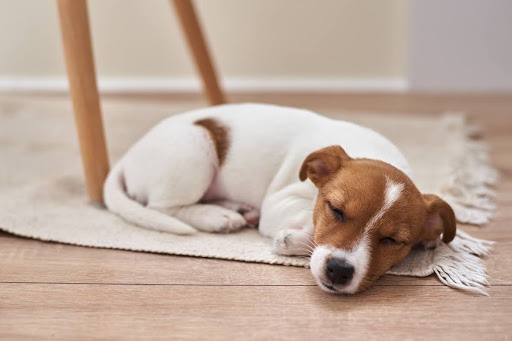
Pets spend a significant part of their lives sleeping, and the way a dog or cat rests can sometimes provide useful clues about comfort, behavior, and overall well-being. Sleeping positions can vary based on temperature, personality, age, environment, and daily activity. A particular position by itself usually does not indicate a health problem, but a sudden or persistent change may deserve closer attention.
At Riverbend Veterinary PetCare Hospital, understanding changes in normal behavior is an important part of maintaining your pet’s well-being. Observing how your pet sleeps, moves, eats, and interacts at home can give you useful information to discuss during veterinary care, particularly when a new sleeping pattern appears alongside other physical or behavioral changes.
Common Pet Sleeping Positions and What They May Mean
Curled Into a Ball
Dogs and cats often sleep curled tightly with the nose near the tail. This position helps conserve body heat and can provide a sense of security.
A curled position is generally normal, especially when your pet appears relaxed and behaves normally when awake.
Sleeping on the Side
Side sleeping usually indicates that a pet feels comfortable and secure. It allows the muscles to relax and may occur after exercise or during deeper sleep.
If your pet regularly sleeps on its side and wakes normally, this position is generally not concerning.
Sprawled Out
Some pets sleep with their legs stretched behind or to the side. Dogs may adopt this position after activity because it can help them cool down.
Cats may also stretch out when they are comfortable in their surroundings.
Sleeping on the Back
A pet lying on its back with its belly exposed may be demonstrating comfort and relaxation. Dogs commonly adopt this position when they feel safe.
However, sleeping on the back can also help an animal cool down because the less-furred belly is exposed to the surrounding air.
Sleeping in a Tight or Unusual Position
A pet that suddenly begins sleeping in a very unusual position may be responding to discomfort, environmental changes, or another factor.
For example, a dog that repeatedly changes positions without settling may be experiencing pain or discomfort. A cat that starts sleeping in isolated locations may be stressed or feeling unwell.
The important factor is whether the behavior represents a meaningful change from your pet’s normal routine.
When Sleeping Changes May Indicate Discomfort
Changes in sleep position become more significant when they occur with other symptoms.
Watch for:
- Difficulty getting comfortable
- Repeatedly getting up and lying down
- Reluctance to jump or climb
- Stiffness after resting
- Whining or unusual vocalization
- Changes in appetite
- Reduced activity
- Excessive licking of a specific body area
- Hiding more than usual
- Changes in breathing
For example, a pet with joint discomfort may have difficulty finding a comfortable position or may avoid lying down and getting up repeatedly.
Sleeping Position and Joint Comfort
Older pets or animals with orthopedic problems may change the way they rest. A dog that previously slept on the floor may begin choosing softer bedding, while a cat that regularly jumped onto furniture may start sleeping in lower locations.
Other mobility-related warning signs include:
- Difficulty standing after sleep
- Limping
- Hesitation on stairs
- Reduced jumping
- Stiff movements
- Less interest in play
These changes should not automatically be considered a normal part of aging. Pain and mobility problems can often be managed more effectively when identified early.
Does Your Pet Sleep More Than Usual?
Sleep requirements vary between individual animals and change with age. Puppies, kittens, and senior pets generally sleep more than healthy adult animals.
A noticeable increase in sleep can become concerning when it occurs with other changes, such as:
- Loss of appetite
- Weight loss
- Weakness
- Reduced interest in normal activities
- Vomiting or diarrhea
- Changes in drinking or urination
- Difficulty breathing
Instead of focusing only on the number of hours your pet sleeps, consider whether the overall daily routine has changed.
Cats May Hide When They Are Uncomfortable
Cats are particularly good at concealing signs of illness. A cat that suddenly chooses secluded sleeping areas, avoids interaction, or changes its normal resting locations may be experiencing stress or discomfort.
Look for additional changes in:
- Grooming
- Appetite
- Litter box habits
- Activity
- Vocalization
- Social behavior
- Jumping ability
A combination of changes is more informative than any single sleeping position.
When Should You Contact a Veterinarian?
A different sleeping position does not automatically require medical attention. However, sudden changes combined with physical symptoms should be evaluated.
Contact a veterinarian if your pet has persistent difficulty settling, obvious pain, significant mobility changes, breathing problems, severe lethargy, repeated vomiting, or other concerning symptoms.
Seek prompt veterinary attention for severe breathing difficulty, collapse, inability to stand, major trauma, or other rapidly worsening signs.
How Pet Owners Can Monitor Sleep Habits
You do not need to interrupt your pet while sleeping to monitor health. Instead, observe normal patterns over time.
Keep note of:
- Where your pet normally sleeps.
- Whether the preferred sleeping position changes.
- How easily your pet gets up.
- Whether sleep is interrupted frequently.
- Whether appetite, activity, or bathroom habits also change.
Photos or short videos of unusual behavior can also be useful to show a veterinarian during an appointment.
Supporting Comfortable Sleep
Provide your pet with a clean, quiet sleeping area that suits its age and mobility. Older pets may benefit from supportive bedding and an easily accessible resting location.
Avoid making sudden environmental changes when possible. Maintaining a predictable routine can help pets that are sensitive to stress.
Most importantly, consider your pet’s entire behavior rather than interpreting one sleeping position in isolation.
Your pet’s sleeping position can offer useful clues about comfort and normal behavior, but it should always be considered alongside appetite, mobility, activity, and other changes. Paying attention to your pet’s normal routine can help you recognize potential problems sooner. If you are in Charlotte, NC, and need guidance from a vet near you, schedule your appointment with Riverbend Veterinary PetCare Hospital for personalized guidance about changes in your pet’s comfort, behavior, or overall health.
Frequently Asked Questions
Q1. What is the healthiest sleeping position for a dog or cat?
Ans: There is no single healthiest sleeping position. Curling up, sleeping on the side, stretching out, or lying on the back can all be normal. The key is whether the position is comfortable and consistent with the pet’s usual behavior.
Q2. Why is my dog suddenly sleeping in a different position?
Ans: Changes may result from temperature, a new sleeping surface, stress, aging, or physical discomfort. If the change persists or occurs with stiffness, limping, appetite changes, or unusual behavior, consult a veterinarian.
Q3. Why has my cat started sleeping in secluded places?
Ans: Cats may seek secluded areas because they feel secure there, but sudden hiding can also occur with stress, pain, or illness. Look for additional changes in eating, grooming, litter box use, and activity.
Q4. Should I worry if my senior pet sleeps more?
Ans: Older pets commonly sleep more, but a significant increase in sleep accompanied by weakness, appetite changes, weight loss, or mobility problems should be evaluated.
Q5. Can a sleeping position indicate pain?
Ans: It can sometimes provide a clue, especially when a pet repeatedly changes positions, struggles to settle, avoids certain positions, or shows other signs of discomfort. A veterinary examination is needed to determine the underlying cause.
Q6. When is unusual sleeping behavior an emergency?
Ans: Seek immediate veterinary attention when unusual behavior occurs with severe breathing difficulty, collapse, inability to stand, major trauma, or other rapidly worsening symptoms.