New Client? Enjoy Your First Comprehensive Exam for Just $35!



Everything You Need to Know About Birthing Puppies and Vet Checkups
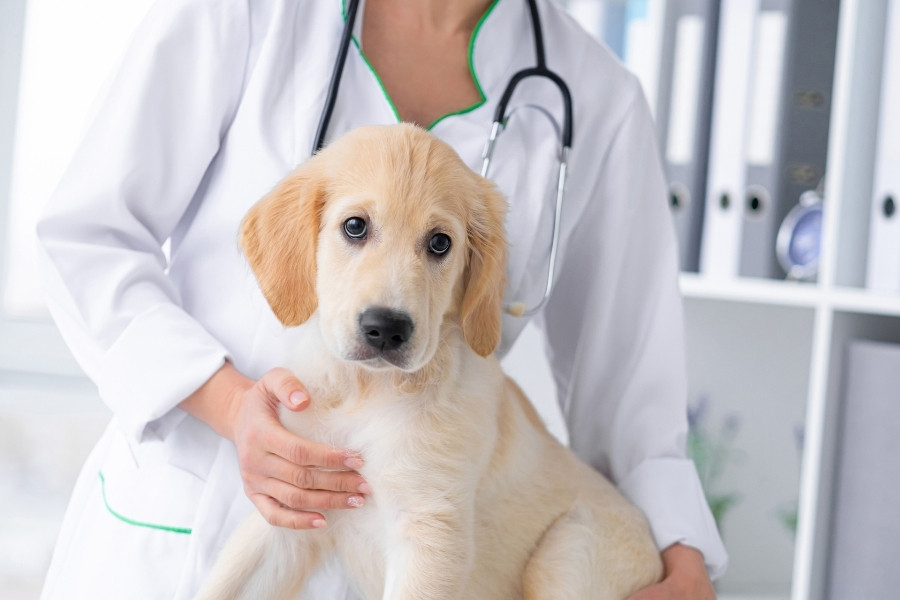
Welcoming a litter of puppies into the world is one of the most heartwarming experiences for any dog owner. However, it also comes with responsibility, planning, and a clear understanding of the birthing process. From the first signs of labor to the essential vet checkups afterward, every step matters for your dog’s health and the well-being of her pups.
Reading the Signs: How to Know Labor Is Near
A few days before giving birth, your dog might display subtle but telling signs. She may become restless, seek a quiet space, or refuse food. Her temperature might drop slightly, and she could start “nesting” — gathering blankets or staying in her whelping box.
These behaviors mean labor is approaching. Keep a close watch, but remain calm. Your support will help her feel safe during this vulnerable time.
Creating the Perfect Whelping Environment
A whelping box is more than just a comfy corner — it’s your dog’s safe haven during labor. Place it in a quiet, warm, and clean area away from household traffic. Use washable blankets or towels, and make sure the space is free from drafts.
By providing a peaceful setting, you allow the birthing process to progress naturally while reducing stress for your dog.
The Birthing Stages: What to Expect
Dog labor happens in three main stages:
- Stage One: The cervix dilates, contractions begin, and your dog may pant, tremble, or pace. This can last up to 12 hours.
- Stage Two: Puppies are delivered, usually within 30–60 minutes of each other. If there’s a delay of more than two hours, contact your vet.
- Stage Three: The placenta is expelled after each pup. Make sure each placenta is delivered to prevent infection.
Knowing these stages helps you spot potential complications early.
When to Call the Vet Immediately
Even though many dogs deliver naturally, complications can arise. Call your vet right away if you notice:
- Straining for more than 30 minutes without delivering a puppy.
- Green or foul-smelling discharge before the first pup arrives.
- Weakness, collapse, or excessive bleeding.
In these moments, quick action can save both the mother and her puppies.
Post-Birth Puppy Care and Vet Checkups
Once the puppies arrive, their first hours are crucial. Make sure each pup is breathing well and nursing. Keep them warm, as newborn puppies can’t regulate their body temperature.
Within 24–48 hours, schedule a vet visit. This checkup ensures the mother is recovering well and the puppies are healthy. Many clinics offering pet diagnostic care Charlotte provide thorough newborn exams, weight checks, and advice on early vaccinations.
Nutrition and Recovery for the Mother Dog
After giving birth, your dog needs nutrient-rich food to regain her strength and produce enough milk. Feed her high-quality puppy food, which offers the extra calories and protein she needs.
Fresh water should always be available, and gentle exercise will help her recover while avoiding strain.
The Importance of Follow-Up Veterinary Visits
Puppies grow quickly, and their health needs evolve. Regular vet checkups during the first few months track their development, prevent illnesses, and prepare them for vaccinations.
For the mother, a follow-up visit ensures her uterus has returned to normal, and there are no hidden infections. Early detection through diagnostic tests can make all the difference in long-term health.
By understanding the signs of labor, preparing a safe birthing space, and ensuring timely vet visits, you give your dog and her puppies the best possible start. Whether it’s the first litter or the fifth, your love, attention, and access to professional pet diagnostic care in Charlotte will help keep tails wagging and paws healthy. For expert guidance and compassionate veterinary support, schedule an appointment with your trusted local veterinary team today.
Frequently Asked Questions
1. How long is a dog pregnant before giving birth?
The average dog pregnancy lasts about 63 days, but it can range from 58 to 68 days.
2. Do I need to assist my dog during labor?
Most dogs can deliver without assistance, but stay close in case of complications.
3. How can I prepare for potential birthing problems?
Have your vet’s number ready, know the nearest 24-hour clinic, and keep clean towels on hand.
4. When should puppies have their first vet visit?
Within 24–48 hours after birth to ensure they are healthy and nursing well.
5. What is the role of pet diagnostic care in Charlotte for newborn puppies?
It includes exams, health screenings, and guidance to ensure puppies start life strong and healthy.
6. Can my dog go for walks after giving birth?
Yes, but start with short, gentle walks after a few days, avoiding overexertion.