New Client? Enjoy Your First Comprehensive Exam for Just $35!



Halloween Candy Risks for Pets: What’s Safe and What’s Toxic
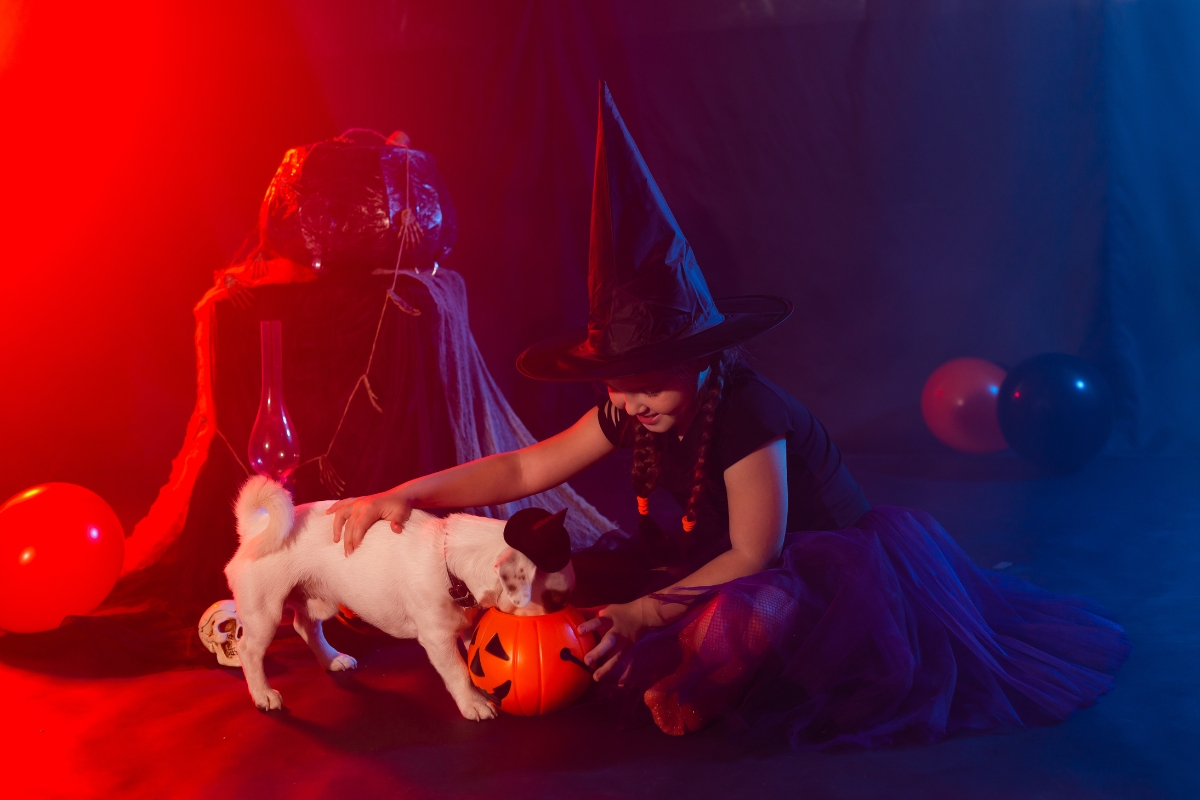
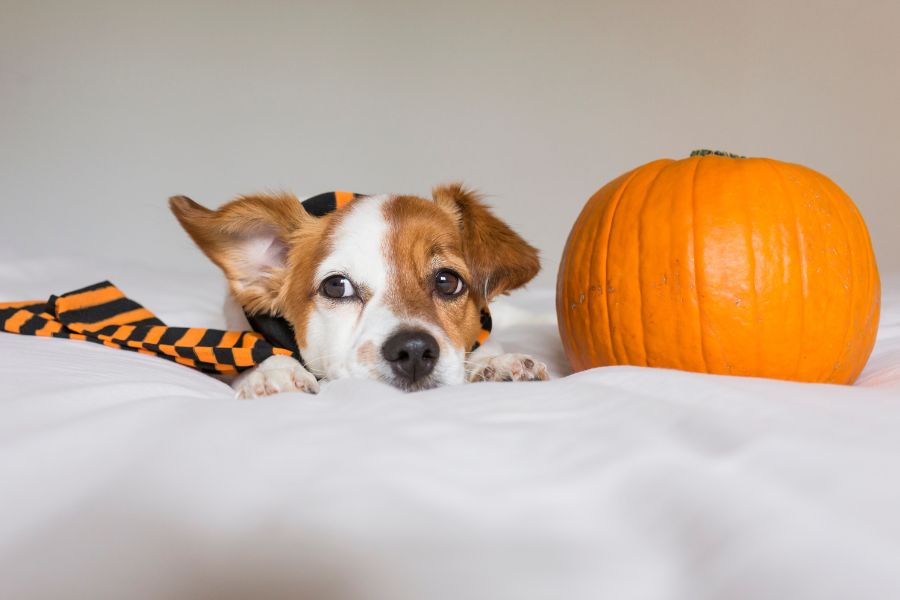
Halloween in Charlotte means trick-or-treat bags, candy bowls, and sweets throughout the house, for families with dogs or cats, that also creates opportunities for curious pets to eat something they should not.
Human candy should not be considered a safe pet treat. Chocolate, xylitol, raisins, and certain other ingredients can cause serious illness. Even candy without a known toxin may upset the stomach or create choking and blockage risks.
Knowing what is dangerous and when urgent care may be necessary can help Charlotte pet owners act quickly after an accidental ingestion.
Which Halloween Candies Are Toxic to Dogs and Cats?
Some Halloween treats carry much greater risks than others. What matters may include the ingredient, the amount eaten, the type of candy, and your pet’s body weight.
Chocolate
Chocolate contains theobromine and caffeine, which dogs and cats metabolize differently than people do. Dark chocolate, baking chocolate, and cocoa powder generally contain higher concentrations of cocoa solids than milk chocolate.
Signs of chocolate poisoning can include vomiting, diarrhea, restlessness, increased thirst, abnormal heart rate, tremors, and seizures. Do not wait for symptoms before contacting a veterinarian after a concerning exposure.
Sugar-Free Candy Containing Xylitol
Xylitol is a sweetener found in some sugar-free gum, candy, baked products, and other foods. It is particularly dangerous to dogs because it can cause a rapid decrease in blood sugar and may damage the liver.
Check the ingredient label immediately. Call our animal hospital now if your dog may have swallowed a xylitol-containing product and you need guidance about urgent care.
Raisins and Grapes
Raisins sometimes appear in Halloween snack packs, but they are not a safe alternative for dogs. Grapes and raisins can cause acute kidney injury, and the amount that causes poisoning is not reliably predictable.
Contact a veterinarian promptly after a known exposure rather than waiting to see whether your dog becomes sick.
Candy Wrappers and Large Amounts of Sweets
Foil, plastic, sticks, and wrappers can become foreign bodies in the digestive tract. Large amounts of sugary or fatty candy can also cause vomiting, diarrhea, abdominal discomfort, and sometimes pancreatitis.
Is Any Halloween Candy Safe for Pets?
The safest answer is simple: do not share human Halloween candy with dogs or cats.
A candy being non-toxic does not make it a healthy pet treat. Instead, let your pet celebrate with a small portion of a familiar dog or cat treat.
Some dogs may tolerate small amounts of plain pumpkin, carrot, blueberries, or xylitol-free peanut butter. Cats generally do better with their regular treats or a small portion of plain, cooked, unseasoned meat.
Pets with diabetes, pancreatitis, food allergies, or prescribed diets may need different treat choices. Ask your veterinarian before introducing unfamiliar foods.
What Should You Do If Your Pet Eats Halloween Candy?
First, take away the remaining candy. Save the package and ingredient label. Try to determine what your pet ate, approximately how much was consumed, and when it happened.
Contact a veterinarian promptly if toxic ingredients are suspected. Do not induce vomiting or give human medications or home remedies unless a veterinary professional specifically instructs you to do so.
Seek urgent care for concerning exposures or symptoms such as:
- Repeated vomiting
- Marked weakness or collapse
- Tremors or seizures
- Severe restlessness
- Breathing changes
- Abnormal heartbeat
- Significant abdominal pain
Swallowed wrappers also deserve attention if your pet develops repeated vomiting, appetite loss, abdominal discomfort, or difficulty passing stool.
Veterinary evaluation may involve an examination, blood testing, monitoring, imaging, fluids, medications, or other supportive treatment. The appropriate approach depends on the substance, dose, timing, symptoms, and individual pet.
How Can Pet Owners Prevent Candy Accidents?
Keep candy inside closed cabinets rather than on tables or counters. Ask children to keep trick-or-treat bags away from pets, and discard wrappers promptly.
Pet owners in Charlotte, Mountain Island, Huntersville, Mount Holly, and nearby communities should call and book an urgent appointment after a suspected poisoning when possible. A trusted veterinary team can help determine whether urgent care at a general hospital or treatment at an emergency facility is appropriate.
Keep the Halloween Fun Without the Candy Risk
Your dog or cat does not need human candy to enjoy Halloween. Pet-appropriate treats, play, and time with the family provide safer ways to include them.
If your pet eats chocolate, xylitol, raisins, unknown candy, or packaging, Riverbend Veterinary PetCare Hospital can evaluate many same-day concerns during business hours. For urgent pet care in Charlotte, call our hospital at +1 704-971-2075 for guidance. Depending on your pet’s condition, the veterinary team can determine whether urgent care or referral for emergency treatment is appropriate.
Frequently Asked Questions
Q1. How quickly can a dog get sick after eating chocolate?
Ans. Chocolate toxicity signs can take several hours to develop. The risk depends on the type and amount of chocolate and your dog’s weight. Riverbend Veterinary PetCare Hospital recommends contacting a veterinary professional after a concerning exposure rather than waiting for symptoms to develop.
Q2. What should I do if my dog eats sugar-free Halloween candy?
Ans. Check the ingredient list immediately for xylitol. If xylitol is present or you cannot confirm the ingredients, contact a veterinarian promptly. Riverbend Veterinary PetCare Hospital can assess whether your dog needs urgent care during hospital hours.
Q3. Can cats eat Halloween candy?
Ans. No, human Halloween candy should not be intentionally given to cats. Chocolate can be toxic, while fat, sugar, wrappers, and other ingredients may cause additional problems. Choose treats formulated for cats instead.
Q4. Is one piece of chocolate dangerous for a dog?
Ans. It depends on your dog’s size and the amount and type of chocolate consumed. Dark and baking chocolate are more concentrated than milk chocolate. Contact our veterinarian for an exposure assessment instead of estimating the risk at home.
Q5. When does candy ingestion require immediate veterinary attention?
Ans. Known ingestion of xylitol or a concerning amount of chocolate or raisins warrants prompt veterinary guidance. Collapse, seizures, tremors, breathing problems, severe weakness, or repeated vomiting also require rapid attention.
Q6. Should I make my pet vomit after eating candy?
Ans. Do not induce vomiting unless a veterinarian or animal poison professional specifically instructs you to do so. Riverbend Veterinary PetCare Hospital can help determine the appropriate next step based on what your pet consumed and its current condition.