New Client? Enjoy Your First Comprehensive Exam for Just $35!


How Animal Clinics Help Keep Your Pet Healthy

When your pet wags its tail or purrs with contentment, it’s a reflection of love—and good health. Behind that vibrant energy often stands a trusted animal clinic. From vaccinations to routine exams, a dedicated Charlotte veterinarian ensures your furry friend enjoys the best care possible. Let’s dive into how animal clinics work tirelessly to keep tails wagging and whiskers twitching with joy.
The Wellness Foundation: Preventive Care Is Everything
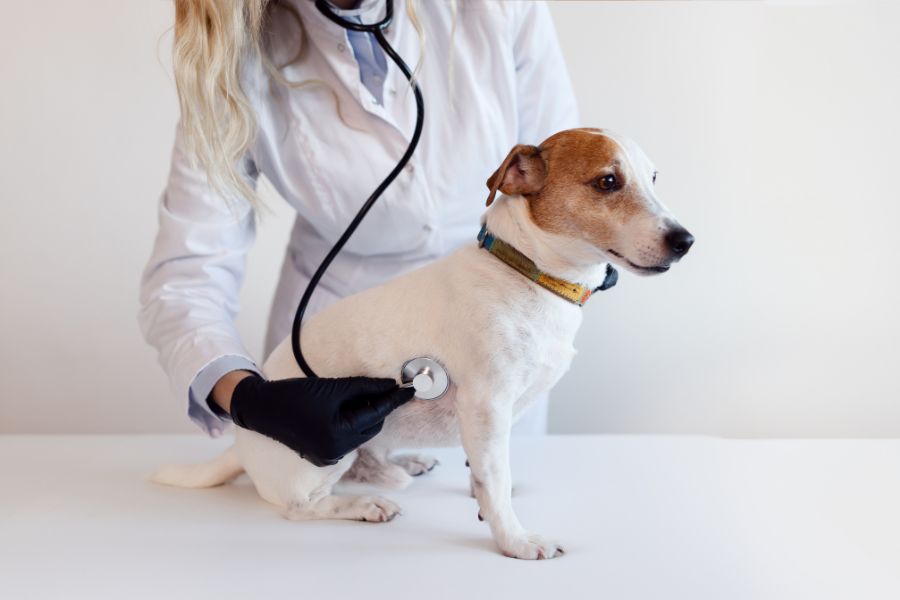
Preventive care lays the groundwork for a long, happy life. Think of it as regular check-ins to keep issues from turning into emergencies. Annual exams, dental cleanings, parasite control, and vaccinations all fall under this umbrella.
Animal clinics assess your pet’s weight, monitor organ function, and identify any changes in behavior or appearance. These appointments may seem routine, but they’re powerful tools in early disease detection. Moreover, clinics offer customized health plans based on your pet’s breed, age, and lifestyle—keeping them protected year-round.
Did you know? Preventive care can extend your pet’s life by several years with timely vaccinations, parasite control, and health screenings.
Nutrition and Guidance: More Than Just Kibble Advice
Feeding your pet isn’t just about filling a bowl—it’s about fueling a life. A well-balanced diet improves immunity, energy, coat quality, and weight management. At an animal hospital in Charlotte, veterinarians provide diet plans tailored to your pet’s specific needs.
Whether your dog has food allergies or your cat is on the chubby side, your local clinic offers guidance on everything from high-protein kibble to prescription diets. They can also help you choose treats that contribute to dental and digestive health, not just temporary tail wags.
Diagnostic Powerhouses: When Something Feels Off
Sometimes your pet hides pain or discomfort well. That’s where diagnostics step in. Animal clinics are equipped with advanced tools like digital X-rays, ultrasounds, and in-house labs. These tools allow for faster, more accurate diagnoses of infections, injuries, or internal issues.
Let’s say your dog limps after a walk or your cat refuses food for a day. A quick visit to your Charlotte veterinarian can lead to early intervention, saving your pet from unnecessary suffering—and saving you from unexpected costs.
Urgent Help When It Matters Most
Emergencies happen. Whether it’s a swallowed toy, heatstroke, or an unexpected illness, time becomes critical. Animal clinics offer emergency services to stabilize, treat, and monitor your pet when things go wrong.
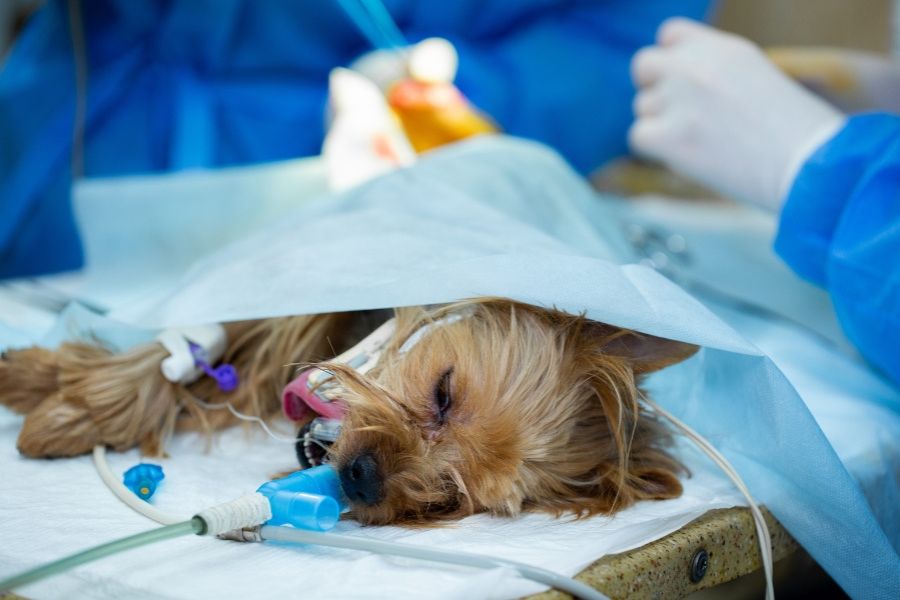
Your local animal hospital in Charlotte often functions like an ER for pets, with trained staff available to perform surgeries, IV treatments, and intensive care when needed. Their ability to act swiftly can make all the difference during critical moments.
Tailoring Treatments: From Puppies to Senior Pets
Your pet’s age matters. Just like humans, pets need different care throughout life. Puppies and kittens require vaccinations and early behavioral guidance. Adult pets may need dental cleanings, joint support, and heartworm prevention. Meanwhile, senior pets benefit from arthritis management, more frequent blood work, and pain control.
Animal clinics track these evolving needs. Your Charlotte veterinarian serves as your partner in adapting care as your pet ages, ensuring they remain comfortable and active throughout every life stage.
Mental Health and Behavior: Not Just Physical Care
Healthy pets aren’t just physically well—they’re emotionally balanced too. Clinics help with behavioral issues like aggression, separation anxiety, or obsessive grooming. Often, what seems like a discipline problem is rooted in pain, fear, or confusion.
By working with professionals, you can address behavioral concerns through medication, training referrals, or environmental changes. Helping your pet feel safe and emotionally secure is just as important as physical checkups.
Frequently Asked Questions
Q1: How often should I take my pet to an animal clinic?
Most pets benefit from annual wellness exams. Senior pets or those with chronic conditions may need more frequent visits.
Q2: What’s the difference between an animal clinic and an animal hospital?
Clinics usually offer wellness care and minor procedures, while hospitals provide emergency care, diagnostics, and surgeries.
Q3: Can a Charlotte veterinarian help with my pet’s diet?
Absolutely. They offer personalized dietary advice based on your pet’s age, breed, weight, and health concerns.
Q4: What should I bring to my pet’s first vet appointment?
Bring previous medical records (if any), a list of current medications, and notes about your pet’s behavior or eating habits.
Q5: Are animal clinics safe for nervous pets?
Yes, many clinics have separate waiting areas for cats and dogs, use pheromone diffusers, and train staff in fear-free handling techniques.
Q6: Do I need to visit the clinic if my pet seems fine?
Yes. Many illnesses show no outward symptoms until they’re advanced. Routine checkups catch problems early.
Animal clinics play a crucial role in keeping your pets healthy, safe, and thriving. From nutritional guidance and dental cleanings to behavioral support and emergency treatment, they offer all-encompassing care for every stage of your pet’s life. Trusting a dedicated veterinarian ensures you’re making proactive choices for your furry family member.
For pet parents in North Carolina, an animal hospital provides the expertise and compassion needed to keep tails wagging and purrs strong. Their role in your pet’s health journey is not just beneficial—it’s essential.