New Client? Enjoy Your First Comprehensive Exam for Just $35!



How Long Does It Take a Dog to Recover from Surgery?
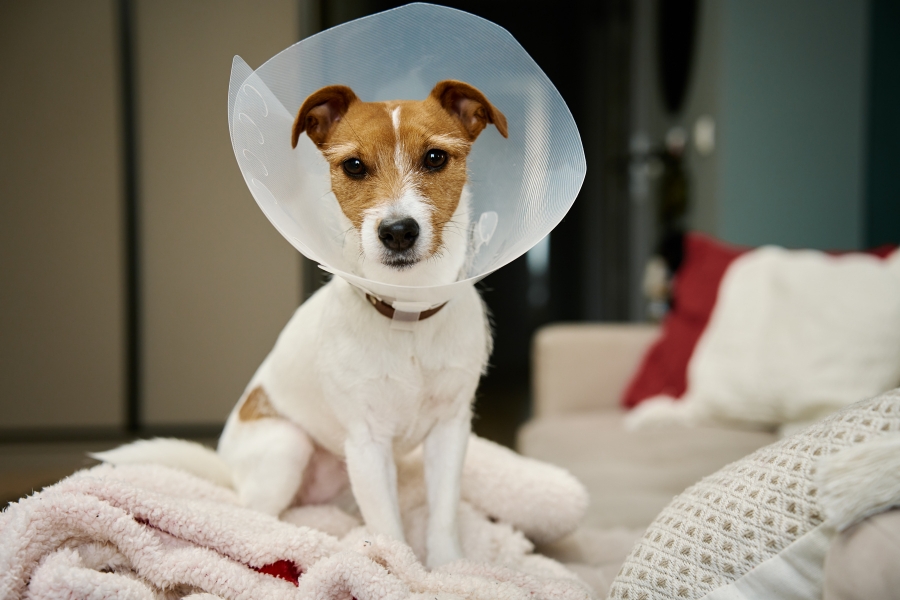
Whether your dog has undergone a routine procedure or a more complex surgery, you want to ensure that they recover quickly and comfortably. The recovery time for dog surgery varies depending on several factors, including the type of surgery, the dog’s age, health condition, and how well they follow post-operative instructions. Understanding the typical recovery process can help ease your concerns and allow you to provide the best care for your furry friend during their healing journey.
This blog is especially for dog owners in Charlotte, NC, who want to know how long it takes for their dog to recover from surgery and what to expect throughout the process. Whether you’re preparing for your dog’s upcoming surgery or you’re caring for a dog in the recovery phase, we’ll guide you through the essential steps of recovery.
1. Types of Dog Surgery and Recovery Time
The recovery time for your dog largely depends on the type of surgery they undergo. Some surgeries involve minimal recovery time, while others may require more extended rest and care. Below, we’ll break down some common dog surgeries and their typical recovery times.
Routine Surgeries:
- Spaying/Neutering: Spaying or neutering is one of the most common surgeries for dogs. It is typically a straightforward procedure with a relatively quick recovery. Most dogs recover in about 7 to 10 days, although some may take a little longer. During this time, dogs are usually prescribed pain relief medications to manage any discomfort.
- Dental Surgery: Dental procedures, such as teeth extractions or cleaning, also have a relatively short recovery time. Dogs may feel some discomfort for a few days, but they typically recover within 3 to 5 days. However, you should avoid giving your dog hard food for about a week.
- Minor Soft Tissue Surgery: Minor soft tissue surgeries, such as removal of small lumps or abscesses, typically have a recovery time of 7 to 10 days. Dogs usually feel better within a couple of days but will need to rest and avoid excessive physical activity.
Complex Surgeries:
- Orthopedic Surgery: Orthopedic surgeries, such as hip or knee surgery, are more invasive and require a longer recovery time. It can take anywhere from 6 to 12 weeks for your dog to fully recover, depending on the procedure and the dog’s condition. In the first few weeks, your dog will likely need to limit movement and may require physical therapy.
- Abdominal Surgery: Surgeries involving the abdominal cavity, such as gastrointestinal or bladder surgeries, can take several weeks to heal. Recovery time can range from 2 to 4 weeks, depending on the complexity of the surgery and your dog’s health.
The type of surgery your dog undergoes will largely influence their recovery time, so it’s essential to consult with your veterinarian about the specifics of your dog’s procedure.
2. Factors That Affect Recovery Time
Several factors influence how quickly your dog will recover from surgery. These factors include the type of surgery, your dog’s age, their overall health, and how well they follow post-operative instructions.
Age of Your Dog
Younger dogs tend to recover faster than older dogs. Puppies generally heal more quickly and have more energy, so they may bounce back sooner from surgery. On the other hand, senior dogs may have a longer recovery time, especially if they have underlying health issues. They may also require more rest and pain management during the recovery process.
Overall Health
A dog’s overall health is a crucial factor in how well they recover from surgery. Dogs that are in good health before surgery tend to recover faster than those with pre-existing conditions like obesity, heart disease, or diabetes. If your dog is overweight, it may take them longer to recover due to the added strain on their joints and organs.
Type of Surgery
As discussed earlier, the type of surgery plays a significant role in recovery time. Less invasive surgeries, such as spaying, neutering, or minor soft tissue procedures, generally require shorter recovery times. However, more complex surgeries, like orthopedic procedures, abdominal surgery, or surgeries that involve internal organs, require more time for healing.
Post-Operative Care
Proper post-operative care is critical for a smooth and speedy recovery. Ensuring that your dog rests and avoids physical strain is essential. Follow your veterinarian’s instructions closely regarding medication, feeding, and activity restrictions. If your dog doesn’t rest enough or engages in too much physical activity, it can slow the healing process and lead to complications.
3. Signs of Complications to Watch For
While most dogs recover from surgery without issues, complications can arise. It’s essential to monitor your dog closely after surgery and contact your veterinarian if you notice any of the following signs:
- Excessive bleeding: A small amount of bleeding is normal after surgery, but excessive bleeding or blood soaking through the bandages is not. If this happens, contact your veterinarian immediately.
- Swelling or redness: While some swelling is expected, excessive swelling or a large, red, inflamed incision site may indicate an infection.
- Lethargy or loss of appetite: If your dog seems excessively lethargic or refuses to eat for more than 48 hours, this could be a sign of complications.
- Vomiting or diarrhea: Post-surgery vomiting or diarrhea may be a sign that your dog is having an adverse reaction to medication or developing an infection.
If you notice any of these signs, contact your veterinarian right away for guidance.
4. Caring for Your Dog After Surgery
Proper post-operative care is essential to ensure your dog heals properly and comfortably. Here are a few tips to help manage your dog’s recovery:
- Rest and Confinement: Limit your dog’s physical activity during the recovery period. For surgeries like orthopedic procedures, your dog will likely need to be confined to a small area or crate to prevent them from jumping or running around.
- Pain Management: Your veterinarian will likely prescribe pain medication to manage your dog’s discomfort. It’s important to follow the dosage instructions and never give your dog human pain relievers, as they can be toxic to pets.
- Follow-Up Appointments: Be sure to attend any follow-up appointments scheduled by your veterinarian. These visits allow your vet to check the healing progress and address any concerns.
- Monitor the Surgical Site: Keep an eye on the incision site for signs of infection or irritation. Gently clean the area as instructed by your veterinarian and keep your dog from licking or biting the site.
With proper care, your dog should recover quickly and return to their normal activities.
5. How to Help Your Dog’s Emotional Recovery
Surgery can be stressful for dogs, and the recovery process may be mentally and emotionally challenging. To help your dog recover emotionally, be patient and offer extra love and attention. Here are a few ways to help:
- Provide Comfort: After surgery, your dog may be more tired or anxious than usual. Make sure they have a quiet, comfortable place to rest and feel safe.
- Offer Reassurance: Spend quality time with your dog, offering gentle petting, talking to them, and providing soothing companionship.
- Stick to Routine: Dogs are creatures of habit, so try to maintain their regular feeding and bathroom schedule as much as possible.
Providing emotional support will help your dog feel safe and secure as they heal.
6. Recovery Time for Dogs Based on Surgery Type
- Spay/Neuter Surgery: 7 to 10 days for recovery.
- Soft Tissue Surgery: 7 to 14 days, depending on the procedure.
- Orthopedic Surgery: 6 to 12 weeks, depending on the complexity.
- Abdominal Surgery: 2 to 4 weeks for full recovery.
Your veterinarian will provide you with a recovery timeline tailored to your dog’s surgery.
The recovery time for dog surgery varies based on several factors, including the type of surgery, your dog’s age and health, and how well they follow post-operative care instructions. While minor surgeries may have a relatively quick recovery time, more complex procedures can take several weeks or even months for your dog to fully heal.
At Riverbend Veterinary PetCare Hospital, we are committed to providing your dog with the best possible surgical care. Contact us today to schedule a consultation for dog surgery. Whether your dog needs a routine procedure or more complex surgery, our experienced team is here to ensure they receive the highest level of care.
FAQs
Q1. How long does it take for a dog to recover from surgery?
Ans. The recovery time depends on the type of surgery. Minor surgeries may take about 7-10 days, while complex surgeries can take several weeks or even months.
Q2. Can I walk my dog after surgery?
Ans. You should limit your dog’s activity after surgery. Most dogs need to rest and avoid physical exertion for a few weeks, depending on the type of surgery.
Q3. How can I help my dog with pain after surgery?
Ans. Your veterinarian will provide pain medications to help manage your dog’s discomfort. Follow the dosage instructions closely, and monitor your dog for any side effects.
Q4. How can I tell if my dog is healing properly after surgery?
Ans. Look for signs such as a clean, dry incision site, normal appetite, and a gradual return to activity. If you notice unusual swelling, redness, or bleeding, contact your veterinarian.
Q5. Can I bathe my dog after surgery?
Ans. It’s best to avoid bathing your dog until the incision site has fully healed. Your veterinarian will let you know when it’s safe to give your dog a bath.
Q6. Should I keep my dog in a crate after surgery?
Ans. Yes, it’s usually recommended to keep your dog confined to a small space, such as a crate, to prevent them from jumping or running and interfering with the healing process.
