New Client? Enjoy Your First Comprehensive Exam for Just $35!



What Is Leptospirosis in Dogs? Symptoms Every Pet Owner Should Know
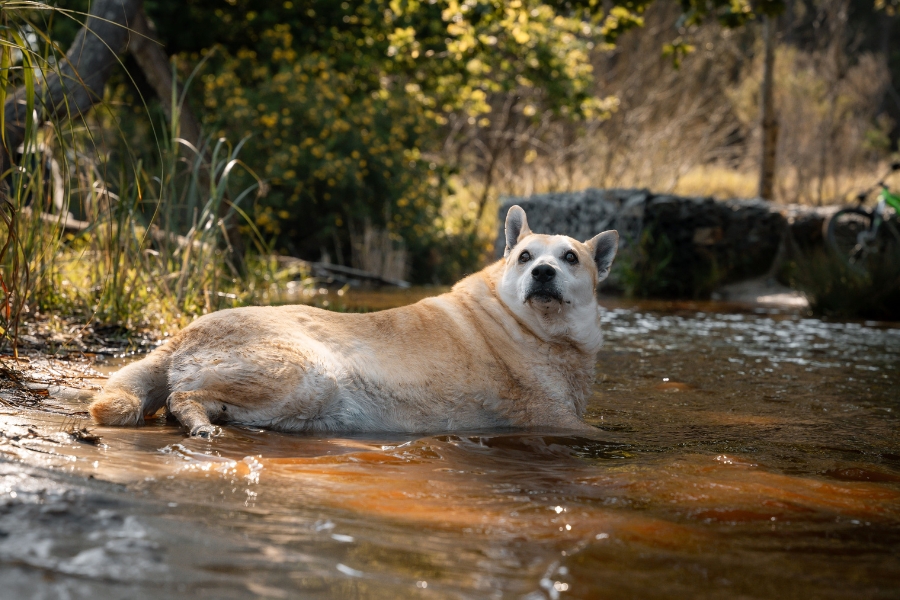
Leptospirosis might sound unfamiliar, but it poses a serious risk to dogs across the United States. This bacterial infection, caused by Leptospira, spreads through contaminated water, soil, or urine from infected animals. What makes it especially dangerous? It can affect not only your dog but also humans. With symptoms often mistaken for other illnesses, early diagnosis is critical.
In cities like Charlotte, where rainfall and wildlife exposure are common, your dog could be more vulnerable than you think. But don’t worry—armed with the right knowledge and a commitment to preventive care like timely pet vaccinations in Charlotte, you can keep your pup safe.
Early Symptoms You Should Never Ignore
Dogs are masters at hiding discomfort, which makes early symptoms of leptospirosis easy to miss. However, even mild symptoms should raise red flags.
Look out for the following:
- Lethargy or sudden lack of interest in play
- Loss of appetite
- Vomiting and diarrhea
- Fever or shivering
- Increased thirst and urination
As the disease progresses, it may affect the liver and kidneys, leading to more severe signs like jaundice, difficulty breathing, and muscle tenderness. Swift action can make all the difference—so if you notice any of these, call your vet right away.
How It Spreads: The Unexpected Ways Dogs Catch Leptospirosis
Leptospirosis is not just found deep in the woods. In fact, suburban backyards, public parks, and city puddles could all harbor this bacteria. Dogs become infected when they come into contact with contaminated:
- Standing water (especially after heavy rain)
- Muddy areas where wildlife roam
- Shared water bowls at dog parks
- Infected urine or soil
Rodents, raccoons, and even livestock are common carriers. And once inside your dog’s system, the bacteria rapidly multiply and spread through the bloodstream, reaching vital organs.
Diagnosing the Danger: What Vets Look For
Because leptospirosis mimics other illnesses, it’s not always easy to spot right away. Your vet may recommend:
- Blood tests to detect infection
- Urinalysis to assess kidney function
- Imaging like X-rays or ultrasounds in advanced cases
Early testing is key. Dogs diagnosed in the early stages respond well to antibiotics and supportive care, but if left untreated, complications can be life-threatening.
Vaccination: The Power of Prevention
One of the best tools in the fight against leptospirosis? Vaccination. Especially in areas like Charlotte, where climate and outdoor exposure increase risks, the leptospirosis vaccine can be a game changer.
It’s often part of a broader vaccine schedule. When searching for pet vaccinations in Charlotte, make sure leptospirosis is included in the list. Vets typically administer it yearly, although the frequency may vary based on your dog’s lifestyle and exposure.
How to Keep Your Dog Safe
Beyond vaccinations, there are several practical steps you can take to protect your furry friend:
- Avoid letting your dog drink from puddles or lakes
- Store food securely to keep rodents away
- Clean up standing water in your yard
- Wash paws after walks, especially in muddy areas
- Keep your dog leashed in unfamiliar environments
By building simple safety habits, you create a shield of protection that keeps both your pet and your household safe.
Human Risk: Why Leptospirosis Isn’t Just a Dog Problem
Leptospirosis is a zoonotic disease, which means it can pass from dogs to humans. People can become infected by handling urine, contaminated water, or even through open cuts. Symptoms in humans can be flu-like or more severe, depending on how far the bacteria spread.
Families with kids, seniors, or immunocompromised individuals need to be especially cautious. Timely diagnosis in your pet helps reduce the risk of spreading it to other members of your home.
When in Doubt, Call your Local Vet
Not every case of vomiting or fever is leptospirosis—but it’s not worth the gamble. Your veterinarian is your best ally. With thorough exams, testing, and preventative care options like pet vaccinations, you can stay one step ahead of this serious illness.
FAQs
1. Can dogs recover from leptospirosis?
Yes, with early diagnosis and prompt treatment, many dogs recover completely. Antibiotics and supportive care usually help the body fight the infection effectively.
2. Is leptospirosis contagious between dogs?
Yes, especially if they share water bowls or come into contact with infected urine. It’s always smart to isolate a sick dog and disinfect any shared areas.
3. Can I catch leptospirosis from my dog?
Unfortunately, yes. Leptospirosis is zoonotic, which means it can spread from animals to humans. Always wear gloves when cleaning up urine or vomit and wash your hands thoroughly.
4. How often should my dog get the leptospirosis vaccine?
Most dogs need the vaccine annually. However, your vet may recommend more frequent boosters based on your pet’s lifestyle or risk level.
5. Are certain breeds more prone to leptospirosis?
Dogs that love water or spend time outdoors—like retrievers or hounds—are more at risk. But any dog can be exposed, even apartment pets.
6. What happens if leptospirosis goes untreated?
Without treatment, leptospirosis can cause permanent kidney or liver damage and may lead to death. Early intervention is vital for survival.
Leptospirosis is more common than most pet owners realize, and it can escalate quickly if ignored. Don’t wait until symptoms worsen—watch for the early signs, avoid risky environments, and always keep your dog’s vaccinations up to date.
If you’re in Charlotte, now’s the perfect time to ask your vet about pet vaccinations in Charlotte that include protection against leptospirosis. Your dog’s health—and your family’s safety—depends on it.