New Client? Enjoy Your First Comprehensive Exam for Just $35!



Is It Normal? Why Dogs Engage in Excessive Licking Constantly

Dogs express themselves in many ways, and licking is one of their most common habits. A quick lick can be a sign of love, but when your furry friend licks excessively, it can raise questions. Is it a harmless quirk, or does it signal an underlying issue? Understanding the reasons behind this behavior helps you respond in the right way and protect your dog’s well-being.
The Comfort Zone: Why Dogs Lick for Soothing
Just like humans may bite their nails when stressed, dogs often use licking as a coping mechanism. It creates a calming effect by releasing endorphins, making them feel safe in uncertain situations. If your dog licks blankets, paws, or even the couch, it could be their way of self-soothing during stressful moments like thunderstorms or when left alone. Recognizing this habit can guide you to provide extra comfort or create a more calming environment.
Attention Please: The Social Side of Licking
Dogs are social animals, and licking can be their way of bonding. A lick on your hand or face might mean, “I love you” or “Please notice me.” While a little affection is charming, nonstop licking can quickly become overwhelming. Dogs that seek attention this way may be signaling boredom or loneliness. Introducing stimulating toys, longer walks, or interactive play sessions can redirect their energy and reduce the urge to lick excessively.
When Licking Becomes a Warning Sign
Sometimes licking goes beyond comfort or affection and points to health problems. Dogs may lick a specific area on their body if they feel pain, irritation, or an infection. Allergies, skin conditions, or even joint discomfort can trigger obsessive licking. If you notice redness, swelling, or hair loss, it’s best not to ignore it. A quick search for an animal clinic near me or scheduling Charlotte vet care can help identify and treat the issue before it worsens.
Flavor Chasers: The Odd Obsession With Surfaces
Some dogs lick floors, walls, or furniture for what seems like no reason at all. Surprisingly, these surfaces might carry leftover scents or flavors your pup finds fascinating. While this behavior can be harmless, it may also signal a nutritional deficiency or digestive issue. A balanced diet and regular checkups can ensure your dog isn’t licking out of a deeper health concern.
Anxiety on Display: Stress-Induced Licking Habits
Excessive licking often appears when dogs feel anxious. Triggers like separation, loud noises, or changes in routine can lead them to lick excessively as a way of coping. Over time, this habit can turn into a repetitive behavior that is difficult to break. Helping your dog manage stress with positive reinforcement, calming aids, or professional behavioral training can make a big difference in reducing anxiety-driven licking.
When to Seek Veterinary Help
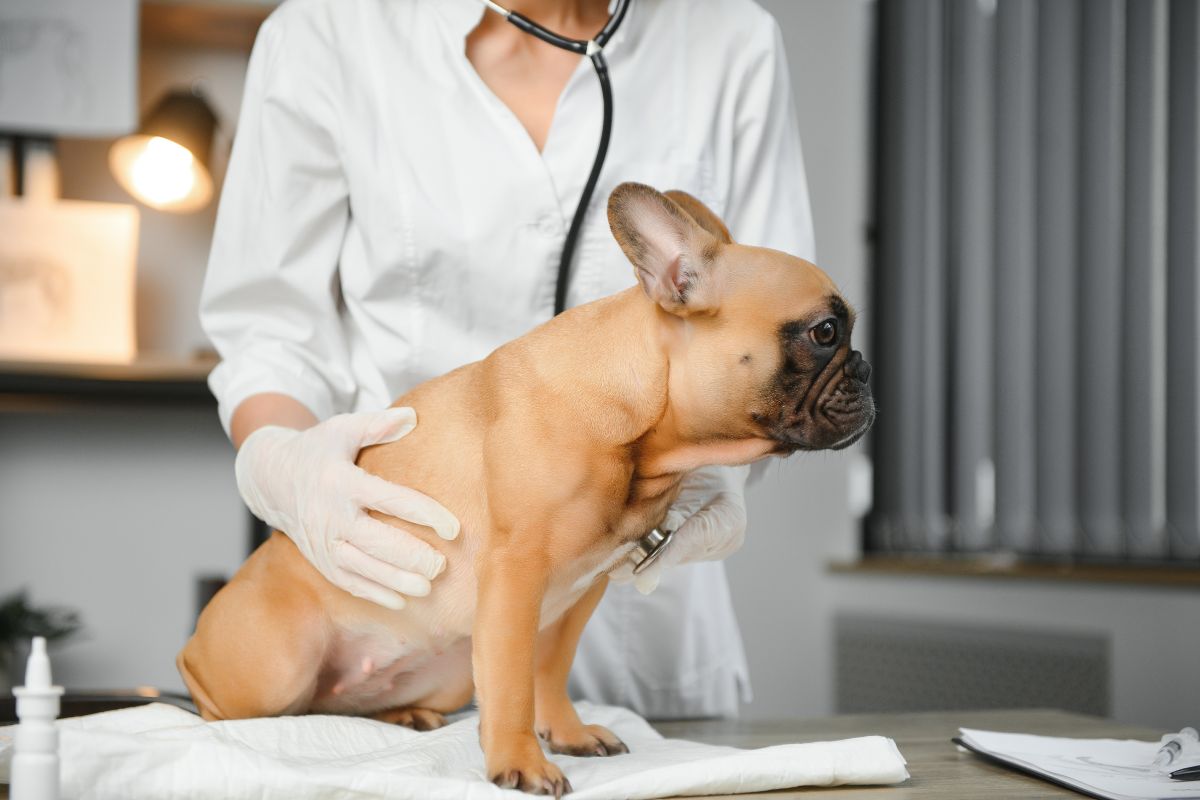
Occasional licking is normal, but when it becomes constant and disruptive, it’s time to take action. If your dog licks to the point of causing sores, or if they focus on one area excessively, it may indicate an underlying condition. Scheduling an appointment for Charlotte vet care allows experts to examine your pet and provide proper treatment. Quick veterinary attention ensures small issues don’t turn into major health concerns.
FAQs About Dogs and Excessive Licking
1. Is it normal for dogs to lick their paws constantly?
Occasional paw licking is normal, but nonstop licking can signal allergies, irritation, or an injury that requires vet attention.
2. Can licking be a sign of pain in dogs?
Yes, dogs often lick painful spots to soothe discomfort. If they target one area repeatedly, it may be linked to an injury or joint issue.
3. Why does my dog lick the couch or floor?
Dogs may be attracted to lingering scents, spills, or flavors. However, compulsive surface licking can also indicate digestive or nutritional problems.
4. Does excessive licking mean my dog has anxiety?
It could. Many anxious dogs use licking to calm themselves. Identifying triggers and providing stress relief can reduce this behavior.
5. Should I stop my dog from licking me?
A few licks are fine, but if it becomes too frequent, gently redirect their attention with toys or playtime to prevent dependency on licking.
6. When should I contact an animal clinic near me for licking issues?
If licking is persistent, causes wounds, or seems linked to pain, contacting your vet promptly is the best step for your pet’s health.
Finding Balance for a Happier Pup
Licking is part of a dog’s natural behavior, but when it becomes excessive, it should not be overlooked. From stress and boredom to allergies and pain, the reasons vary widely. Paying attention to your dog’s triggers, providing stimulation, and seeking Charlotte vet care when needed ensures their health and happiness. Next time you wonder about your pet’s licking, remember that a mix of love, care, and timely help from an animal clinic near me can make all the difference.