New Client? Enjoy Your First Comprehensive Exam for Just $35!



Why Senior Pets May Need More Than Just a Different Diet
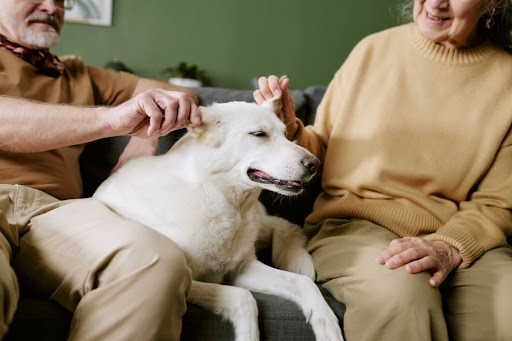
As pets grow older, their nutritional needs can change, but switching to a senior-formulated food is only one part of supporting healthy aging. Older dogs and cats may experience changes in mobility, dental health, organ function, metabolism, behavior, and body condition. These changes can require a broader approach than simply changing what goes into the food bowl. A well-rounded approach to senior pet care considers the pet’s complete health and individual needs.
At Riverbend Veterinary PetCare Hospital, aging pets can be evaluated based on factors such as species, breed, age, lifestyle, medical history, body condition, and current symptoms. Regular veterinary examinations can help identify gradual changes and determine whether adjustments to exercise, dental care, diagnostic screening, medications, or the home environment may be appropriate.
Why Aging Changes More Than Nutrition
Aging is a gradual process that affects different body systems at different rates. Two pets of the same age may have very different health needs.
An older pet may experience:
- Reduced muscle mass
- Changes in metabolism
- Joint stiffness
- Dental disease
- Reduced vision or hearing
- Changes in kidney or liver function
- Weight gain or unintended weight loss
- Changes in sleep or behavior
- Reduced tolerance for strenuous activity
Because of these changes, nutrition should be considered alongside regular health monitoring and lifestyle adjustments.
Weight Management Becomes More Important
Maintaining an appropriate body weight is particularly important as pets age. Older animals may become less active while their energy requirements change. This can make weight gain easier if food intake and activity are not adjusted.
Excess weight can place additional stress on joints and may make mobility more difficult. On the other hand, unexplained weight loss should not automatically be attributed to aging.
A gradual loss of muscle or body weight may be associated with dental problems, gastrointestinal disease, endocrine disorders, kidney disease, or other health conditions.
Veterinary examinations can help distinguish normal changes from signs that require further investigation.
Joint Health Needs Attention
Arthritis and other mobility problems become more common with age. A senior dog may hesitate before climbing stairs, while a cat may stop jumping onto furniture or become less interested in play.
Signs of possible mobility discomfort include:
- Difficulty getting up
- Limping or stiffness
- Reluctance to climb stairs
- Reduced jumping
- Less interest in exercise
- Changes in sleeping locations
- Irritability when handled
Nutrition may support healthy body condition, but it cannot address every cause of mobility changes. Depending on the pet’s condition, a veterinarian may recommend weight management, controlled exercise, environmental modifications, supplements, medications, or other treatment options.
Dental Health Should Not Be Overlooked
Dental disease can become an important concern as pets age. Plaque and tartar can contribute to gum inflammation and periodontal disease, while cats may develop painful conditions such as tooth resorption.
Watch for:
- Persistent bad breath
- Red or swollen gums
- Drooling
- Difficulty chewing
- Dropping food
- Reduced appetite
- Pawing at the mouth
Some dental problems occur below the gumline and cannot be identified through a simple visual check at home. Professional dental evaluation and appropriate imaging may be recommended when indicated.
Routine Screening Can Reveal Hidden Problems
Pets often hide signs of illness, and some age-related conditions may progress before noticeable symptoms appear.
Depending on a pet’s age and health history, a veterinarian may recommend bloodwork, urinalysis, blood pressure measurement, or other diagnostic tests.
These evaluations may provide information about:
- Kidney function
- Liver health
- Blood cell levels
- Blood glucose
- Urinary health
- Metabolic changes
Establishing baseline results can also make it easier to recognize meaningful changes during future examinations.
Behavioral Changes Deserve Attention
An older pet that becomes restless, withdrawn, vocal, confused, or unusually clingy may be experiencing more than a simple personality change.
Behavioral changes can have several possible causes, including pain, sensory decline, anxiety, cognitive changes, or an underlying medical condition.
For example, a cat that suddenly stops using the litter box may have a urinary or mobility problem. A dog that becomes restless at night may have discomfort, anxiety, sensory changes, or another condition requiring evaluation.
Keeping notes about when behavioral changes occur can help a veterinarian identify patterns.
Exercise Should Change With the Pet
Older pets still benefit from physical activity, but exercise should be appropriate for their condition.
A senior dog with stiff joints may benefit from shorter, controlled walks rather than long periods of strenuous activity. Cats can often benefit from gentle interactive play that encourages movement without excessive jumping.
Watch for signs that an activity is too demanding, including excessive fatigue, limping, difficulty breathing, or reluctance to continue.
A veterinarian can help establish an appropriate activity plan based on mobility, weight, cardiovascular health, and other individual factors.
Make the Home Easier to Navigate
Small environmental changes can make daily life more comfortable for aging pets.
Consider:
- Providing supportive, comfortable bedding
- Using ramps where appropriate
- Placing food and water in easily accessible areas
- Keeping litter boxes easy to reach
- Adding nonslip surfaces on slippery floors
- Avoiding unnecessary obstacles
- Maintaining predictable routines
For pets with vision or mobility changes, keeping furniture and important resources in consistent locations can also reduce confusion.
Medication and Supplement Needs May Change
Some older pets develop chronic conditions requiring ongoing medication. Dosages may need to be adjusted as body weight, kidney function, liver function, or other health factors change.
Supplements may also be appropriate in certain situations, but they should not automatically be considered harmless simply because they are marketed for senior pets. Some supplements can interact with medications or may not be appropriate for pets with particular health conditions.
Discuss any new medication, supplement, or major dietary change with your veterinarian.
How Often Should Senior Pets Be Examined?
The appropriate examination schedule varies according to the pet’s species, age, breed, medical history, and current health.
Older pets may benefit from more frequent wellness examinations because changes can develop gradually. Regular visits allow veterinarians to monitor weight, dental health, mobility, behavior, and other indicators over time.
More frequent monitoring does not necessarily mean that a pet is unhealthy. It can provide opportunities to identify and address problems earlier.
A Complete Approach to Healthy Aging
Good senior pet care involves much more than selecting a different food. Nutrition, weight management, dental health, mobility, exercise, diagnostic screening, medication management, behavior, and home comfort all contribute to an aging pet’s quality of life.
For pet owners in Charlotte, NC, schedule your appointment with Riverbend Veterinary PetCare Hospital to discuss an individualized wellness plan for your aging dog or cat.
Frequently Asked Questions
Q1. Does every senior pet need senior-formulated food?
Ans: No. Dietary needs vary according to species, body condition, activity level, medical history, and individual health. A veterinarian can help determine whether a dietary change is appropriate.
Q2. Why is my older pet losing weight?
Ans: Unintentional weight loss can have several causes, including dental disease, digestive problems, metabolic disorders, kidney disease, or other medical conditions. Persistent weight loss should be evaluated by a veterinarian.
Q3. Should older pets exercise every day?
Ans: Most healthy senior pets benefit from regular, age-appropriate activity. The intensity and duration should be adjusted according to mobility, fitness, and medical conditions.
Q4. Is sleeping more normal for an older dog or cat?
Ans: Older pets may sleep more than younger animals, but a significant change in sleep patterns can sometimes indicate pain, illness, anxiety, or cognitive changes. Discuss notable changes with a veterinarian.
Q5. How often should senior pets have veterinary checkups?
Ans: There is no universal schedule for every senior pet. Some may benefit from more frequent examinations depending on age, health history, medications, and current conditions.
Q6. What are signs that my senior pet may be in pain?
Ans: Limping, stiffness, reluctance to jump or climb stairs, reduced activity, changes in grooming, unusual vocalization, withdrawal, and irritability can indicate discomfort. A veterinary examination can help determine the underlying cause.