New Client? Enjoy Your First Comprehensive Exam for Just $35!



Traveling with Your Dog: Tips for a Stress-Free Trip
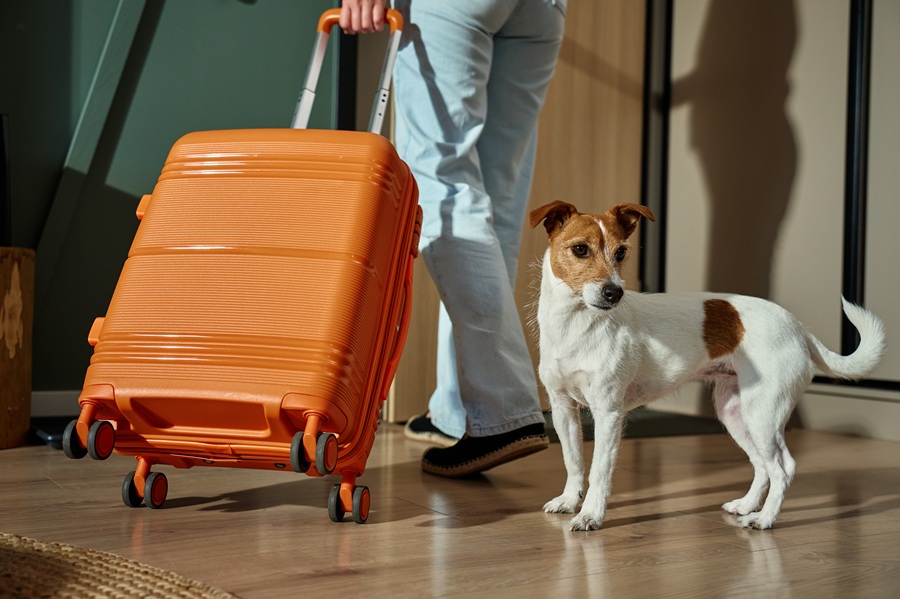
Traveling with your dog can be an exciting adventure, but it also brings challenges. To ensure a stress-free trip, preparation is key. Start by visiting a animal hospital for a wellness check. Your veterinarian in Charlotte can assess your dog’s health and recommend vaccinations or medications required for travel. Moreover, discussing your travel plans will help your vet advise on calming techniques or anti-anxiety options if needed. With proper preparation, your dog will be set for a joyful journey.
Pack Like a Pro: Essentials for Your Dog’s Comfort
Just like humans, dogs have their own travel essentials. From food and water bowls to favorite toys and cozy bedding, bringing familiar items creates a sense of security. Include medical records and any medication your dog needs, especially if you plan to visit places unfamiliar to you both. Packing a small first-aid kit and waste bags ensures you’re ready for any situation. This attention to detail reflects what vets consistently recommend to pet parents aiming for peace of mind on the road.
The Right Ride: Safety First in Transport
Equipping your vehicle with a sturdy crate or a crash-tested pet seatbelt keeps your dog safe while traveling. A veterinarian team emphasizes never to let dogs roam freely in a moving car, as it endangers both pet and driver. For air travel, choose an IATA-approved crate that provides enough space to sit, stand, and turn comfortably. Before the trip, acclimate your dog to their travel carrier by using treats and play sessions to build positive associations. Gradual introduction takes the fear out of new experiences and turns travel from stressful to fun.
Keep Calm and Carry On: Managing Travel Anxiety
Many dogs experience anxiety on trips. To ease your dog’s nerves, maintain familiar routines, such as feeding times and walks. Play calming music or use pheromone diffusers recommended by your Charlotte animal hospital. Giving your dog a chance to expend energy before departure can prevent restlessness during travel. Alongside these techniques, some pets benefit from vet-approved calming supplements or short-term prescribed medications. Always consult your veterinarian before introducing new treatments to ensure safe, effective care.
Pit Stops and Playtime: Making Breaks Count
Regular breaks are essential for your dog’s wellbeing during lengthy car trips. Stop every two to three hours to offer water, bathroom breaks, and a bit of exercise. Stretching legs and sniffing new scents relieve stress and reduce the chance of car sickness. These stops also allow you to observe your dog’s behavior closely and address any discomfort promptly. Traveling with your dog means anticipating and adapting, and many Charlotte vets recommend planning routes with pet-friendly rest areas to keep spirits high along the way.
Arrival and Beyond: Settling into New Surroundings
Upon reaching your destination, help your dog adjust by creating a safe, quiet space with their belongings. Keep feeding schedules steady and maintain regular walks to promote calm. If your stay is longer, visit a local pet clinic for any needed health support or in case of emergency. Good preparation doesn’t stop when the car door opens; ongoing care ensures your dog thrives wherever your travels take you.
FAQs
Q1. When should I take my dog to a vet before traveling?
Ans. Visit a pet clinic several weeks before your trip for a health check and travel advice.
2. What should I pack for my dog during travel?
Ans. Bring familiar bedding, food and water bowls, toys, medical records, and waste bags as recommended by vets.
3. How do I keep my dog safe while driving?
Ans. Use a secure crate or crash-tested pet seatbelt; never let your dog roam freely inside the vehicle.
4. What can I do if my dog has travel anxiety?
Ans. Maintain routines, use calming aids approved by your veterinarian, and ensure ample exercise before travel.
Q5. How often should I take breaks on long car trips?
Ans. Stop every two to three hours for water, bathroom breaks, and exercise to reduce stress and prevent sickness.
Q6. Should I visit a vet at my travel destination?
Ans. Yes, especially for extended stays or emergencies; local animal hospital facilities provide essential support.