New Client? Enjoy Your First Comprehensive Exam for Just $35!



Vet-Recommended Water Additives for Dog Dental Health: Do They Really Work?

Maintaining your dog’s oral health involves much more than keeping their breath fresh. Healthy teeth and gums contribute to overall wellness, while poor dental hygiene can lead to plaque buildup, gum disease, tooth loss, and even health complications affecting major organs. Although regular tooth brushing remains the gold standard for preventing dental disease, many pet owners struggle to brush their dog’s teeth consistently.
As a result, products like water additives have become increasingly popular. They promise fresher breath, reduced plaque, and improved oral health with little effort, simply add them to your dog’s drinking water. But do they actually work, or are they just another pet care trend?
The answer isn’t a simple yes or no. Water additives can be a valuable part of a comprehensive dental care routine, but they are not a replacement for professional dental care or regular brushing. Understanding how these products work, their benefits, and their limitations can help you make informed decisions about your dog’s oral health.
Why Dental Health Matters for Dogs
Dental disease is one of the most common health conditions affecting adult dogs. Plaque begins forming on the teeth shortly after eating. If it isn’t removed, it hardens into tartar, creating an environment where harmful bacteria thrive.
As bacteria accumulate beneath the gumline, dogs may develop gingivitis, periodontal disease, painful infections, loose teeth, and chronic discomfort. In advanced cases, oral bacteria may enter the bloodstream and potentially affect the heart, kidneys, and liver.
Because dental disease often progresses gradually, many dogs continue eating normally while silently experiencing discomfort. That’s why preventive dental care is so important.
What Are Water Additives?
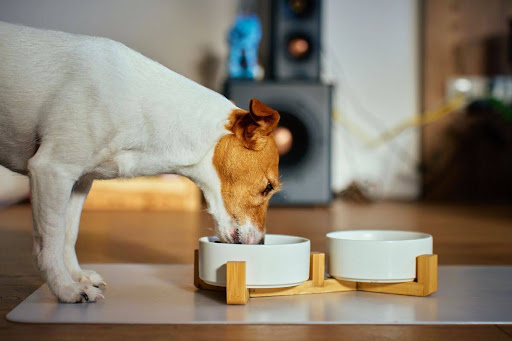
Water additives are liquid oral hygiene products designed to be mixed into your dog’s drinking water. They contain ingredients intended to reduce bacteria, minimize plaque buildup, control tartar formation, and improve breath odor.
Unlike dental treats or chew toys that work through mechanical cleaning, water additives rely on active ingredients that interact with bacteria throughout the mouth.
Most products are flavorless or lightly flavored so dogs continue drinking normally.
How Do Water Additives Work?
Every product contains different ingredients, but most water additives work by targeting the bacteria responsible for plaque formation and unpleasant breath.
Some formulas include:
- Antimicrobial ingredients that help reduce harmful bacteria
- Enzymes that support cleaner teeth
- Mild cleansing agents
- Zinc compounds that neutralize odor-causing bacteria
- Ingredients that help slow plaque accumulation
Because dogs drink water throughout the day, these products provide repeated exposure to the active ingredients, helping maintain a cleaner oral environment between regular dental care routines.
Do Water Additives Really Work?
The short answer is yes, but with realistic expectations.
Scientific evidence suggests that certain veterinary-approved water additives can help reduce bacteria and improve breath. Some products may also slow plaque and tartar accumulation when used consistently.
However, water additives cannot:
- Remove hardened tartar
- Reverse periodontal disease
- Replace daily brushing
- Eliminate the need for professional dental cleanings
Instead, they work best as an additional preventive tool.
Think of them as one piece of a complete dental care plan rather than a standalone solution.
Benefits of Water Additives
When used appropriately, water additives offer several advantages.
Easy to Use
One of their biggest benefits is convenience. Simply measure the recommended amount and add it to your dog’s water bowl according to the manufacturer’s instructions.
Supports Fresher Breath
Many owners notice improved breath after regular use because odor-causing bacteria decrease.
Helps Reduce Plaque Formation
Although brushing remains more effective, some water additives may help slow the buildup of new plaque.
Encourages Daily Dental Maintenance
Since dogs drink water every day, owners are more likely to maintain a consistent oral hygiene routine.
Useful for Dogs That Resist Brushing
Some dogs simply refuse tooth brushing despite patient training. While brushing should still be encouraged, water additives provide another layer of support.
Their Limitations
Even the best water additives have important limitations.
They cannot physically scrub plaque from the surface of the teeth. They also cannot clean beneath the gumline where periodontal disease develops.
Furthermore, severely diseased teeth require professional treatment. Waiting too long while relying only on over-the-counter products may allow dental disease to worsen.
Therefore, water additives should complement, not replace, routine dental care.
Choosing the Right Water Additive
Not every product on the market offers the same level of quality or effectiveness.
When selecting a water additive, consider the following:
- Look for products developed specifically for dogs.
- Follow dosage instructions carefully.
- Choose products recommended by veterinarians.
- Review ingredient lists for safety and transparency.
- Avoid products containing ingredients your veterinarian advises against for your dog’s specific health needs.
Dogs with chronic illnesses, kidney disease, or unique medical conditions may require individualized recommendations before starting any oral care product.
Building a Complete Dental Care Routine
Healthy mouths require a combination of preventive measures rather than relying on one product alone.
An effective routine includes:
Daily Tooth Brushing
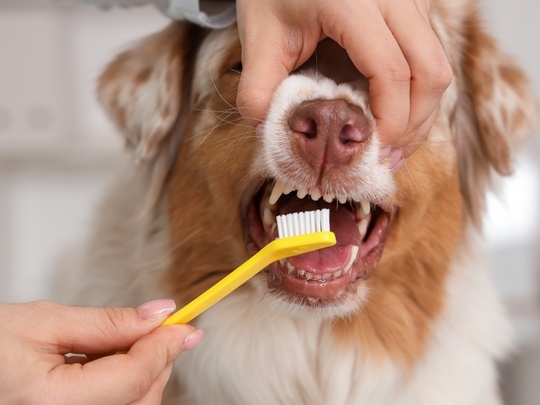
Brushing remains the most effective way to remove plaque before it hardens.
Veterinary Dental Exams
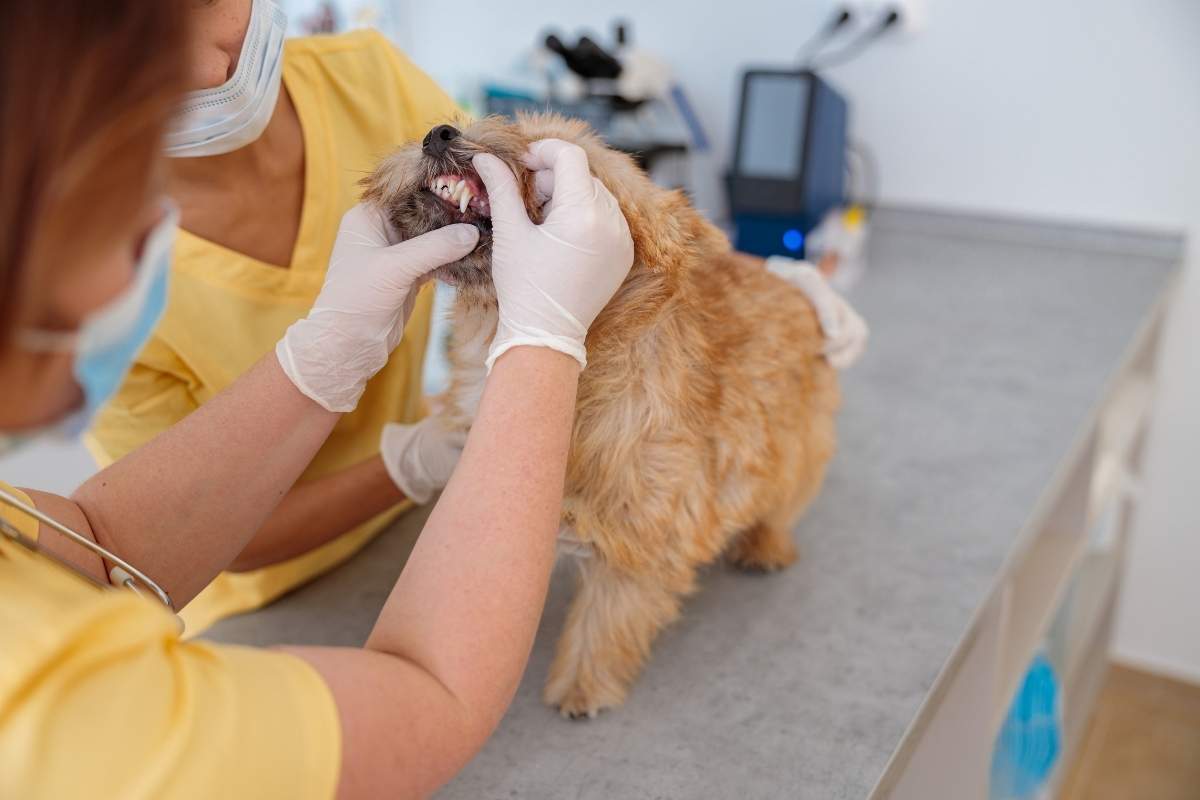
Routine oral examinations allow early detection of dental disease before significant damage occurs.
Professional Dental Cleanings
Professional cleanings remove tartar above and below the gumline, something home care cannot accomplish.
Dental Diets and Chews
Some specially formulated diets and dental chews provide additional mechanical cleaning that helps reduce plaque.
Water Additives
Water additives fit into this routine as a supportive measure that helps maintain oral hygiene between brushing sessions.
Together, these strategies provide a more complete approach to lifelong dental health.
Signs Your Dog May Need a Dental Examination
Even with excellent home care, dental problems can still develop.
Watch for signs such as:
- Persistent bad breath
- Yellow or brown tartar
- Red or swollen gums
- Bleeding gums
- Difficulty chewing
- Dropping food while eating
- Pawing at the mouth
- Loose teeth
- Decreased appetite
If you notice any of these symptoms, schedule a veterinary examination promptly.
Water additives can be a helpful addition to your dog’s oral hygiene routine when used consistently and alongside other preventive measures. They may reduce bacteria, improve breath, and slow plaque buildup, but they cannot replace brushing or professional dental care. The healthiest mouths result from combining daily home care with regular veterinary dental evaluations.
If you’re looking for veterinary guidance on dog dental care in Charlotte, NC, contact Riverbend Veterinary PetCare Hospital. Our team can recommend safe, effective dental products and create a personalized oral health plan that keeps your dog’s teeth and gums healthy for years to come.
Frequently Asked Questions
Q1. Are water additives safe for all dogs?
Ans. Most veterinarian-recommended water additives are safe for healthy dogs when used as directed. However, dogs with certain medical conditions should be evaluated before starting any new dental product.
Q2. Can water additives replace brushing my dog’s teeth?
Ans. No. Tooth brushing remains the most effective method for removing plaque. Water additives should be used as a supplement rather than a replacement.
Q3. How long does it take for water additives to work?
Ans. Some owners notice fresher breath within a few weeks. Reducing plaque buildup generally requires consistent, long-term use alongside other dental care practices.
Q4. Can puppies use water additives?
Ans. Some products are suitable for puppies above a certain age, while others are intended only for adult dogs. Always follow the manufacturer’s recommendations and consult your veterinarian.
Q5. What if my dog refuses to drink water with the additive?
Ans. Some dogs may need a gradual introduction. If your dog consistently avoids the treated water, discontinue use and discuss alternative dental care options with your veterinarian.
Q6. How often should my dog receive professional dental cleanings?
Ans. The ideal schedule varies based on your dog’s breed, age, genetics, and oral health. Your veterinarian can recommend an appropriate cleaning schedule after evaluating your dog’s teeth and gums.