New Client? Enjoy Your First Comprehensive Exam for Just $35!


What Foods Are Safe for a New Puppy? A Guide Every Pet Parent Needs
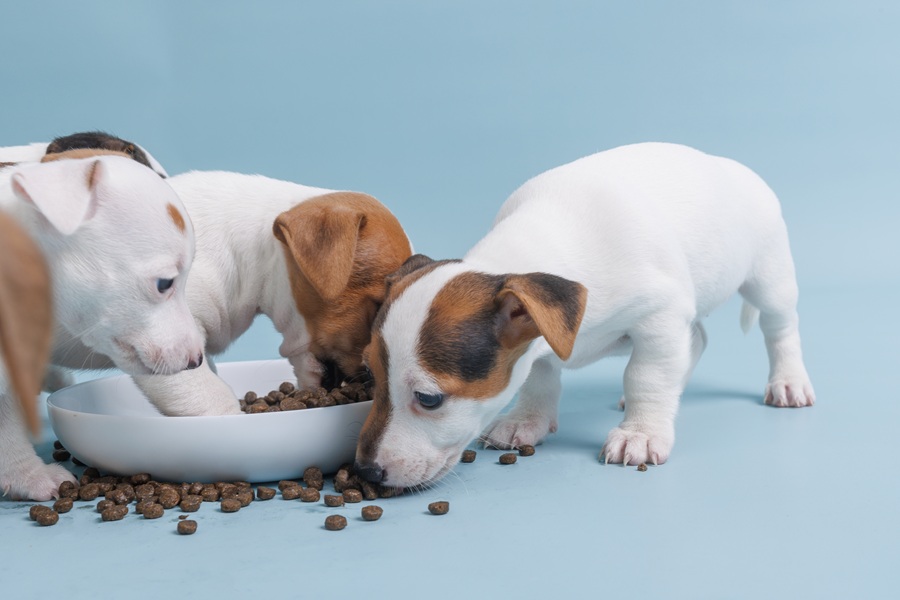
Welcoming a playful little pup into your home is pure joy. But between the cuddles and playtime, one big question always pops up: What can I feed my puppy safely? Puppies grow quickly, and their diet influences everything from bone strength to brain development. Choosing the right foods sets the foundation for a lifetime of good health.
This is where guidance from your Charlotte vet becomes invaluable. Balanced nutrition helps your puppy grow strong, playful, and full of life—while the wrong food can lead to tummy troubles or even long-term health risks.
Your Puppy’s Menu: Safe and Nutritious Options
1. Protein Power: The Muscle Builders
Cooked chicken, turkey, and lean beef are excellent sources of protein. Remove bones, seasoning, and skin before serving. Protein fuels growth and energy, which puppies need in abundance. Eggs, when cooked, are also safe and offer a protein-packed breakfast for your furry pal.
2. Fruity Delights: Nature’s Sweet Treats
Yes, puppies can enjoy fruit—but in moderation. Apples (without seeds), banana slices, blueberries, and watermelon chunks are safe and fun snacks. Fruits offer natural vitamins to strengthen immunity and support healthy skin.
3. Veggie Crunch: A Healthy Side Dish
Carrots, cucumber slices, green beans, and sweet potatoes make excellent low-calorie treats. They also double as teething aids, especially chilled carrot sticks. Plus, these veggies are high in fiber, which supports digestion.
4. Wholesome Grains: Energy Boosters
Not all grains are bad. Brown rice, oatmeal, and small amounts of plain pasta give puppies long-lasting energy. These are especially good for active breeds that run around your backyard all day.
5. Dog-Specific Snacks: Treats with Purpose
While sharing human snacks feels tempting, dog-specific treats are the safest bet. Puppy-formulated treats are designed with the right balance of nutrients and portion sizes, ensuring no excess sugar or fat sneaks in.
Red-Alert Foods: Never Feed These to Puppies
Despite their pleading eyes, there are some foods you should never share. According to a top veterinary clinic in Charlotte, the following are harmful—even in tiny amounts:
- Chocolate and cocoa (toxic due to theobromine)
- Grapes and raisins (can cause kidney issues)
- Garlic and onions (damage red blood cells)
- Avocado (contains persin, unsafe for dogs)
- Xylitol (common in sugar-free candy, very toxic)
- Cooked bones (splinter easily and may injure your puppy)
If an accident happens and your pup swallows something off this list, call your Charlotte vet immediately for help. Early intervention can save your puppy’s life.
Transitioning to Solid Food: A Step-by-Step Guide
For the first 4 weeks of life, puppies rely on their mother’s milk or a milk replacement formula. Around week 4, you can begin mixing soft puppy kibble with warm water or puppy formula to create a mushy consistency. Slowly reduce the liquid until your puppy is fully comfortable with solid foods by 8 weeks.
Transitioning gradually prevents digestive upset and helps your puppy adjust comfortably. Think of it just like introducing a baby to new flavors—slow and gentle is always better.
Tailored Diets: Why Every Puppy is Different
Just like humans, not every puppy has the same needs. Breed, size, and energy levels all play a role in what diet works best. A Husky puppy will require more calories than a small Yorkie, even if they’re both growing. That’s why consulting your Charlotte vet is critical. With personalized guidance, you’ll avoid underfeeding, overfeeding, or unintentionally choosing the wrong foods.
FAQs: Answering Puppy Parent Concerns
Q1. Can I give my puppy cow’s milk?
Ans. Not recommended—most puppies become lactose intolerant after weaning. Water and specially formulated puppy milk are safer choices.
Q2. Are eggs safe for puppies?
Ans. Yes, cooked eggs without seasoning are a healthy protein treat. Avoid raw eggs due to bacteria risks.
Q3. Can I give my puppy peanut butter?
Ans. Yes, but choose natural, unsalted peanut butter without xylitol, which is toxic to dogs.
Q4. How many times a day should I feed my puppy?
Ans. Feed small breeds 3–4 times daily. Medium to large breeds can manage 3 times, depending on age and energy levels.
Q5. Can puppies eat raw meat safely?
Ans. Raw diets remain controversial. While some believe in their benefits, they pose risks of bacteria and imbalance. Always ask your Charlotte vet before considering it.
Q6. When should I switch to adult food?
Ans. Typically around 12 months. However, larger breeds may need longer on puppy food. A veterinary clinic in Charlotte can provide breed-specific advice.
Final Thoughts: Feeding with Love and Care
Feeding your puppy isn’t just about meals—it’s about nurturing their growth, health, and happiness. Safe, nutrient-packed food ensures their playful tail never stops wagging. By choosing wisely and working with your trusted Charlotte vet, you’ll create a diet that supports every stage of your pup’s journey.
When in doubt, remember: a well-fed puppy isn’t just healthier—they’re happier. A good diet today paves the way for endless snuggles, games, and adventures tomorrow.