New Client? Enjoy Your First Comprehensive Exam for Just $35!



Dog Vomiting Causes and Treatments: Essential Guide for Every Pet Owner

Seeing your dog vomit can be alarming, especially when you’re not sure what’s causing it or how serious it is. This guide breaks down the most common dog vomiting causes, what to do at home, when to worry, and how veterinarians diagnose and treat stomach issues. Whether it’s mild indigestion or a sign of something more serious, you’ll learn how to protect your pet’s health and know when to seek care from an animal hospital near you. This article also covers treatments, prevention tips, and how pet diagnostic care helps pinpoint underlying problems quickly.
What Causes Vomiting in Dogs?
Vomiting is the body’s natural way of removing harmful or irritating substances. While some cases are mild and temporary, others can signal deeper health issues. Understanding common dog vomiting causes helps you act quickly and appropriately.
Dietary Indiscretion (Eating Something They Shouldn’t)
This is the most common cause of vomiting in dogs. Many dogs eat trash, table scraps, spoiled food, or foreign objects.
Signs include:
- Sudden vomiting
- Possible diarrhea
- Loss of appetite
- Mild abdominal discomfort
If vomiting persists, professional care is needed to check for blockage or toxin exposure.
Food Allergies or Sensitivities
New foods, treats, or changes in diet can disrupt digestion. Dogs with food allergies often experience:
- Chronic intermittent vomiting
- Itchy skin
- Ear infections
- Gas or bloating
A vet may recommend a limited-ingredient diet for diagnosis.
Infections (Viral or Bacterial)
Dogs can contract infections that upset their stomach, such as parvovirus, leptospirosis, or bacterial contamination.
Common symptoms:
- Vomiting and diarrhea
- Lethargy
- Fever
Puppies, senior dogs, and unvaccinated pets are at higher risk.
Pancreatitis
Pancreatitis causes severe inflammation and can be triggered by high-fat meals.
Common symptoms include:
- Repeated vomiting
- Abdominal pain (prayer position)
- Loss of appetite
- Diarrhea
It requires immediate veterinary care.
Parasites
Worms such as roundworms, hookworms, and whipworms can cause vomiting, weight loss, and digestive upset.
A fecal exam at your vet can confirm and treat parasite infections.
Toxins or Poisoning
Dogs that ingest toxic plants, chemicals, medications, or human foods may vomit as a first sign.
Emergency toxins include:
- Grapes and raisins
- Chocolate
- Xylitol gum
- Medications
- Household cleaners
Seek urgent care if poisoning is suspected.
Foreign Object Blockage
A swallowed toy, bone, sock, or stick can get stuck in the stomach or intestines.
Look for:
- Persistent vomiting
- Inability to keep food or water down
- Bloated abdomen
- Weakness
Blockages need immediate pet diagnostic imaging and surgery.
Motion Sickness
Some dogs vomit in the car due to anxiety or motion sensitivity.
Training, anti-nausea medications, and short conditioning drives help.
Dog Vomiting vs. Regurgitation: What’s the Difference?
Knowing the difference helps you and your vet identify the underlying cause.
Regurgitation
- Passive
- Happens soon after eating
- No abdominal effort
- Food is undigested
Vomiting
- Includes retching and heaving
- Often preceded by nausea
- Food may be partially digested
- Can include bile or foam
If you aren’t sure what your dog is experiencing, record a video for your veterinarian.
Common Signs That Accompany Dog Vomiting
Sometimes vomiting appears with other symptoms that provide clues to the cause.
Look for changes such as:
- Diarrhea (common with infections or diet changes)
- Drooling or lip licking (nausea)
- Loss of appetite
- Restlessness or discomfort
- Dehydration
- Lethargy
If your dog is vomiting and has diarrhea, it may indicate an infection, parasites, or digestive inflammation.
When to Worry About Dog Vomiting
Some cases require emergency care. Contact your nearest veterinarian if your dog shows:
Emergency Warning Signs
- Vomiting for more than 24 hours
- Blood in vomit or stool
- Vomiting along with collapse or extreme weakness
- Swollen or tight abdomen
- Suspected toxin ingestion
- Inability to keep water down
- Vomiting in puppies or senior dogs
- Multiple episodes within a few hours
Prompt medical care helps prevent dehydration, electrolyte imbalances, and serious complications.
Dog Vomiting Treatment: What Vets Do
In Charlotte, Veterinarians use pet diagnostic care to determine the exact cause and create a treatment plan.
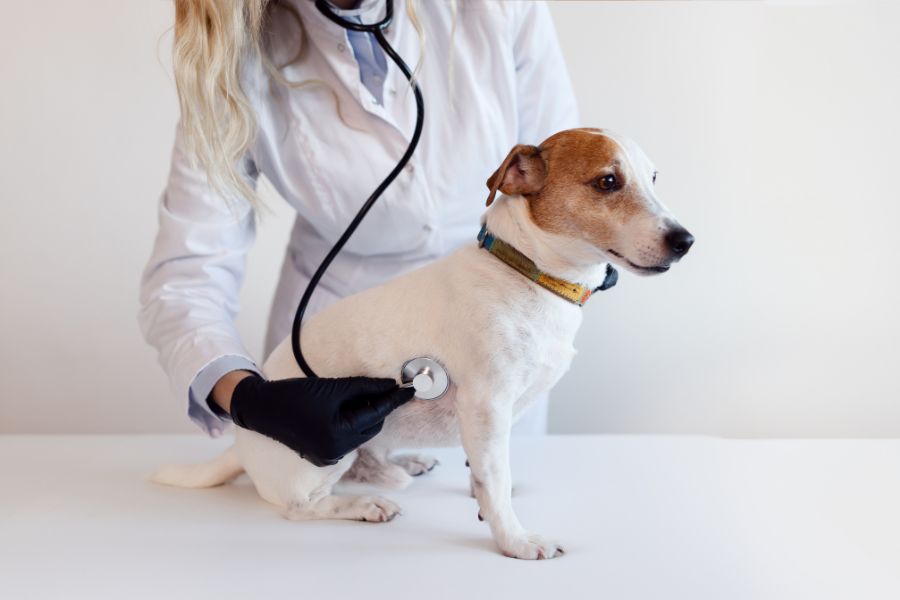
Step 1 – Physical Examination
Your vet checks hydration, abdominal sensitivity, gum color, temperature, and overall condition.
Step 2 – Diagnostic Tests
Depending on the symptoms, your vet may recommend:
- Bloodwork to check organ function
- X-rays to rule out foreign objects
- Ultrasound for digestive inflammation
- Fecal exam for parasites
- Parvo test (for puppies)
- Urinalysis
These tests help identify underlying issues quickly.
Step 3 – Treatment Options
Treatment depends on what’s causing the vomiting.
Common veterinary treatments include:
- Anti-nausea medication
- Fluid therapy
- Probiotics
- Deworming
- Pain control
- Prescription diets
- Surgery (for blockages)
Home Remedies for Mild Dog Vomiting
If your dog has a minor upset stomach and no emergency symptoms, you can try simple home care.
Withhold Food Temporarily
Give the stomach time to settle (skip one meal only unless your vet advises otherwise).
Offer Bland Foods
Start with small portions of:
- Boiled chicken (no seasoning)
- White rice
- Plain pumpkin
- Low-sodium broth
Keep Your Dog Hydrated
Offer small amounts of water frequently. Add ice cubes to slow drinking if needed.
Avoid These
- Over-the-counter human medications
- Fatty foods
- Sudden diet changes
- Raw or spoiled foods
If vomiting continues after home care, contact your veterinarian.
How to Prevent Dog Vomiting
Prevention reduces the risk of stomach problems and keeps your dog healthy long-term.
Key prevention tips include:
- Stick to a consistent diet
- Avoid giving table scraps
- Store trash securely
- Keep toxic foods and plants away
- Maintain regular deworming
- Schedule annual exams
- Introduce new foods slowly
- Prevent rapid eating with slow-feeder bowls
Dogs with chronically sensitive stomachs may need veterinary-recommended diets.
How Pet Diagnostic Care Helps Identify Issues
Advanced diagnostics provide clarity when vomiting is persistent or severe.
Benefits of veterinary diagnostics include:
- Early detection of organ issues
- Confirmation of infections
- Identification of blockages
- Accurate diagnosis of pancreatitis
- Monitoring hydration and electrolytes
This ensures your dog gets the right treatment quickly and safely.
Conclusion:
Dog vomiting can range from a simple upset stomach to a sign of serious health conditions. Knowing the causes, warning signs, and treatment options helps you act fast and keep your dog safe. If vomiting persists or severe symptoms appear, always seek professional veterinary care for proper diagnosis and treatment.
Suppose you are conveniently located in Charlotte, NC, and searching for the best animal hospital near me. In that case, Riverbend Veterinary PetCare Hospital is the right choice for compassionate, advanced, and reliable pet care.
FAQs
Q1: What are the most common causes of dog vomiting?
Ans: Most vomiting in dogs is caused by dietary indiscretion, food sensitivities, infections, parasites, toxins, or stomach inflammation. Sometimes it’s mild, but persistent vomiting may indicate something more serious.
Q2: When should I worry about dog vomiting?
Ans: Worry when your dog vomits repeatedly, shows blood in vomit, becomes weak, can’t keep water down, or has a swollen belly. Puppies and senior dogs need immediate vet care if they vomit.
Q3: What should I feed my dog after vomiting?
Ans: Offer bland foods such as boiled chicken, rice, and plain pumpkin once vomiting stops for several hours. Start with small amounts and gradually return to regular food within 24–48 hours.
Q4: How do vets diagnose the cause of vomiting?
Ans: Vets use physical exams, blood tests, X-rays, ultrasounds, and fecal tests. These tools help identify infections, blockages, organ issues, or dietary problems.
Q5: Can dehydration occur from dog vomiting?
Ans: Yes. Vomiting can quickly lead to dehydration, especially in puppies or during repeated episodes. Signs include dry gums, sunken eyes, and lethargy — all requiring immediate veterinary attention.