New Client? Enjoy Your First Comprehensive Exam for Just $35!

A Pet Owner’s Guide to Finding the Right Veterinary Surgeon near you
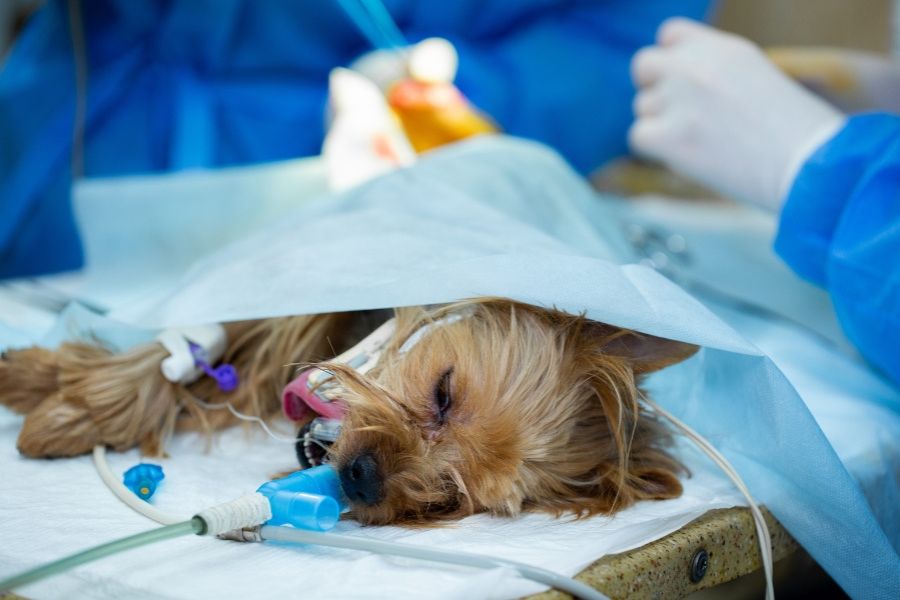
Finding the right veterinary surgeon can feel overwhelming, especially when your pet’s health is on the line. From understanding surgical specialties to choosing the right animal hospital in Charlotte, knowing what to look for makes all the difference. This guide explains how pet owners can confidently select a board-certified veterinary surgeon who meets both medical and emotional needs.
Why Choosing the Right Veterinary Surgeon Matters
Veterinary surgery often involves complex procedures that require advanced training, precision, and experience. Whether your pet needs orthopedic surgery, soft tissue repair, or emergency care, the surgeon’s expertise directly affects recovery outcomes and quality of life.
A qualified veterinary surgeon does more than perform surgery. They:
- Accurately diagnose conditions using advanced imaging and testing
- Explain treatment options clearly to pet owners
- Use modern surgical techniques to reduce pain and recovery time
Choosing carefully ensures your pet receives safe, effective, and compassionate care.
What Is a Board Certified Veterinary Surgeon
A board-certified veterinary surgeon has completed extensive education beyond veterinary school. This includes:
- Several years of specialized surgical residency training
- Hundreds of supervised surgical procedures
- Rigorous board examinations through recognized veterinary colleges
This certification indicates advanced knowledge in areas such as orthopedic surgery, neurosurgery, and complex soft tissue procedures. For pet owners searching for a veterinary surgeon near me, board certification is one of the strongest indicators of expertise and reliability.
How to Search for a Veterinary Surgeon Near You
When starting your search, focus on both convenience and credentials. Proximity matters, but quality of care should always come first.
Key factors to evaluate
- Credentials and certifications: Verify board certification and licensing
- Hospital facilities: Look for advanced diagnostic tools, surgical suites, and post operative care
- Experience: Ask about the surgeon’s experience with your pet’s specific condition
- Reputation: Read reviews and ask your local veterinarian for referrals
An established animal hospital near you often provides access to specialized surgeons and comprehensive support services under one roof.
Understanding Surgical Specialties for Pets
Not all veterinary surgeons specialize in the same procedures. Knowing the difference helps you choose the right expert.
Orthopedic surgery
This includes procedures for:
- Torn ligaments
- Fractures
- Joint conditions such as hip dysplasia
Soft tissue surgery
Covers surgeries involving:
- Organs
- Tumors
- Internal injuries
Emergency and trauma surgery
Performed in urgent situations such as accidents or sudden illness, requiring immediate intervention.
Matching your pet’s condition with the surgeon’s specialty improves surgical success and recovery.
The Role of the Animal Hospital in Surgical Care
The quality of the animal hospital in Charlotte you choose is just as important as the surgeon. A well-equipped hospital supports the entire surgical process.
What to look for in a hospital
- Advanced imaging like digital X rays and ultrasound
- Modern anesthesia monitoring systems
- Dedicated recovery and intensive care units
- Trained nursing and support staff available around the clock
Hospitals that invest in technology and staff training provide safer surgeries and smoother recoveries.
Questions Every Pet Owner Should Ask
Before committing to surgery, ask thoughtful questions to ensure confidence and clarity.
- What surgical options are available for my pet’s condition
- What risks and complications should I be aware of
- How long is the expected recovery period
- What pain management protocols are used
- Will follow-up care and rehabilitation be required
A skilled veterinary surgeon in Charlotte should welcome these questions and answer them clearly.
Preparing Your Pet for Surgery
Preparation plays a critical role in surgical outcomes. Follow all pre-surgery instructions provided by the hospital.
Common preparation steps
- Fasting before anesthesia
- Adjusting medications if needed
- Running pre-surgical blood work
Preparing your pet properly reduces risks and helps the surgical team tailor anesthesia and care plans effectively.
Post Surgery Care and Recovery
Recovery does not end when your pet leaves the hospital. Proper aftercare ensures healing and comfort.
Postoperative care includes
- Pain management and medication schedules
- Restricted activity or physical therapy
- Monitoring incision sites for infection
- Follow-up visits to assess healing
Clear discharge instructions and accessible support from the animal hospital in Charlotte help pet owners manage recovery with confidence.
Balancing Cost and Quality of Care
Veterinary surgery can be a significant investment, but cost should never be the sole deciding factor. High-quality surgical care often reduces the risk of complications and repeat procedures.
Ask for:
- Transparent estimates
- Detailed explanations of what is included
- Payment options or pet insurance compatibility
Investing in a board-certified veterinary surgeon often results in better long-term outcomes for your pet.
Conclusion
Choosing the right veterinary surgeon near you requires careful research, informed questions, and trust in both the surgeon and the facility. By focusing on credentials, hospital quality, and compassionate communication, pet owners can make confident decisions that support their pet’s health and recovery. For expert surgical care and comprehensive support, pet owners in Charlotte, NC can trust Riverbend Veterinary PetCare Hospital to provide advanced treatment and compassionate service. Schedule a consultation today and ensure your pet receives the care they deserve.
FAQs
Q1: How do I know if I need a board-certified veterinary surgeon?
Ans: If your pet requires complex or specialized surgery, a board-certified veterinary surgeon offers advanced training and experience that can improve outcomes.
Q2: What is the difference between a general veterinarian and a veterinary surgeon?
Ans: General veterinarians handle routine care, while veterinary surgeons specialize in advanced surgical procedures requiring additional training.
Q3: How long does it take for pets to recover from surgery?
Ans: Recovery times vary depending on the procedure, but most pets need several weeks of rest and follow-up care.
Q4: Is it better to choose a local animal hospital in Charlotte for surgery?
Ans: Yes, local hospitals offer convenience for follow-up visits and emergency care, which is important during recovery.
Q5: What should I bring to my pet’s surgical consultation?
Ans: Bring medical records, current medications, and a list of questions to help the veterinary surgeon create the best treatment plan.