New Client? Enjoy Your First Comprehensive Exam for Just $35!



Top 6 Veterinary Services Every Pet May Need
Pets need consistent, reliable veterinary care to stay healthy through every stage of life. From early puppy visits to senior wellness support, certain veterinary services are essential for pets to live long, comfortable lives. In this guide, we’ll cover top six veterinary services every pet may need, why they matter, and how they support your pet’s overall well-being.
Why Routine Veterinary Care Matters for Pets
Charlotte is a pet-friendly city with dog parks, greenways, and an active outdoor lifestyle. While that’s great for pets, it also increases exposure to parasites, seasonal allergies, and preventable diseases common in the Carolinas. Regular veterinary care helps catch problems early, reduce long-term costs, and keep pets thriving at every life stage.
Whether you’re a new pet owner or have had pets for years, understanding the core veterinary services every pet needs can make a real difference in their quality of life.
1. Pet Preventative Care
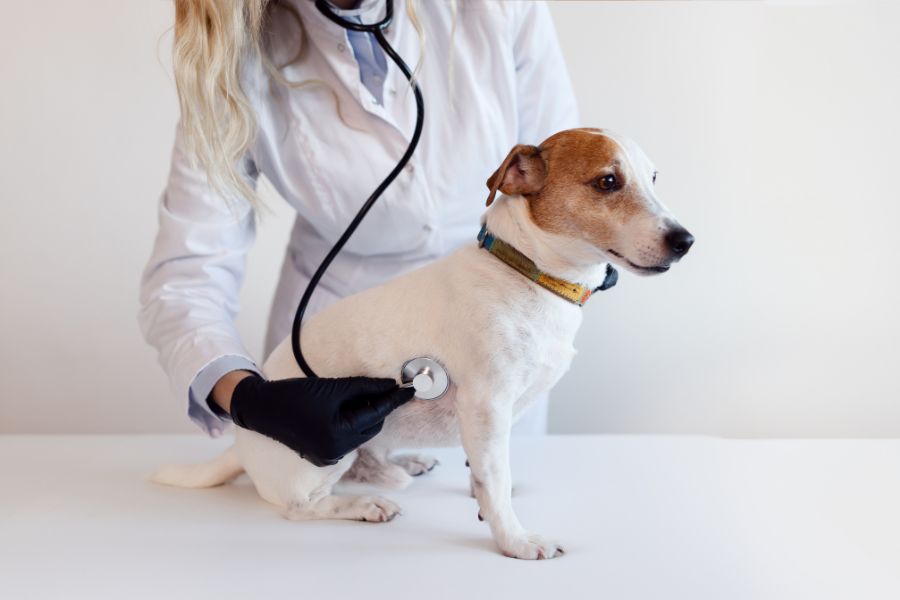
Pet preventative care is the cornerstone of a healthy life. Regular wellness visits help veterinarians monitor your pet’s overall condition and prevent minor issues from becoming serious health problems.
Preventative care often includes:
- Routine physical exams
- Vaccinations based on lifestyle and risk
- Parasite prevention recommendations
- Nutrition and weight management guidance
In Charlotte, year-round parasite prevention and regular checkups are especially important due to the region’s climate. Preventative care helps pets stay active, comfortable, and protected throughout the year.
Why it’s important: Preventive care reduces illness, lowers long-term costs, and supports a longer, healthier life.
2. Pet Diagnostic Care
When pets show signs of illness, pet diagnostic care helps uncover what’s happening beneath the surface. Since pets can’t explain their symptoms, diagnostic tools play a critical role in accurate treatment.
Common diagnostic services include:
- Blood and lab testing
- Urinalysis and fecal exams
- Digital X-rays and imaging
- Monitoring chronic conditions
Pet diagnostic care is often used during wellness exams, before surgery, or when pets show changes in appetite, behavior, or energy levels.
Why it’s important: Early and accurate diagnosis leads to faster treatment and better outcomes for pets.
3. Pet Dental Care
Pet dental care is often overlooked, yet dental disease is one of the most common health problems in dogs and cats. Poor oral health can cause pain, infections, and even damage to vital organs.
Dental care services may include:
- Oral exams and professional cleanings
- Dental X-rays
- Treatment for gum disease
- Guidance on at-home dental hygiene
Why it’s important: Healthy teeth and gums help prevent pain, bad breath, and serious internal health issues.
4. Senior Pet Care
As pets age, their needs change. Senior pet care focuses on comfort, mobility, and early detection of age-related conditions.
Senior care typically involves:
- More frequent wellness exams
- Monitoring for arthritis, heart disease, and kidney issues
- Adjusted nutrition and lifestyle recommendations
- Pain management strategies
Senior pets benefit from proactive care that helps them stay active and comfortable despite changing health needs.
Why it’s important: Specialized senior care improves quality of life and helps pets age gracefully.
5. Puppy & Kitten Care
The first year of life is critical for long-term health. Puppy & kitten care sets the foundation for a strong immune system and healthy development.
Early-life veterinary care includes:
- Initial wellness exams
- Core vaccinations
- Growth and behavior guidance
- Nutrition and training advice
Charlotte pet owners benefit from early education on parasite prevention, socialization, and routine care to help young pets grow into healthy adults.
Why it’s important: Proper early care reduces health risks and supports lifelong wellness.
6. Veterinary Surgery
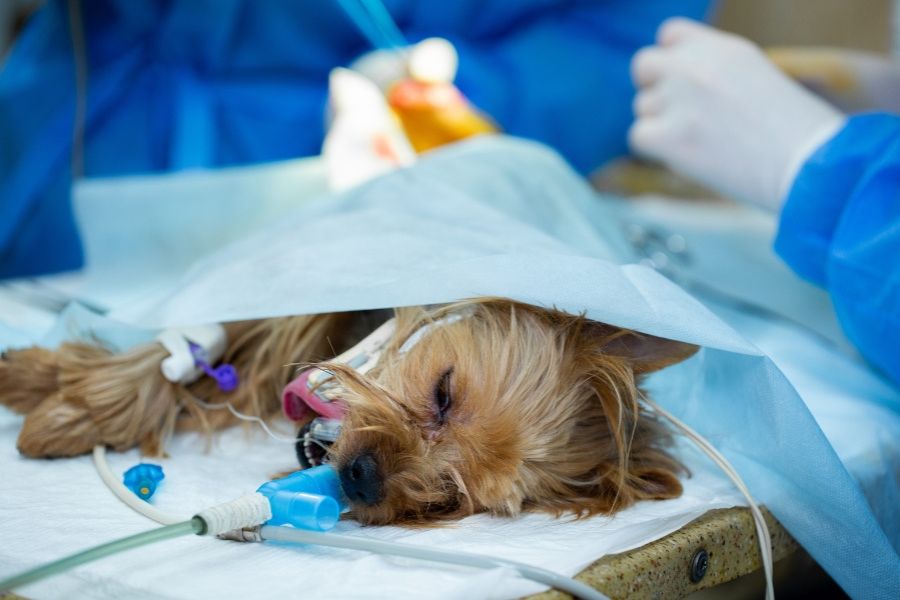
Veterinary surgery is an essential service for both routine and unexpected medical needs. From planned procedures to necessary medical interventions, surgical care supports pet health at many stages of life.
Surgical services may include:
- Spay and neuter procedures
- Mass or growth removal
- Soft tissue surgery
- Medically necessary corrective procedures
Access to safe, professional veterinary surgery ensures pets receive timely treatment when needed.
Why it’s important: Surgical care can improve comfort, prevent complications, and in some cases, save lives.
Choosing the Right Veterinary Hospital
When selecting a veterinary clinic in Charlotte, look for a team that offers comprehensive services, clear communication, and personalized care. A clinic familiar with local health risks, seasonal concerns, and pet-friendly lifestyle can better support your pet’s needs.
Riverbend Veterinary PetCare Hospital serves the Charlotte community with a full range of preventive, diagnostic, and treatment services designed to support pets at every stage of life.
Conclusion
Providing your pet with the right veterinary services is one of the most important responsibilities of pet ownership. From preventive care to veterinary surgery, these six veterinary services help ensure a healthier, happier life for your furry companion.
If you want to give your pet the best care possible, schedule a wellness visit today at Riverbend Veterinary PetCare Hospital to discuss your pet’s health needs and create a personalized care plan.
FAQs
Q1: What does pet preventative care include?
Ans: Pet preventative care includes routine exams, vaccinations, parasite prevention, and health screenings to prevent illness
Q2: When is pet diagnostic care necessary?
Ans: Diagnostic care is used when pets show signs of illness or during routine exams to detect hidden health issues early.
Q3: How often should pets receive dental care?
Ans: Most pets benefit from annual dental exams, with professional cleanings recommended based on oral health.
Q4: At what age is a pet considered a senior?
Ans: Dogs and cats are generally considered seniors around age seven, though this can vary by breed and size.
Q5: Why is puppy and kitten care so important?
Ans: Early veterinary care supports healthy growth, disease prevention, and proper development during a pet’s most critical life stage.