New Client? Enjoy Your First Comprehensive Exam for Just $35!



Cat Dental Care for Newly Adopted Rescue Cats: What to Know

Bringing a rescue cat home is an exciting experience, but it also comes with an important responsibility: understanding the cat’s health history and establishing a routine for preventive care. Dental health deserves particular attention because many cats can develop oral problems without showing obvious signs of discomfort. A newly adopted cat may have an unknown dental history, making an early oral evaluation an important part of settling into a new home.
At Riverbend Veterinary PetCare Hospital, pet owners can discuss their newly adopted cat’s overall wellness and develop an appropriate cat dental care routine based on age, health history, eating habits, and oral condition. A thoughtful approach helps identify existing concerns while allowing the cat time to become comfortable with its new surroundings.
Why Dental Health Matters for Rescue Cats
Cats are skilled at hiding discomfort. As a result, a cat can have dental disease while continuing to eat, play, and behave normally. By the time obvious signs appear, oral disease may already be advanced.
Dental problems can affect the teeth, gums, and structures supporting the teeth. Plaque can accumulate along the gumline and eventually harden into tartar. Over time, this buildup can contribute to inflammation and periodontal disease.
Newly adopted cats deserve additional attention because their previous preventive care may be unknown. Some may have received regular dental examinations, while others may have had limited access to veterinary services before entering a rescue organization or new home.
An initial wellness visit provides an opportunity to establish a baseline. It can also help determine whether the cat needs routine home care, a professional dental cleaning, or additional evaluation.
What to Check After Adopting a Rescue Cat
A new cat should not be overwhelmed with handling immediately after arriving home. Give the cat time to adjust, but keep an eye out for changes that could indicate an oral problem.
Possible signs of dental discomfort include:
- Bad breath that persists
- Red, swollen, or bleeding gums
- Visible tartar on the teeth
- Dropping food while eating
- Chewing primarily on one side
- Difficulty eating dry food
- Pawing at the mouth
- Excessive drooling
- Reluctance to eat
- Irritability when the face or mouth is touched
- Loose or damaged teeth
These symptoms do not always indicate dental disease, and some cats show very few outward signs. Therefore, a professional oral examination is more reliable than trying to assess dental health at home.
Should a Rescue Cat Have a Dental Exam?
Yes, a dental assessment can be a useful part of a newly adopted cat’s initial health evaluation, especially when the previous medical history is incomplete.
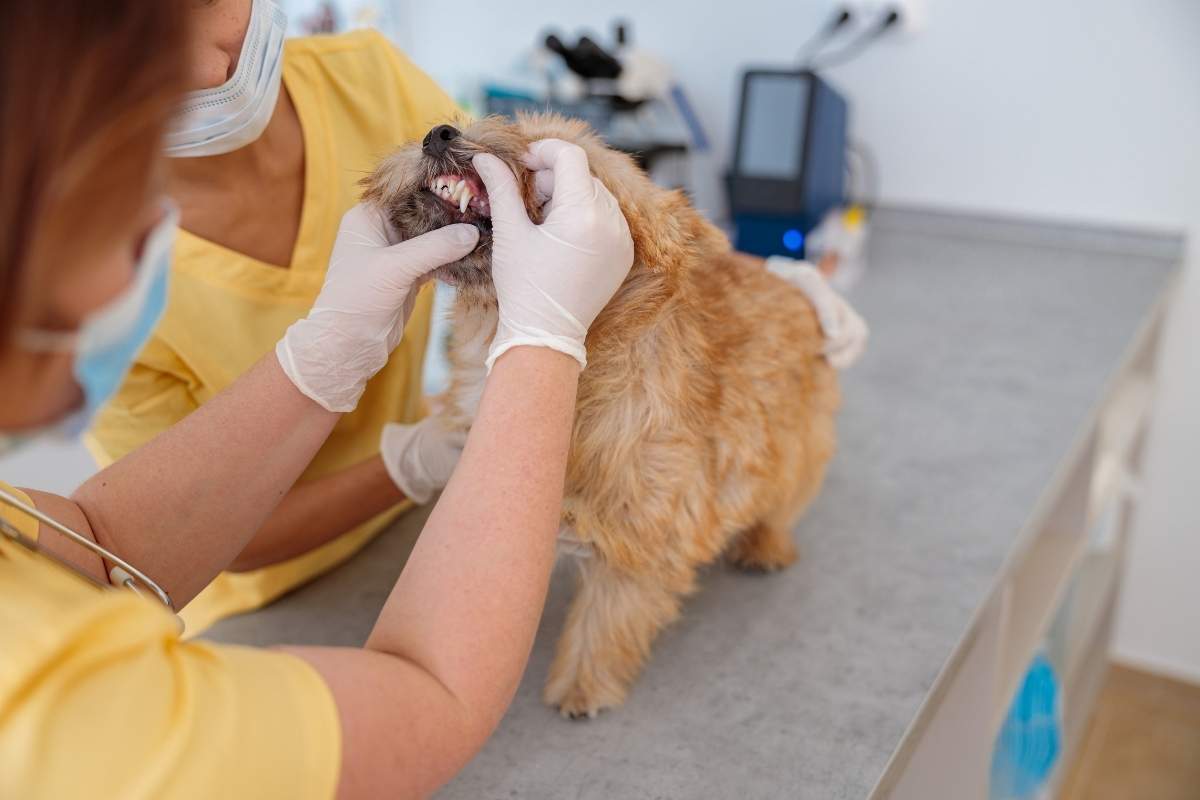
During an examination, a veterinarian can assess the visible teeth and gums and look for signs of inflammation, tartar, missing teeth, oral injury, or other abnormalities. In some cases, a more comprehensive dental assessment may be recommended.
Professional dental procedures for cats typically involve anesthesia because a thorough examination and cleaning require access to areas that cannot be safely or adequately evaluated while the cat is awake. Dental X-rays may also be recommended because problems below the gumline can be hidden from view.
The timing of a dental procedure depends on the cat’s age, overall health, oral condition, and veterinary assessment. A recently adopted cat does not necessarily need an immediate cleaning simply because its previous history is unknown.
Give Your Rescue Cat Time to Adjust
Dental care should be introduced with patience. A rescue cat may already be dealing with changes in surroundings, unfamiliar people, new smells, and a different daily routine.
Trying to brush the teeth immediately may create unnecessary stress. Instead, allow the cat to establish a sense of security first.
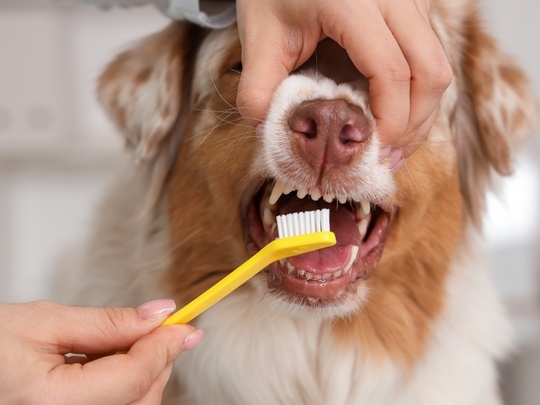
Once the cat appears comfortable, gradually introduce handling around the head and mouth. Start by gently touching the cheeks or chin for a few seconds. Reward calm behavior with praise or an appropriate treat.
The goal is to make mouth handling predictable rather than frightening.
How to Introduce Toothbrushing Gradually
Daily toothbrushing can help reduce plaque accumulation, but many cats initially resist it. Positive reinforcement can make the process easier.
Follow these gradual steps:
Step 1: Let Your Cat Explore the Supplies
Allow your cat to see and smell the toothbrush and pet-safe toothpaste without trying to use them immediately. This reduces the novelty of the objects.
Never use human toothpaste unless specifically directed by a veterinary professional. Some human toothpaste ingredients are inappropriate for pets.
Step 2: Introduce Gentle Mouth Handling
When your cat is relaxed, briefly touch the outside of the lips or cheeks. Keep the interaction short and reward calm behavior.
If the cat becomes uncomfortable, stop and try again another time.
Step 3: Introduce the Toothpaste
Place a small amount of cat-specific toothpaste where your cat can safely smell or taste it. This can help create a positive association before a toothbrush is introduced.
Step 4: Start With a Few Teeth
Once your cat accepts the previous steps, gently brush a small number of teeth. Focus initially on the outer surfaces, particularly around the gumline.
There is no need to complete a long brushing session on the first attempt.
Step 5: Increase Gradually
As your cat becomes more comfortable, gradually increase the number of teeth brushed and the length of each session.
Consistency matters more than forcing a perfect routine.
What If Your Cat Refuses Toothbrushing?
Not every cat will accept brushing easily. Resistance does not mean dental care should be abandoned.
Instead, identify what triggers the resistance. Your cat may dislike the toothpaste, toothbrush texture, mouth handling, or duration of the session.
Return to an earlier step and progress more slowly. For example, if your cat accepts cheek touching but dislikes the toothbrush, spend several days rebuilding comfort with the toothbrush before attempting another brushing session.
Dental diets, treats, water additives, and other products may have a role in an oral health plan, but they should not automatically be considered replacements for toothbrushing or professional dental care. Product suitability also varies among individual cats.
Common Mistakes to Avoid
Well-intentioned pet owners can accidentally make dental care more difficult by moving too quickly.
Avoid these common mistakes:
- Forcing the mouth open
- Holding the cat tightly during brushing
- Starting with lengthy brushing sessions
- Using human toothpaste
- Ignoring bleeding or painful gums
- Assuming bad breath is normal
- Using dental products without checking whether they are appropriate
- Attempting to scrape tartar from the teeth at home
If a cat appears painful when its mouth is touched, professional evaluation should come before attempting a home dental routine.
When a Professional Dental Cleaning May Be Needed
Home brushing primarily helps control plaque. It cannot remove hardened tartar that has already accumulated on the teeth.
A professional dental cleaning may be recommended when a veterinarian identifies significant tartar, gingivitis, periodontal disease, damaged teeth, or other oral concerns.
During a professional procedure, the veterinary team can clean the teeth above and below the gumline, assess the mouth more thoroughly, and address dental abnormalities when necessary. Dental X-rays may help identify problems that are not visible during an external examination.
For rescue cats with uncertain medical histories, the veterinarian may also consider the cat’s overall health before recommending anesthesia or other procedures.
Building a Long-Term Dental Routine
Once your rescue cat is comfortable at home, dental care can become part of its regular wellness routine.
A practical routine may include:
- Checking the mouth periodically for noticeable changes.
- Brushing the teeth with cat-specific dental supplies when tolerated.
- Monitoring appetite and chewing behavior.
- Watching for persistent bad breath or drooling.
- Keeping regular wellness examinations.
- Following professional recommendations for dental cleanings when necessary.
At Riverbend Veterinary PetCare Hospital, discussing oral health during routine visits can help pet owners understand their cat’s current dental condition and determine appropriate next steps.
How Local Rescue Cat Owners Can Support Dental Health
For pet owners in Charlotte and surrounding communities, adopting a rescue cat often means welcoming an animal with an unknown or incomplete health history. Establishing a relationship with a veterinary team can make it easier to organize wellness examinations, vaccinations, parasite prevention, dental assessments, and other preventive needs.
Dental care is most effective when it becomes part of a broader health routine rather than something addressed only after symptoms appear.
A newly adopted cat may need patience, especially during the first few weeks. By combining gradual handling, positive reinforcement, appropriate home care, and professional dental evaluations, pet owners can create a healthier and less stressful routine.
Help Your Newly Adopted Cat Start With a Healthy Smile
Adopting a rescue cat is the beginning of a long-term relationship, and establishing healthy routines early can make a meaningful difference. Because cats can hide oral discomfort, routine examinations and appropriate home care are valuable even when a cat appears healthy.
For pet owners in Charlotte, NC, schedule your appointment with Riverbend Veterinary PetCare Hospital to discuss your newly adopted cat’s dental health and create an appropriate preventive care plan.
Frequently Asked Questions
Q1. Should I have my newly adopted rescue cat’s teeth checked?
Ans: Yes. A dental examination can be helpful when a cat’s previous medical and dental history is incomplete. A veterinarian can assess the teeth and gums and determine whether additional dental care is appropriate.
Q2. How soon should I start brushing my rescue cat’s teeth?
Ans: Allow your cat time to adjust to its new environment first. Once the cat is comfortable, introduce mouth handling gradually before beginning short brushing sessions.
Q3. Is bad breath normal in cats?
Ans: Persistent bad breath should not simply be considered normal. It can be associated with oral disease or other health concerns, so a veterinary examination can help identify the cause.
Q4. Can I remove tartar from my cat’s teeth at home?
Ans: Home tartar scraping is not recommended. Attempting to remove hardened buildup can injure the gums or damage the teeth. Professional dental cleaning is safer and allows the mouth to be properly evaluated.
Q5. What should I do if my rescue cat refuses toothbrushing?
Ans: Slow down and return to an earlier training step. Reward calm behavior and gradually introduce mouth handling, toothpaste, and brushing. If the cat appears painful or unusually resistant, schedule an oral examination.
Q6. How often should a cat receive a dental examination?
Ans: The appropriate frequency depends on the cat’s age, oral health, medical history, and risk factors. Regular wellness visits provide an opportunity to assess the mouth and determine when additional dental care may be needed.