New Client? Enjoy Your First Comprehensive Exam for Just $35!



How Long Does It Take for a Cat to Recover From Surgery?

Watching your cat recover from surgery can be stressful, especially when they seem quieter, sleep longer, or refuse their favorite food. Even a routine procedure can temporarily change your cat’s behavior. While some cats regain their usual energy within a few days, others need more time before they can safely return to normal activities. Understanding what happens during recovery can help you recognize healthy progress and identify problems before they become serious.
For cat owners in Charlotte, knowing what to expect after surgery can make caring for their pets less overwhelming. This guide explains how long cats typically take to heal, what influences their recovery, and how proper post-surgical care can help them return to their familiar routines comfortably.
What Happens During the First 24 to 48 Hours After Cat Surgery?
The first two days are particularly important because your cat is recovering from anesthesia and the physical effects of surgery. During this period, you may notice changes in their usual behavior.
Increased Sleeping and Reduced Activity
Cats often sleep more than usual after receiving anesthesia. They may appear tired, less interested in playing, or slightly unsteady when walking.
Mild drowsiness can occur during the first 24 hours. However, your cat should gradually become more alert. Severe weakness, collapse, or difficulty waking requires immediate veterinary attention.
Temporary Changes in Appetite
Some cats eat less during the first evening after surgery because of nausea, stress, or medication effects. Their appetite should gradually improve as they recover.
Follow your veterinarian’s feeding instructions and offer the recommended amount of food. Contact your vet if your cat refuses food for 24 hours or sooner if other concerning symptoms develop.
Mild Discomfort Around the Surgical Area
Some tenderness around the incision is expected after cat surgery. Your cat may move carefully, avoid certain positions, or seem less comfortable when resting.
Pain should remain controlled with prescribed medication. Persistent crying, unusual aggression, or an inability to settle may indicate that additional pain management is needed.
What Factors Affect a Cat’s Recovery Time After Surgery?
Two cats undergoing similar procedures may recover at different rates. Several factors influence how quickly their bodies heal.
Type and Complexity of Surgery
A routine neutering procedure generally requires less recovery time than abdominal surgery or the removal of a large mass.
Procedures involving internal organs, extensive tissue repair, or significant inflammation may require longer activity restrictions and additional follow-up examinations.
Age and Existing Health Conditions
Young, otherwise healthy cats may recover more quickly than older cats with chronic medical conditions. Diabetes, kidney disease, obesity, and other health problems can affect healing.
Before surgery, our vets evaluate each cat’s medical history and physical condition. This helps us identify potential concerns and plan appropriate surgical care.
Activity Levels During Recovery
Cats naturally enjoy jumping, climbing, and exploring their surroundings. Unfortunately, returning to these activities too early can place unnecessary pressure on healing tissues.
Even when your cat seems energetic, following the recommended activity restrictions remains important. Excessive movement can cause swelling, bleeding, or separation of the surgical incision.
How Can You Help Your Cat Recover Safely at Home?
Proper home care can make a meaningful difference during recovery. A quiet environment, prescribed medication, and daily monitoring can help prevent avoidable complications.
Prepare a Comfortable Recovery Space
Choose a quiet room where your cat can rest without interruptions from children or other pets. Provide clean bedding, fresh water, food, and a litter box within easy reach.
Avoid placing bedding on elevated furniture that requires jumping. A floor-level resting area reduces the chance of unnecessary strain.
Prevent Licking or Chewing the Incision
Cats instinctively groom themselves, but licking a surgical wound can introduce bacteria and damage healing tissue.
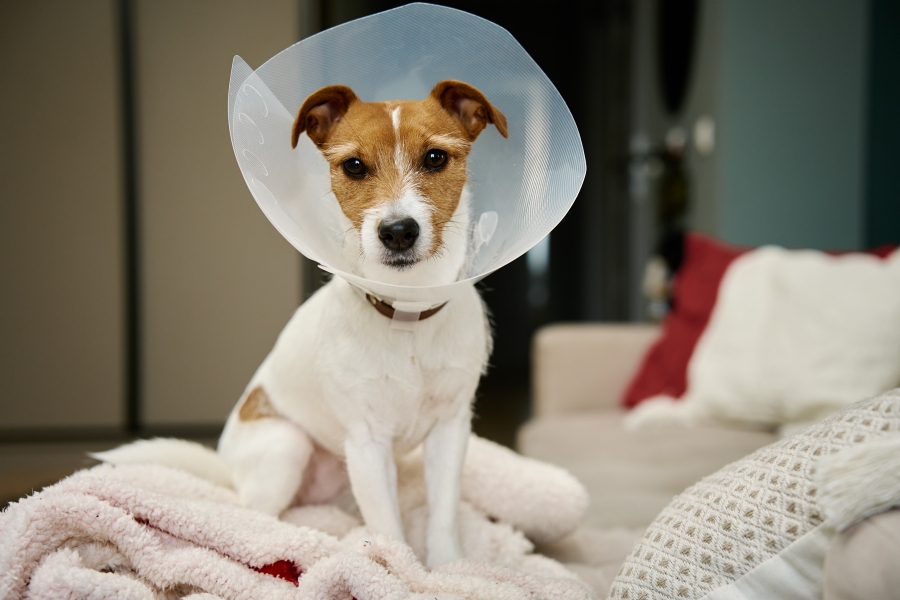
Your veterinarian may recommend a protective collar or recovery suit. Keep the recommended protection in place until your vet confirms that it is safe to remove.
Give Medications Exactly as Prescribed
Pain management is an important part of recovery. Cats experiencing uncontrolled pain may eat less, avoid movement, or struggle to rest comfortably.
Give prescribed medications according to your veterinarian’s instructions. Never administer human pain relievers, including ibuprofen or acetaminophen, because they can be extremely dangerous to cats.
Monitor the Surgical Incision Daily
Examine the incision as instructed by your veterinarian. Mild redness or swelling may occur initially, but these changes should gradually improve.
Contact your vet if you notice increasing redness, significant swelling, discharge, an unpleasant odor, or an opening in the incision.
Restrict Jumping and Rough Play
Your cat may feel ready to run around before their body has finished healing. Limiting physical activity helps protect the surgical site.
Follow your veterinarian’s instructions regarding confinement, exercise, and returning to normal activities. Avoid allowing outdoor access until your cat has been cleared.
What Are the Warning Signs of Complications After Surgery?
Although many cats recover without complications, certain symptoms require prompt veterinary attention.
Watch for the following warning signs:
- Persistent vomiting: Repeated vomiting may indicate a medication reaction or another postoperative concern.
- Loss of appetite: Refusing food for 24 hours requires veterinary advice, and earlier attention may be necessary for vulnerable cats.
- Increasing swelling or discharge: These changes may indicate infection or problems with the incision.
- Unusual weakness: Severe lethargy, collapse, or difficulty standing should never be ignored.
- Difficulty urinating: Straining without producing urine is an emergency, particularly in male cats.
- Uncontrolled pain: Persistent crying, hiding, or an inability to rest may indicate significant discomfort.
Difficulty breathing, uncontrolled bleeding, collapse, or an inability to urinate requires immediate emergency veterinary care.
Our veterinary practice encourages owners to report unexpected changes rather than waiting for symptoms to worsen.
Why Are Follow-Up Visits Important After the Surgery?
A successful procedure is only one part of your cat’s treatment. Postoperative monitoring helps determine whether the incision is healing properly and whether your cat is progressing as expected.
During a follow-up examination, our vets may assess the surgical site, review your cat’s appetite and activity, and determine whether further treatment is necessary.
Our veterinary practice provides surgical services for cats in Charlotte, including spaying, neutering, soft tissue procedures, gastrointestinal surgery, and mass removal. We also provide postoperative instructions covering medication, incision monitoring, activity restrictions, and recovery expectations.
These instructions help owners understand what their cats need at each stage of healing. When additional monitoring is necessary, follow-up care allows our team to address concerns and recommend the next steps.
Can Preventive Veterinary Care Support Your Cat’s Recovery?
A cat’s health before surgery can influence how well they recover afterward. Routine wellness examinations may identify underlying medical conditions that could affect anesthesia, wound healing, or postoperative comfort.
At our veterinary practice, preventive care includes physical examinations, vaccinations, parasite prevention, and nutritional assessments. These visits also allow our vets to evaluate changes in weight, behavior, and general health.
For cats preparing for a procedure, understanding their existing health conditions helps guide surgical planning. After recovery, continued preventive care supports their health beyond the immediate healing period.
Help Your Cat Heal Comfortably With the Right Veterinary Care
Recovery after surgery takes patience, careful observation, and proper medical guidance. While many cats begin feeling better within a few days, complete healing often takes longer. Following postoperative instructions and recognizing unusual symptoms can help protect your cat throughout the process.
At Riverbend Veterinary PetCare Hospital, we understand how important your cat’s comfort and health are to your family. Our veterinary team provides surgical care, pain management guidance, and postoperative support to help cats recover safely and return to their everyday routines.
If your cat needs surgery or you have concerns about their recovery, contact our veterinary practice in Charlotte today. Call 704-971-2075 to schedule an appointment to discuss your cat’s needs. Our vets are here to answer your questions and help you make informed decisions about their care.
Frequently Asked Questions
Q1. How long should I keep my cat confined after surgery?
Ans. Most cats need restricted activity for approximately 7 to 14 days after routine surgery. More complex procedures may require longer confinement. Follow your veterinarian’s instructions before allowing jumping, running, or outdoor activity.
Q2. Is it normal for my cat to hide after surgery?
Ans. Yes, some cats hide because they feel tired, stressed, or uncomfortable after surgery. However, persistent hiding combined with poor appetite, severe lethargy, or unusual behavior may indicate pain or complications requiring veterinary attention.
Q3. When can I remove my cat’s recovery collar?
Ans. Keep the recovery collar in place until your veterinarian confirms that the incision has healed sufficiently. Removing it prematurely may allow licking or chewing that can damage the wound and delay recovery.
Q4. Where can I get postoperative care for my cat in Charlotte?
Ans. Riverbend Veterinary PetCare Hospital provides postoperative guidance and follow-up care for cats in Charlotte. Our vets can assess healing progress, discuss pain management, and address concerns about your cat’s recovery.
Q5. Can I schedule a follow-up examination after my cat’s surgery in Charlotte?
Ans. Yes. Riverbend Veterinary PetCare Hospital offers follow-up appointments to monitor healing and address postoperative concerns. Our veterinary team can determine whether your cat needs additional treatment or changes to their recovery instructions.
Q6. How can I prepare my cat for surgery at a veterinary hospital in Charlotte?
Ans. Riverbend Veterinary PetCare Hospital evaluates your cat’s health before surgery and provides preparation instructions, including guidance about fasting and anesthesia. Our team also explains postoperative care, so you know what to expect when your cat returns home.