New Client? Enjoy Your First Comprehensive Exam for Just $35!



How Often Should You Clean Your Cat’s Ears? Expert Tips
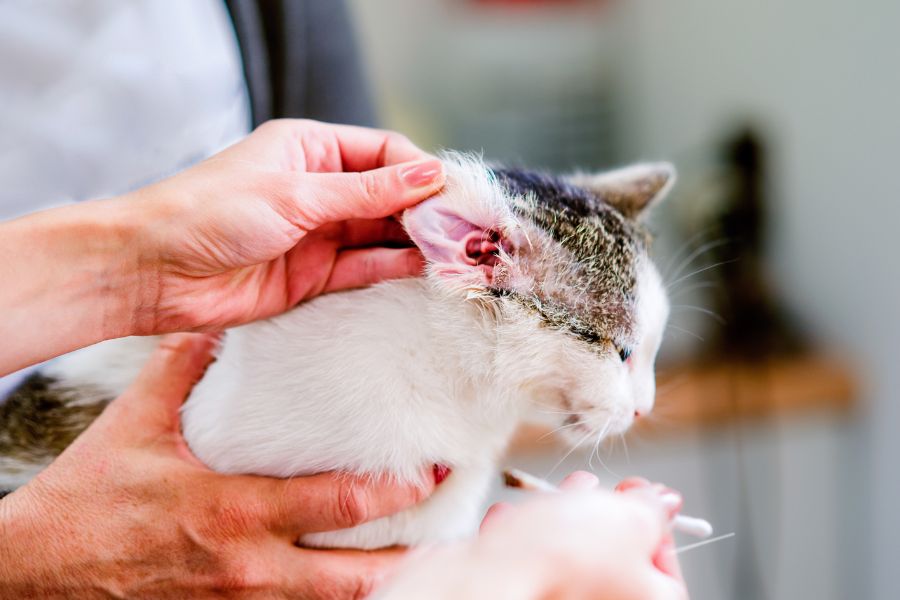
Keeping your cat’s ears clean is a key part of maintaining their overall health and comfort. Many pet owners wonder how often they should clean their cat’s ears and what signs suggest it’s time for a check-up. In this guide, we break down expert-approved cat ear cleaning tips, how to spot ear problems early, and when to seek help from your nearest veterinarian. You’ll learn the safest ways to clean cat ears, how to remove earwax, and what healthy feline ears should look like.
Why Ear Cleaning Matters for Cats
Regular ear checks help prevent infections, discomfort, and long-term complications. While cats are naturally good groomers, some breeds and individual pets need extra help with cat grooming, especially around the ears.
Healthy cat ears should be:
- Pink on the inside
- Free of odor
- Free of visible dirt or discharge
- Not overly waxy.
How Often Should You Clean Your Cat’s Ears?
The ideal frequency depends on your cat’s breed, ear shape, health, and grooming habits. Here’s a quick guideline:
General Recommendation
Most cats only need ear cleaning once every 2–4 weeks, if at all. Over-cleaning can irritate the ear canal and lead to discomfort.
Breeds That May Need More Frequent Cleaning
Cats with folded or fluffy ears tend to trap more dirt and moisture. Examples include:
- Scottish Folds
- Persians
- Himalayans
- Maine Coons
These cats may benefit from ear cleaning every 1–2 weeks, depending on buildup.
When to Clean Less Often
If your cat:
- Rarely accumulates earwax
- Has upright, well-ventilated ears
- Shows no signs of irritation
They may only require occasional cleaning, every few months.
Signs Your Cat Needs an Ear Cleaning Now
Watch for:
- Brown or yellow wax buildup
- Debris or dirt
- Head shaking
- Ear scratching
- Unpleasant odor
If symptoms are severe, don’t clean by yourself. Better seek your nearest veterinarian in Charlotte to check for infections or ear mites first.
Step-by-Step Cat Ear Cleaning Tips
Cleaning your cat’s ears doesn’t have to be stressful. Follow these expert-approved steps:
What You Need
- Cat-safe ear cleaning solution
- Cotton balls or makeup pads
- Towel
- Treats
- Good lighting
Avoid cotton swabs, as they push debris deeper into the ear canal.
Step 1: Prepare Your Cat
Gently wrap your cat in a towel if they tend to squirm. Offer treats to help them associate the process with something positive.
Step 2: Inspect the Ears
Before cleaning, check for:
- Excessive wax
- Redness
- Foul smell
- Discharge
If these signs are present, skip cleaning and schedule an exam with an animal hospital near you to rule out infection.
Step 3: Apply Ear Cleaning Solution
Hold the ear flap upright and gently squeeze the ear cleaner into the canal. Don’t insert the nozzle deeply; the solution will reach the right areas naturally.
Step 4: Massage the Ear Base
Massage the base of the ear for 20–30 seconds. This loosens debris and helps the solution work.
Step 5: Let Your Cat Shake
Cats will instinctively shake their heads. This helps remove loosened wax and debris.
Step 6: Wipe Away Debris
Use a cotton ball to gently wipe the inside of the ear flap and remove visible dirt or wax.
Step 7: Reward and Relax
Offer treats and affection to reinforce positive behavior.
Common Ear Problems to Watch For
Cleaning is important, but knowing what’s normal versus concerning is even more crucial. Here are common issues you may encounter.
Excessive Ear Wax
Dark brown, crumbly wax can indicate ear mites. Yellow wax may suggest infection. Normal wax is light brown and minimal.
Ear Mites
One of the most common issues in cats. Symptoms include:
- Constant scratching
- Black debris resembling coffee grounds
- Redness and irritation
A vet will provide medication and instructions for safe cat ear wax removal.
Ear Infections
Caused by bacteria, yeast, or allergies. Signs include:
- Strong odor
- Swelling
- Discharge
- Pain when touched
Do not attempt to clean an infected ear at home; this can worsen symptoms.
Allergies
Cats with allergies often have chronic ear inflammation. A veterinarian can diagnose and manage this long-term condition.
Foreign Bodies
Grass seeds or debris can get lodged inside. If you suspect this, avoid cleaning and seek professional help.
When to See a Veterinarian
Knowing when not to clean at home is just as important as knowing how. Seek veterinary care if you notice:
- Persistent foul smell
- Bleeding
- Yellow or green discharge
- Swelling
- Hearing loss
- Sudden behavior changes
Professional care ensures proper diagnosis using otoscopes, lab tests, and pet diagnostic care services near you. Avoid guessing; catching issues early prevents long-term damage.
Preventing Ear Problems in Your Cat
Healthy habits reduce the need for frequent ear cleanings.
Regular Grooming
Brush long-haired cats often to prevent dirt and oils from collecting near the ears.
Maintain a Clean Environment
Dust, dander, and allergens contribute to ear issues. Keep bedding clean and reduce indoor irritants.
Routine Vet Visits
Yearly or semi-annual exams help detect early signs of debris buildup, infection, or allergies.
Avoid Over-Cleaning
Too much cleaning strips the ear’s natural defenses and can cause irritation or inflammation.
Watch for Behavioral Changes
Scratching, shaking, or tenderness around the ears often signal a developing issue.
Conclusion
Understanding how often to clean your cat’s ears keeps them comfortable, healthy, and free from preventable issues. Most cats need ear cleaning every few weeks, while others may require more or less frequent care depending on wax buildup and breed. When in doubt, regular checks and mindful grooming will help you catch problems early.
If you’re located in Charlotte, NC and searching for the best vet care near you, Riverbend Veterinary PetCare Hospital provides trusted, compassionate, and advanced veterinary support to keep your feline feeling their best.
FAQs
Q1: How can I tell if my cat’s ears need cleaning?
Ans: Look for visible wax, dirt, odor, or head shaking. Healthy ears are pink and clean with little to no odor.
Q2: Is it safe to use cotton swabs to clean cat ears?
Ans: No. Cotton swabs push debris deeper into the ear canal and can cause injury. Use cotton pads or balls instead.
Q3: What ear cleaner is best for cats?
Ans: A vet-recommended, cat-safe liquid ear cleaning solution is ideal. Avoid alcohol-based products that cause irritation in your pet’s ears.
Q4: How do I remove stubborn earwax from my cat?
Ans: Use a vet-approved solution, massage the ear base, and wipe gently. If wax is dark, hard, or crumbly, it may signal mites — see your vet.
Q5: Can frequent ear cleaning harm my cat?
Ans: Yes. Over-cleaning can irritate the ear canal and remove protective oils. Clean only when necessary or based on your vet’s guidance.