New Client? Enjoy Your First Comprehensive Exam for Just $35!



Why Regular Diagnostic Care Is Essential for Your Pet’s Long-Term Health
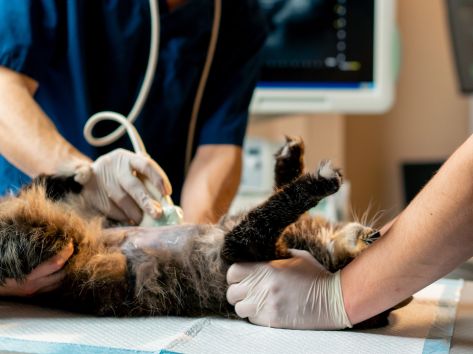
As pet owners, ensuring the long-term health of our furry companions is one of our most important responsibilities. While we all want our pets to live happy, healthy lives, many health conditions in pets can go unnoticed until they become severe. This is where pet diagnostic care becomes crucial. Regular diagnostic care enables veterinarians to detect health issues early, ensuring that pets receive the appropriate treatment and maintain a high quality of life.
In this blog post, we’ll explore why regular diagnostic care is essential for your pet’s long-term health, how it helps in early detection of diseases, and how it contributes to better treatment outcomes. This blog is especially for pet owners in Charlotte, NC, who want to understand the importance of regular veterinary check-ups and diagnostic tests for their pets.
What is Pet Diagnostic Care?
Pet diagnostic care refers to the range of tests and procedures veterinarians use to monitor and evaluate your pet’s health. These tests may include blood work, urine analysis, X-rays, ultrasounds, fecal exams, and other diagnostic tools. By using these methods, veterinary professionals can uncover hidden health issues that may not show obvious symptoms until they’re more advanced.
Just like humans, pets can suffer from conditions like heart disease, kidney problems, diabetes, and even cancer. These issues may not be immediately visible, and by the time symptoms appear, the disease may have already progressed significantly. Regular diagnostic care helps identify these conditions before they become life-threatening, allowing for early treatment and better long-term outcomes.
1. Early Detection Leads to Better Outcomes
One of the most significant advantages of regular diagnostic care is early detection. When health issues are caught early, they are often easier to manage and treat. For example, many chronic conditions, such as kidney disease, diabetes, and heart disease, can be managed effectively with early intervention.
How Early Detection Helps: Early diagnosis allows veterinarians to start treatment before the condition worsens, potentially preventing serious complications. For instance, if your pet is diagnosed with arthritis at an early stage, a treatment plan that includes medication, joint supplements, and physical therapy can help reduce pain and prevent further joint damage. Likewise, early detection of cancer allows for more treatment options, improving your pet’s chances for survival.
2. Preventive Care through Diagnostic Tests
Regular diagnostic care not only helps in identifying existing health issues but also plays a significant role in prevention. For example, routine blood work can help detect early signs of liver or kidney dysfunction, even before symptoms appear. Similarly, urinalysis and fecal tests can help identify infections or parasitic infestations before they cause severe harm.
How Preventive Tests Help: Preventive diagnostic tests like heartworm testing, parasite screening, and vaccination updates ensure that your pet is protected from common but preventable health issues. By catching problems early, your vet can recommend specific preventive treatments or changes in your pet’s lifestyle to avoid more serious health concerns in the future.
3. Tracking Your Pet’s Health Over Time
As your pet ages, regular diagnostic care becomes even more important. Senior pets are more likely to develop chronic health conditions like arthritis, diabetes, and heart disease. Regular veterinary exams, including diagnostic tests, allow for ongoing monitoring of their health, ensuring that any changes or issues are detected promptly.
How Tracking Helps: With regular diagnostic care, your vet can track the progression of existing health conditions and adjust treatments as necessary. For example, if your senior pet has been diagnosed with diabetes, regular blood glucose tests will help manage their condition and adjust insulin doses, ensuring they maintain a good quality of life. Monitoring health markers over time allows your vet to make informed decisions about treatment options, medication, and lifestyle changes.
4. Dental Health and Its Impact on Overall Well-Being
Many pet owners are unaware of the significant impact dental health has on their pet’s overall well-being. Poor dental hygiene can lead to periodontal disease, which not only causes pain and discomfort but can also lead to serious health problems such as heart disease, liver disease, and kidney issues. Regular dental exams and cleanings are crucial to maintaining your pet’s health.
How Dental Diagnostics Help: During a pet wellness exam, your veterinarian will thoroughly check your pet’s teeth and gums for signs of dental disease, including plaque, tartar, and gum inflammation. Dental x-rays can also be used to identify issues below the gumline, such as infected teeth or abscesses. Early detection and treatment of dental issues can prevent more serious conditions, reducing the risk of systemic infections that can affect your pet’s organs.
5. Understanding the Benefits of Diagnostic Imaging
Diagnostic imaging, including X-rays and ultrasounds, plays an essential role in evaluating your pet’s health. While physical exams provide valuable insights, imaging allows veterinarians to look inside your pet’s body to evaluate their organs, bones, and tissues. This is particularly helpful for diagnosing conditions that cannot be identified through a simple visual examination.
How Imaging Helps: For instance, if your pet is showing signs of respiratory distress, an X-ray can reveal issues such as pneumonia, fluid in the lungs, or heart enlargement. Similarly, ultrasound imaging is invaluable in diagnosing conditions like tumors, cysts, or problems with internal organs. These diagnostic tools provide a clear picture of your pet’s health and help your vet develop an effective treatment plan.
6. Customized Care for Special Health Conditions
Pets with special health conditions or those that are aging require more attention and monitoring. Conditions such as arthritis, allergies, and cancer require specialized diagnostic care to ensure that the pet receives the appropriate treatment and relief. Regular testing helps tailor the treatment to suit the pet’s specific needs.
How Tailored Care Helps: Your veterinarian may recommend additional tests or specialized care plans depending on your pet’s specific health condition. For instance, if your pet is diagnosed with arthritis, they may need joint supplements, physical therapy, and a specific diet to manage their condition. Regular check-ups ensure that your pet’s treatment plan is updated to suit their evolving health needs, leading to a higher quality of life.
Localizing Pet Diagnostic Care in Charlotte, NC
For pet owners in Charlotte, NC, access to quality pet diagnostic care is essential to maintaining the health of your furry friends. The experienced team at Riverbend Veterinary PetCare Hospital offers a wide range of diagnostic services to monitor your pet’s health and catch potential issues before they become severe. Whether you need routine wellness exams, diagnostic imaging, or specialized care, our team is here to help your pet stay healthy and happy.
Regular pet diagnostic care plays a vital role in maintaining your pet’s health and ensuring that potential issues are detected early. Early detection leads to better treatment outcomes and helps your pet enjoy a longer, healthier life. From routine blood tests and urinalysis to advanced imaging and dental care, diagnostic tools provide essential insights into your pet’s health, allowing for more informed and effective treatment decisions.
If you’re in Charlotte and need expert pet diagnostic care, schedule an appointment with Riverbend Veterinary PetCare Hospital. Our veterinary team is dedicated to providing the best diagnostic care to help your pet live a longer and healthier life.
FAQs
Q1. How often should my pet undergo diagnostic tests?
Ans. It’s recommended that your pet receive routine wellness exams at least once a year. Older pets or those with health concerns may need more frequent diagnostic tests.
Q2. Can diagnostic care help prevent health problems in pets?
Ans. Yes, diagnostic care helps detect early signs of diseases and health issues, allowing for timely intervention and prevention of more serious complications.
Q3. What types of diagnostic tests are included in a wellness exam?
Ans. A wellness exam may include blood work, urinalysis, fecal exams, X-rays, and other tests to assess your pet’s overall health and detect underlying issues.
Q4. How can I prepare my pet for diagnostic tests?
Ans. Follow your vet’s instructions regarding fasting or other preparations before tests. Keep your pet calm and comfortable for the most accurate results.
Q5. How can I tell if my pet needs diagnostic care?
Ans. If your pet shows signs of illness, changes in behavior, or has an ongoing health issue, diagnostic care can help identify the cause and provide proper treatment.
Q6. Is diagnostic care expensive?
Ans. While the cost of diagnostic care can vary, regular testing is an investment in your pet’s long-term health. Early detection and prevention often save money by avoiding more costly treatments later.