New Client? Enjoy Your First Comprehensive Exam for Just $35!



How Often Should You Take Your Dog to the Vet? A Complete Guide by Life Stage
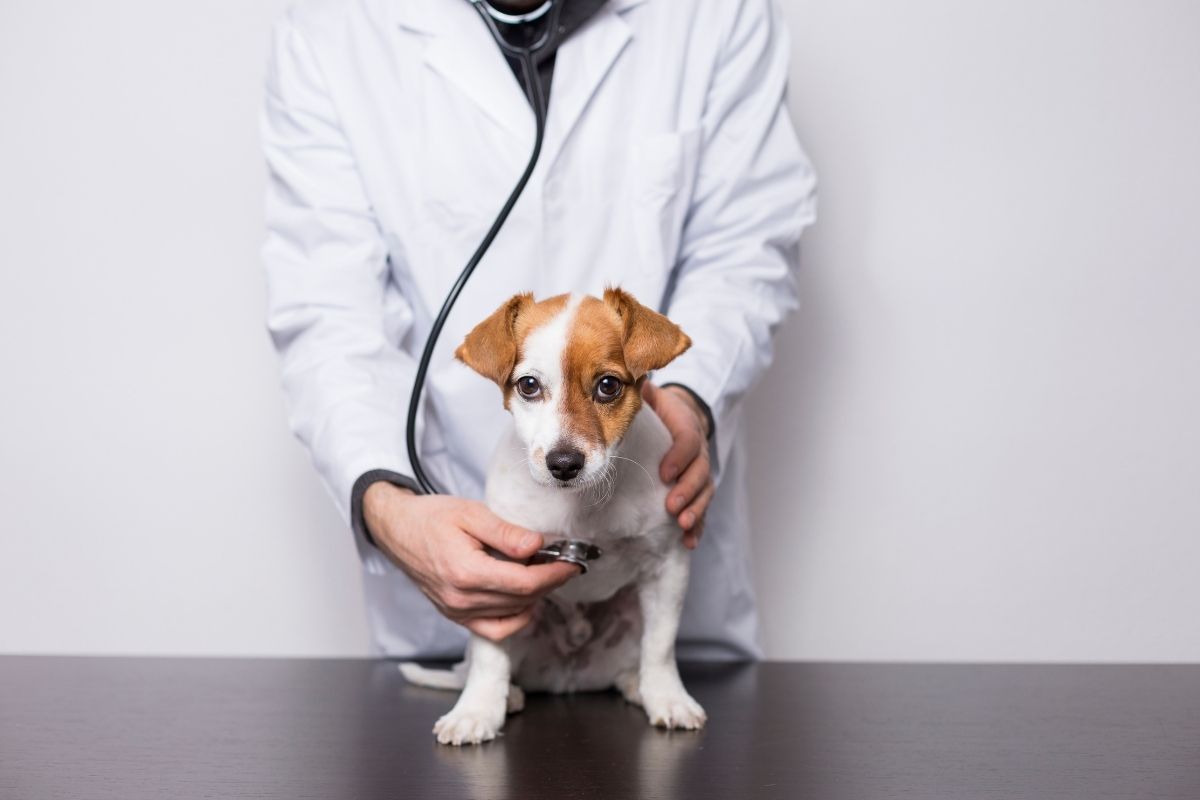
One of the most common questions dog owners ask is, “How often should I take my dog to the vet?” The answer depends on your dog’s age, health status, lifestyle, and individual needs. Regular veterinary visits are essential for preventing disease, monitoring overall health, and ensuring your dog enjoys a long, happy life.
In this complete guide, we’ll break down the recommended veterinary visit schedule by life stage, explain what happens during routine exams, and discuss why preventive care is one of the most important investments you can make in your dog’s health. Whether you have a playful puppy or a senior companion, understanding the right schedule can help keep your dog thriving.
Why Regular Veterinary Visits Matter
Many pet owners only think about vet care when their dog is sick. However, preventive care plays a critical role in identifying health concerns before they become serious.
Routine visits help:
- Detect health issues early
- Keep vaccinations up to date
- Monitor weight and nutrition
- Prevent parasites
- Assess dental health
- Track changes in behavior and mobility
- Support long-term wellness
Dogs age much faster than humans, which means significant health changes can occur in a relatively short period of time. Regular examinations allow veterinarians to monitor these changes and provide timely care.
Veterinary Visit Schedule by Life Stage
The frequency of veterinary visits changes as your dog moves through different stages of life.
Puppies: Birth to 12 Months
Puppies require the most frequent veterinary visits because their bodies are growing rapidly and their immune systems are still developing.
Most puppies visit the veterinarian every 3 to 4 weeks from approximately 6 to 16 weeks of age.
During these visits, veterinarians typically provide:
- Core vaccinations
- Parasite screenings
- Deworming treatments
- Growth and weight monitoring
- Nutritional guidance
- Behavioral recommendations
Puppy wellness appointments are also a great opportunity for new pet owners to ask questions about training, socialization, and overall care.
Typical Puppy Visit Timeline
6–8 Weeks
- Initial wellness exam
- First vaccinations
- Parasite screening
10–12 Weeks
- Booster vaccines
- Growth assessment
14–16 Weeks
- Final puppy vaccine boosters
- Preventive care planning
6–12 Months
- Spay or neuter consultation if appropriate
- Adult health assessment
Frequent veterinary visits during puppyhood help establish a strong foundation for lifelong health.
Adult Dogs: 1 to 7 Years
Once your dog reaches adulthood, annual wellness exams are typically recommended for healthy pets.
Many dog owners assume that if their pet appears healthy, a yearly visit isn’t necessary. However, annual exams help identify issues that may not be visible at home.
During an adult dog wellness visit, veterinarians often evaluate:
- Weight and body condition
- Heart and lung health
- Skin and coat condition
- Joint function
- Dental health
- Vaccination status
- Parasite prevention needs
These visits also allow veterinarians to establish health baselines, making it easier to recognize changes in future years.
Why Annual Exams Are Important
Even healthy dogs can develop conditions such as:
- Allergies
- Dental disease
- Ear infections
- Obesity
- Heart disease
- Early arthritis
Routine evaluations allow these concerns to be addressed before they significantly affect your dog’s quality of life.
Senior Dogs: 7 Years and Older
As dogs age, their healthcare needs increase.
Most veterinarians recommend senior dogs receive wellness exams every six months rather than once per year.
A six-month interval allows veterinarians to monitor age-related conditions more closely.
Common concerns in senior dogs include:
- Arthritis
- Kidney disease
- Heart disease
- Diabetes
- Thyroid disorders
- Cognitive changes
- Vision and hearing loss
Early detection is particularly important because many of these conditions can be managed more effectively when identified early.
What Happens During Senior Wellness Visits?
Senior dog examinations often include:
- Comprehensive physical exams
- Blood work
- Urinalysis
- Weight monitoring
- Mobility assessments
- Blood pressure evaluations
- Medication reviews
These screenings provide valuable information about your dog’s internal health and overall well-being.
Factors That May Require More Frequent Veterinary Visits
While age is an important guideline, some dogs may need additional vet care based on their individual circumstances.
Chronic Medical Conditions
Dogs diagnosed with conditions such as diabetes, heart disease, or kidney disease often require regular monitoring.
Breed-Specific Risks
Certain breeds are more prone to specific health concerns that may require closer observation.
Medication Management
Dogs taking long-term medications may need routine testing to ensure treatments remain effective and safe.
Lifestyle Factors
Dogs that frequently visit dog parks, travel often, or spend significant time outdoors may require additional preventive care and monitoring.
Your veterinarian can recommend a personalized healthcare schedule based on your dog’s unique needs.
The Role of Preventive Care
Preventive healthcare is one of the most valuable services offered by veterinary professionals.
A comprehensive wellness exam helps identify potential problems before symptoms become severe. These routine evaluations often save pet owners money in the long run by reducing the need for emergency treatment and extensive medical interventions.
Preventive care commonly includes:
- Physical examinations
- Vaccinations
- Parasite prevention
- Nutritional counseling
- Dental evaluations
- Health screenings
By focusing on prevention, veterinarians help dogs stay healthier throughout their lives.
Signs Your Dog Should See the Vet Sooner
Even if your next appointment isn’t scheduled yet, certain symptoms warrant immediate veterinary attention.
Contact your veterinarian if your dog experiences:
- Sudden weight loss
- Loss of appetite
- Persistent vomiting or diarrhea
- Excessive drinking or urination
- Difficulty breathing
- Limping or mobility changes
- Persistent coughing
- Behavioral changes
- New lumps or bumps
Prompt medical evaluation can often prevent minor issues from becoming more serious health concerns.
Building a Lifelong Relationship with Your Veterinarian
Regular veterinary visits do more than protect your dog’s health; they help build a trusted relationship between your family and your veterinary team.
When veterinarians know your dog’s history, personality, and medical background, they can provide more personalized recommendations and identify subtle changes more quickly.
This partnership becomes increasingly valuable as your dog ages and healthcare needs evolve.
The ideal veterinary visit schedule depends largely on your dog’s life stage. Puppies typically need visits every few weeks, healthy adult dogs benefit from annual wellness exams, and senior dogs often require checkups every six months. Regular preventive care helps detect health concerns early, supports long-term wellness, and gives your dog the best opportunity to live a healthy, happy life.
If your dog is due for a wellness examination in Charlotte, book an appointment with Riverbend Veterinary PetCare Hospital. Our team will help you to keep your canine companion on the path to lifelong health.
FAQs
Q1: How often should a healthy adult dog go to the vet?
Answer: Most healthy adult dogs should visit the veterinarian once a year for a comprehensive wellness examination, vaccinations, and preventive healthcare assessments.
Q2: How often do puppies need veterinary visits?
Answer: Puppies typically need veterinary visits every 3 to 4 weeks from approximately 6 to 16 weeks of age to receive vaccinations and routine health evaluations.
Q3: How often should senior dogs see a veterinarian?
Answer: Most senior dogs should have veterinary checkups every six months to monitor age-related health conditions and detect problems early.
Q4: What happens during a routine dog wellness exam?
Answer: A wellness exam usually includes a physical examination, weight assessment, vaccination review, parasite prevention evaluation, and discussion of your dog’s overall health and lifestyle.
Q5: Can regular veterinary visits help dogs live longer?
Answer: Yes. Routine vet care supports early disease detection, preventive healthcare, and ongoing monitoring, all of which contribute to improved quality of life and long-term health.