New Client? Enjoy Your First Comprehensive Exam for Just $35!



How Veterinarians Reduce Surgical Risks in Pets
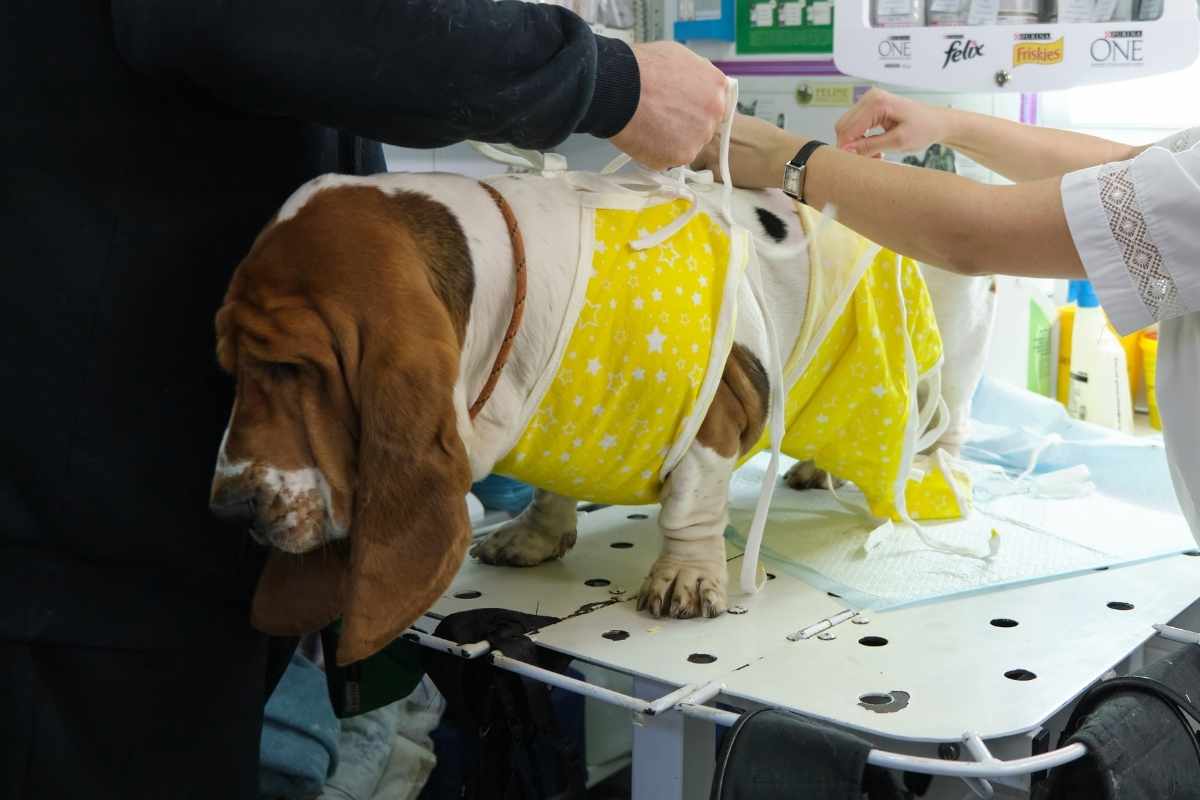
Surgery can be a stressful experience for both pets and their owners. Whether it’s a routine procedure like spaying or a more complex operation, safety is always the top priority. At Riverbend Veterinary PetCare Hospital, veterinarians follow strict protocols and advanced medical practices to minimize surgical risks and ensure the best possible outcomes for every patient.
Understanding how veterinarians reduce these risks can help pet owners feel more confident and prepared when their pet needs a procedure.
Why Surgical Risk Management Matters
No surgical procedure is completely without risk. However, modern veterinary medicine has made significant advancements in reducing complications. From pre-surgical assessments to post-operative care, every step is carefully planned to protect your pet’s health.
Effective risk management not only improves surgical success rates but also shortens recovery time and enhances overall well-being.
Key Ways Veterinarians Reduce Surgical Risks
1. Comprehensive Pre-Surgical Evaluations
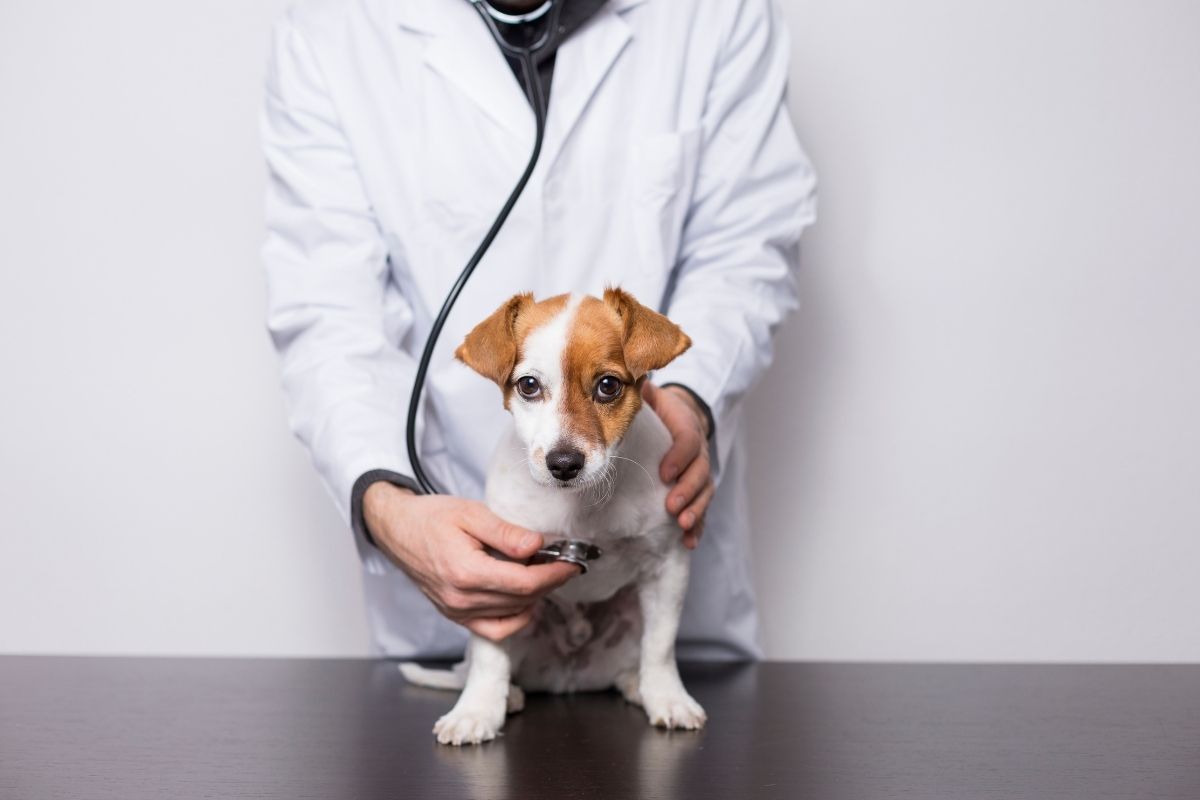
Before any procedure, veterinarians perform a thorough physical examination. This may include blood tests, imaging, and reviewing your pet’s medical history. These evaluations help identify underlying conditions such as infections, organ dysfunction, or anemia that could increase surgical risks.
2. Customized Anesthesia Protocols
Anesthesia is one of the most critical aspects of surgery. Veterinarians tailor anesthesia plans based on your pet’s age, breed, weight, and health status. Modern anesthetics are safer and allow for better control, reducing complications during the procedure.
3. Advanced Monitoring During Surgery
Throughout the procedure, pets are closely monitored using advanced equipment. This includes tracking heart rate, oxygen levels, blood pressure, and temperature. Continuous monitoring allows the veterinary team to respond immediately to any changes.
4. Sterile Surgical Environment
Maintaining a sterile environment is essential to prevent infections. Surgical instruments are thoroughly sterilized, and veterinarians follow strict hygiene protocols. This significantly reduces the risk of post-surgical complications.
5. Skilled Surgical Techniques
Experience and training play a major role in minimizing risks. Veterinarians use precise, minimally invasive techniques whenever possible, which leads to less trauma, reduced pain, and faster healing.
The Role of Pain Management
Pain control is a key part of safe surgery. Veterinarians use a combination of medications before, during, and after the procedure to keep pets comfortable. Proper pain management not only improves recovery but also reduces stress, which can otherwise slow healing.
Post-Surgical Care and Monitoring
The period after surgery is just as important as the procedure itself. Pets are monitored closely as they recover from anesthesia. Veterinarians provide detailed aftercare instructions, including medication schedules, activity restrictions, and signs to watch for.
Follow-up visits ensure that healing is progressing as expected and allow for early detection of any complications.
How Preventive Veterinary Care Supports Safer Surgeries
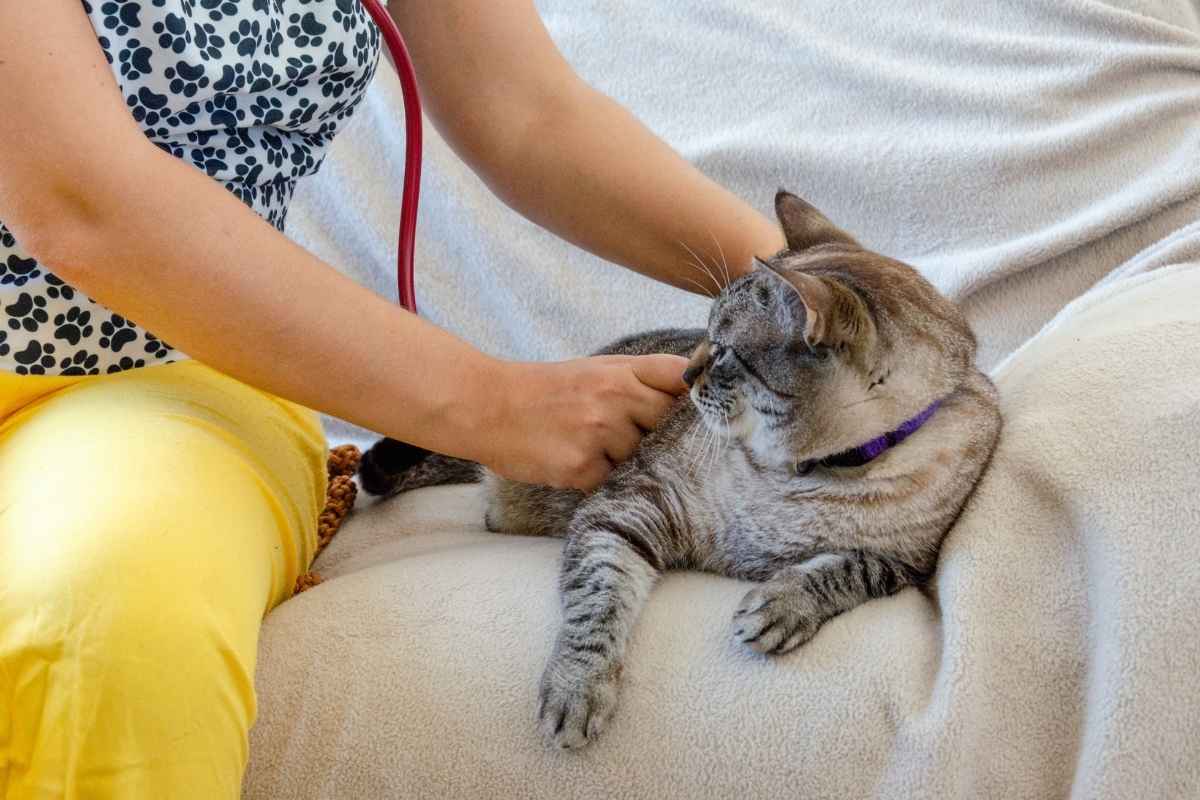
Preventive veterinary care plays a major role in reducing surgical risks. Regular checkups help detect health issues early, ensuring pets are in optimal condition before undergoing any procedure.
Additionally, ongoing veterinary care allows veterinarians to maintain accurate health records, making it easier to plan safe and effective surgical treatments tailored to each pet.
Common Factors That Influence Surgical Risk
Several factors can impact how a pet responds to surgery, including:
- Age (puppies and senior pets may require extra precautions)
- Breed-specific health concerns
- Pre-existing medical conditions
- Weight and overall fitness
- Type and duration of the procedure
By evaluating these factors, veterinarians can adjust their approach to minimize potential risks.
A Local Perspective for Pet Owners
For pet owners in Charlotte, NC, access to experienced veterinary professionals and modern facilities can make a meaningful difference in surgical outcomes. Local clinics are equipped to provide personalized care based on the specific needs of pets in the community, ensuring both safety and comfort throughout the surgical process.
Supporting Your Pet Before and After Surgery
Pet owners play an important role in reducing surgical risks. Here are a few ways you can help:
- Follow pre-surgery instructions carefully, including fasting guidelines
- Share complete medical history with your veterinarian
- Keep your pet calm and comfortable before the procedure
- Monitor recovery closely and report any unusual symptoms
By working closely with your veterinarian, you can help ensure a smoother and safer experience for your pet.
Take the Next Step for Your Pet’s Safety
Surgical procedures don’t have to be overwhelming. With the right preparation, advanced techniques, and attentive care, veterinarians can significantly reduce risks and improve outcomes.
If your pet requires surgery or a pre-surgical evaluation, schedule your appointment at Riverbend Veterinary PetCare Hospital to ensure they receive expert, compassionate care every step of the way.
FAQs:
Q1. Is anesthesia safe for pets?
Ans. Yes, modern anesthesia is generally very safe. Veterinarians customize protocols and monitor pets closely to minimize risks.
Q2. How can I prepare my pet for surgery?
Ans. Follow your veterinarian’s instructions, which may include fasting and limiting activity before the procedure.
Q3. How long does it take for pets to recover from surgery?
Ans. Recovery time varies depending on the procedure, but many pets begin to feel better within a few days, with full recovery taking a few weeks.
Q4. What signs should I watch for after surgery?
Ans. Look for signs like swelling, discharge, loss of appetite, or unusual behavior, and contact your veterinarian if you notice anything concerning.
Q5. Are older pets at higher risk during surgery?
Ans. Senior pets may have higher risks, but proper evaluations and monitoring help ensure safe outcomes.
Q6. How often are follow-up visits needed?
Ans. Follow-up visits depend on the procedure but are typically scheduled within a few days to monitor healing.