New Client? Enjoy Your First Comprehensive Exam for Just $35!



Protecting Your Pet from Distemper: A Vaccine Deep Dive

Distemper is one of the most feared illnesses in the pet world, and for good reason—it can be deadly. Fortunately, vaccination offers an effective and reliable way to protect your beloved pet. By exploring what distemper is, why vaccines matter, and how regular veterinary guidance keeps pets safe, you can feel confident about giving your furry companion the defenses they deserve.
Distemper Demystified: The Basics You Should Know
Canine distemper is a highly contagious and potentially fatal viral disease that affects dogs. It attacks the respiratory, gastrointestinal, and nervous systems, often causing wide-ranging and severe symptoms. Similarly, cats face risks from feline viral diseases—though distemper is slightly different in felines, vaccination remains equally important.
The virus spreads through airborne exposure, contaminated materials, or even direct pet-to-pet contact. Because of its resilience, distemper poses a constant threat. Unlike minor health issues, it doesn’t simply “go away,” which is why prevention through vaccines is vital.
Red Flags: Symptoms of Distemper
Spotting distemper early can be challenging because its symptoms sometimes resemble less serious illnesses. However, knowing the warning signs allows you to act decisively. Look for:
- Persistent coughing and nasal discharge
- High fever or sudden lethargy
- Loss of appetite or weight loss
- Vomiting and diarrhea
- In advanced stages, seizures or twitching muscles
Distemper progresses quickly and can overwhelm a pet before treatment begins. If you notice multiple symptoms, contacting a veterinarian right away can save precious time.
Vaccines as Shields: Why They Matter
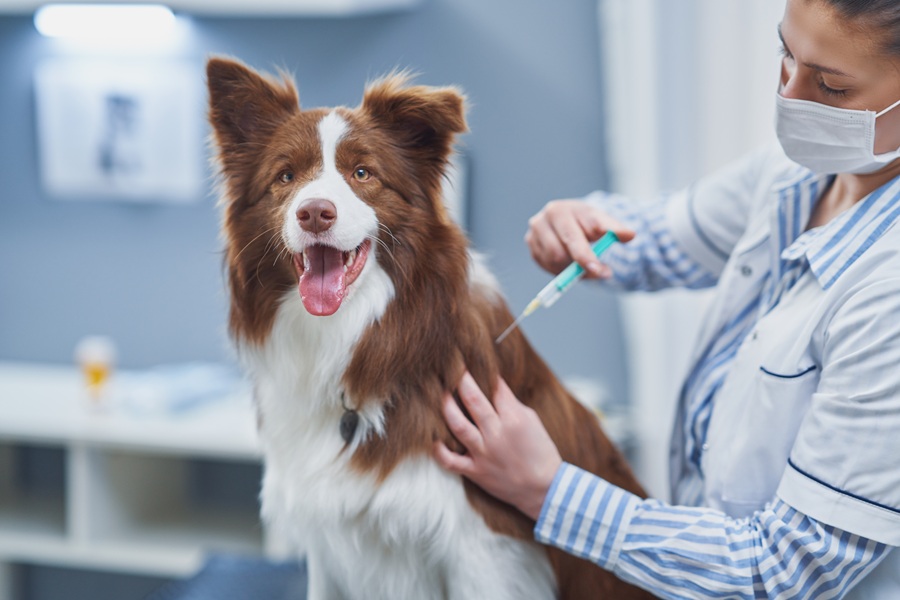
Vaccination is the most powerful tool to prevent distemper. Puppies, kittens, and unvaccinated adult pets are most vulnerable. Vaccinations work by training your pet’s immune system to recognize and fight off the virus before it ever takes hold.
When you commit to pet vaccinations, you not only protect your own pet but also help reduce outbreaks in the community. This “herd immunity” means fewer chances for the virus to spread among neighborhood pets.
The Vaccine Timeline Explained
Understanding when your pet needs vaccinations is just as important as understanding why.
- Puppies and kittens receive their first shots around 6–8 weeks of age.
- Booster shots typically follow every 3–4 weeks until 16 weeks old.
- Adult pets need regular boosters based on your veterinarian’s recommendations.
Because vaccines can vary depending on your pet’s age, breed, health, and lifestyle, consulting a veterinarian in Charlotte ensures you follow the right timeline for lasting protection.
Beyond Vaccines: Building a Strong Defense
While distemper vaccines play a primary role in protection, responsible pet care involves more. To strengthen your pet’s defenses:
- Keep stress levels low to help immunity stay strong
- Provide balanced nutrition for overall health
- Schedule wellness visits for early detection of potential issues
- Maintain parasite control to reduce added strain on the body
These combined efforts enhance the effectiveness of pet vaccinations and help your pet live a healthier, more resilient life.
Why Regular Veterinary Visits Are Non-Negotiable
Even if your pet is vaccinated, annual or biannual veterinary visits are critical. Distemper vaccines may need renewal, and your vet can evaluate your pet’s current health to ensure immunity remains strong. Additionally, regular checkups allow vets to screen for other common illnesses, reinforce preventative care, and provide peace of mind for worried pet parents.
Pet vaccinations are more than one-time events—they’re part of a holistic wellness plan led by veterinary professionals who care about your pet’s long-term future.
FAQs About Distemper and Vaccination
Q1. Can my pet still get distemper if vaccinated?
Ans. While extremely rare, breakthrough infections can occur. However, vaccinated pets usually experience far milder symptoms compared to unvaccinated ones.
Q2. How often does my dog or cat need a distemper shot?
Ans. Most pets require annual or triennial boosters, depending on the vaccine brand and your veterinarian’s guidance.
Q3. Is the distemper vaccine safe?
Ans. Yes. Side effects are generally mild, such as slight soreness at the injection site. Serious reactions are uncommon.
Q4. Can indoor pets skip the distemper vaccine?
Ans. No. Even indoor pets face exposure through shoes, hands, or open windows. Vaccination is essential for all pets.
Q5. What should I do if I miss a vaccine appointment?
Ans. Contact your veterinarian immediately. They will advise whether your pet needs to restart the vaccination series or just receive a booster.
Q6. Are distemper vaccines expensive?
Ans. They are affordable compared to the cost of treating distemper. Most pet vaccinations are reasonably priced and often part of wellness packages.
Conclusion: A Shield of Love and Protection
Distemper is preventable, but only when pet owners stay proactive. Vaccinating your pet is an act of love, ensuring they avoid the suffering caused by this dangerous disease. With consistent vaccinations and support from a skilled veterinarian, you give your four-legged family members the best chance at a long, joyful, and healthy life.
By making vaccination a priority, you’re not just protecting your pet—you’re protecting the entire community of pets they interact with. Prevention today means peace of mind tomorrow.