New Client? Enjoy Your First Comprehensive Exam for Just $35!



What You Should Know Before Your Pet’s Vaccination Appointment
Pet vaccinations play a vital role in your furry companion’s health and longevity. If you’re preparing for your pet’s vaccination appointment, it’s more than just showing up at the vet. Knowing what to expect—and how to prepare – can make the entire experience smoother for both you and your pet. Whether you’re a new pet parent or a seasoned owner, these tips and insights will help you confidently navigate your next visit for pet vaccinations.
Why Vaccines Matter More Than You Think
Vaccinations do more than protect your pet; they also safeguard your family and community. Rabies, distemper, parvovirus, and feline leukemia are just a few of the dangerous illnesses these vaccines help prevent. Not only do vaccines build immunity, but they also minimize the spread of disease among other animals and humans.
Many regions, including Charlotte, require certain vaccines by law—especially rabies. So staying up-to-date on your pet’s vaccines isn’t just a health decision; it’s a legal responsibility.
Timing Is Everything: Know Your Pet’s Vaccination Schedule
Puppies and kittens start receiving vaccines as early as 6–8 weeks old. Booster shots follow every few weeks until about 16 weeks of age. After that, pets typically receive annual or tri-annual vaccines depending on the disease and their lifestyle.
It’s important to speak with your veterinarian to understand your pet’s specific schedule. For instance, outdoor cats or dogs that frequent parks may need additional protection compared to indoor-only pets.
Always keep a copy of your pet’s vaccination records, as you’ll often need them for boarding, travel, or grooming services.
How to Prep Your Pet (and Yourself) Before the Visit
The vet’s office can be intimidating for pets. Reduce their stress by practicing calm crate training and offering comfort items like their favorite toy or blanket. Avoid feeding your pet right before the appointment, especially if they get nervous or carsick.
For cats, use a secure and cozy carrier. Dogs should have a well-fitted collar or harness and leash. Schedule appointments during quieter times of day if possible and try to remain calm—your pet often mirrors your emotions.
What Happens During the Appointment
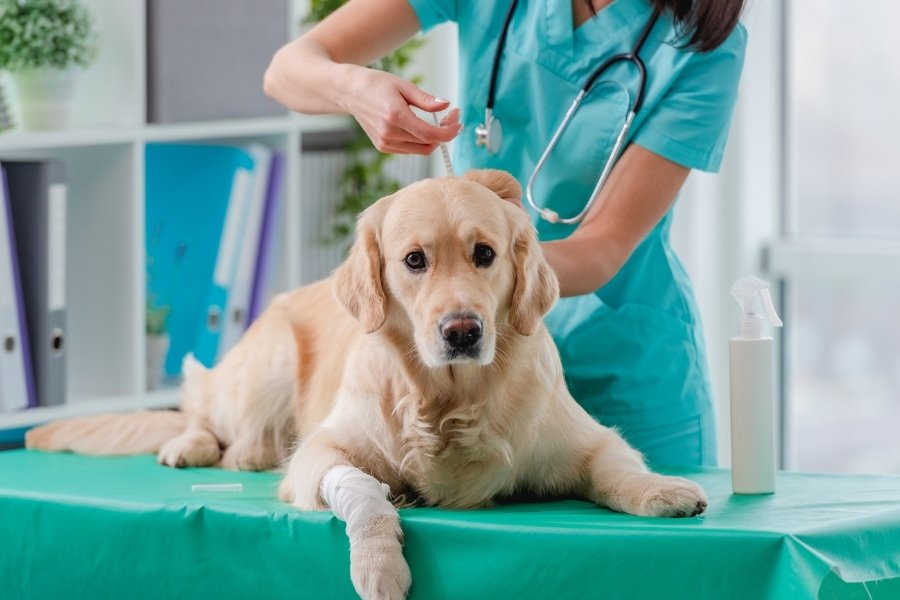
Once at the clinic, your vet will begin with a physical examination. They’ll check your pet’s weight, temperature, ears, eyes, and heart. Based on their age, breed, and lifestyle, the appropriate vaccines will be administered.
The injection process is quick—usually just a pinch. You’ll likely be asked to wait a few minutes afterward in case of a mild reaction. Your vet may also discuss flea prevention, nutrition, and any behavioral concerns during the visit.
Aftercare Insights: Monitoring Your Pet Post-Vaccine
Mild symptoms like sleepiness, tenderness at the injection site, or slight fever are common and usually disappear within 24–48 hours. However, you should contact your vet if your pet shows signs of:
- Vomiting or diarrhea
- Swelling of the face or paws
- Trouble breathing
- Hives or excessive itching
Keep your pet calm after their vaccine. Skip strenuous exercise and offer extra love and treats for being such a trooper.
Why Local Vets Make All the Difference
Veterinary clinics understand the regional threats to pet health, such as tick-borne illnesses, heartworm, and rabies hotspots. Choosing a local provider for pet vaccinations means you’ll receive expert advice that’s tailored to your area.
Additionally, many clinics offer vaccine packages, wellness plans, and reminders to keep your pet on track. Building a relationship with your local vet ensures your pet receives personalized care for years to come.
Healthy Pets, Happy Owners
Being prepared is the best way to ensure your pet’s vaccination appointment goes smoothly. From understanding the schedule to choosing the right provider, a little planning goes a long way. Regular vaccinations not only keep your pet protected but also contribute to the health of your community. If your pet is due for preventive care, schedule an appointment with Riverbend Veterinary PetCare Hospital to help keep them healthy and protected for years to come.
Frequently Asked Questions (FAQs)
1. Are pet vaccinations required by law in Charlotte?
Yes, rabies vaccines are legally required for both cats and dogs in Charlotte. Other vaccines are highly recommended based on your pet’s lifestyle.
2. Can my pet have an allergic reaction to vaccines?
While rare, allergic reactions can happen. Watch for swelling, vomiting, or breathing issues after the appointment and call your vet immediately if symptoms occur.
3. How often should adult pets be vaccinated?
Most adult pets receive vaccines annually or every three years, depending on the type. Your vet will recommend a schedule based on your pet’s needs.
4. Is it safe to vaccinate older pets?
Yes, but your vet may evaluate the pet’s overall health before administering boosters. Seniors often still benefit from core vaccinations.
5. What if I miss a booster appointment?
Missing a booster could reduce the vaccine’s effectiveness. Contact your vet to reschedule as soon as possible; your pet may need to restart the series.
6. Can I vaccinate my pet at home?
While some vaccines are available over the counter, it’s safest to have them administered by a licensed veterinarian. This ensures proper dosage, administration, and record-keeping.