New Client? Enjoy Your First Comprehensive Exam for Just $35!



What Your Pet’s Vital Signs Reveal Beyond the Stethoscope

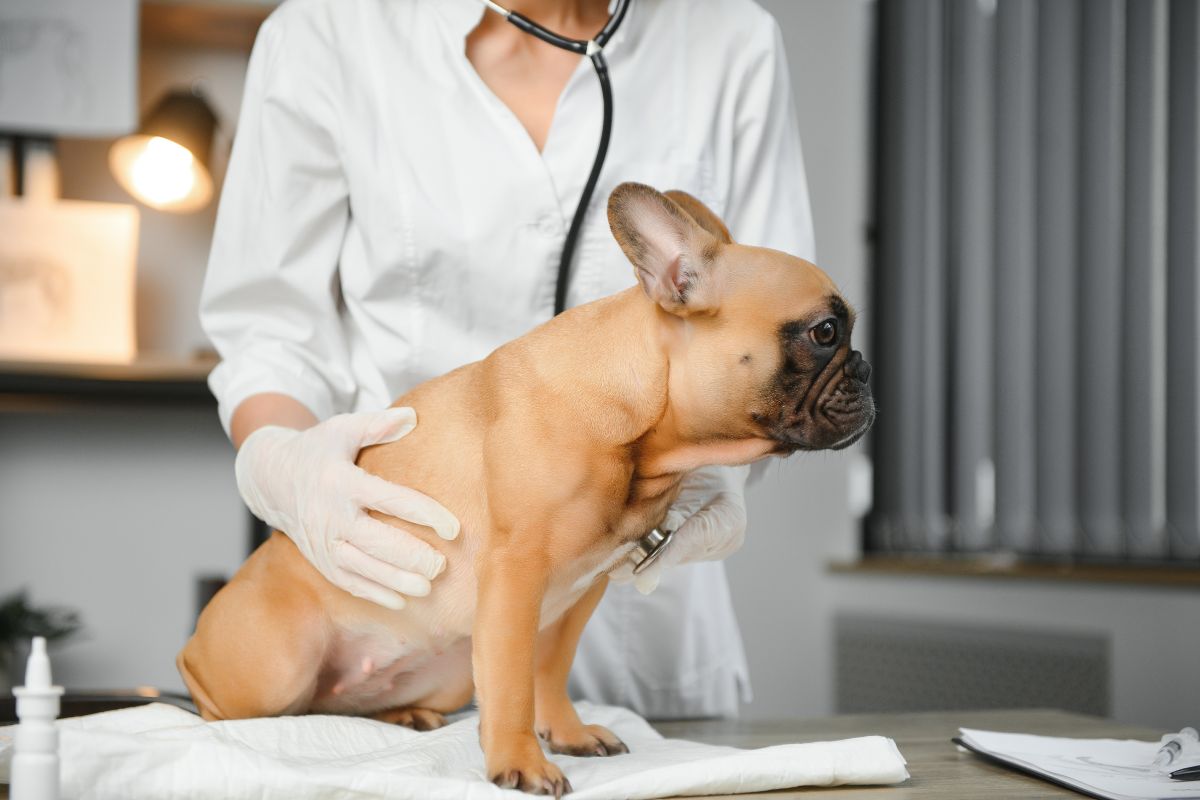
When you bring your pet to a animal hospital, the first step often seems simple: a veterinarian places a stethoscope on your pet’s chest. However, what happens next goes far beyond listening for heartbeats. Vital signs—such as temperature, pulse, respiration, and even gum color—tell veterinarian Charlotte a deeper story about your pet’s health. Each reading provides an important clue, and when combined together, they can reveal underlying issues that even the most attentive pet parent might miss.
The Unsung Heroes: Temperature and Pulse
A change in body temperature is often an early warning sign. A fever, for example, may signal infection, inflammation, or even a hidden disease. On the other hand, a lower-than-average temperature can point to shock or poor circulation. Similarly, pulse rate offers a direct look into your pet’s cardiovascular health. A pulse that is too rapid may indicate stress, pain, or fever. A slower beat might suggest heart conditions that require further diagnostic care in Charlotte.
By paying attention to these subtle shifts, vets can begin narrowing down possible causes and guide owners toward timely treatment.
Breathing Tells Its Own Tale
Respiratory rate is another vital clue. Shallow or rapid breathing could reflect pain, dehydration, or respiratory illness. In some cases, irregular breathing suggests possible heart disease. Your veterinarian will not just count breaths per minute; they will watch how easily your pet inhales and exhales. Together, these observations help paint a bigger picture of overall health. Transitioning from surface-level signs, vets often recommend diagnostic imaging or bloodwork to confirm what the breathing patterns hint at.
Gum Color: The Silent Indicator
Did you know your pet’s gum color can be just as telling as lab tests? Healthy gums are pink and moist, but pale gums may suggest anemia, while bluish gums can indicate a lack of oxygen. Bright red gums may reveal heatstroke or poisoning. Because gums mirror circulation and oxygen levels, animal hospitals often include their examination in every checkup. This human connection—the ability to “read” signs without words—strengthens the bond between pets, owners, and veterinarians.
Vital Signs + Diagnostics = Lifesaving Insight
While measuring vital signs offers essential baselines, pairing them with advanced diagnostic care creates a powerful combination. Modern veterinary practices rely on bloodwork, urinalysis, X-rays, and ultrasound to confirm suspicions raised during the exam. For example, a rapid pulse alongside pale gums might encourage immediate blood tests for anemia. In this way, vital signs act like roadmaps, pointing Charlotte vets toward the right path for accuracy and speed.
Why Early Detection Changes Everything
The earlier your veterinarian spots subtle variations in vital signs, the better the chances for successful treatment. Early detection of kidney disease, diabetes, or heart issues often reduces the need for invasive procedures and lowers long-term medical costs. More importantly, timely intervention protects priceless moments of joy with your furry friend. Remember, pets cannot tell us when something feels wrong—vital signs speak on their behalf.
Caring Beyond the Exam Room
At a trusted animal hospital, care does not end when the stethoscope is set aside. Compassion, follow-ups, and preventive strategies ensure your pet remains healthy in the long run. From wellness exams to advanced diagnostics, each step reinforces the importance of listening—not just to what the instruments say, but to what your pet’s body communicates every day.
FAQs
Q1. Why are my pet’s vital signs important?
Ans. Vital signs provide the first clues about your pet’s health. They help veterinarians assess conditions ranging from infection and dehydration to more serious issues like heart disease.
Q2. What should I do if I notice my pet breathing abnormally?
Ans. Seek veterinary attention quickly. Abnormal breathing may signal pain, respiratory illness, or heart issues that require immediate evaluation.
Q3. Can gum color really reveal health problems?
Ans. Yes. Gum color reflects circulation and oxygen supply. Unusual shades often signal serious conditions that only a veterinarian can diagnose accurately.
Q4. How often should my pet’s vital signs be checked?
Ans. During every routine wellness exam, a veterinarian will check vital signs. At home, you should also monitor for visible changes, like heavy breathing or pale gums, and schedule visits with vets if concerns arise.
Q5. Why combine vital signs with diagnostic tests?
Ans. Vital signs raise important questions, while diagnostic tests provide the answers. The pairing creates precise insights, ensuring no underlying problem goes unnoticed.
Q6. How does diagnostic care help pets live longer?
Ans. By detecting diseases early, diagnostic care allows for proactive treatment. This approach minimizes complications, reduces suffering, and extends your pet’s quality of life.