New Client? Enjoy Your First Comprehensive Exam for Just $35!



13 Vet-Approved Tips for Raising a Healthy Cat
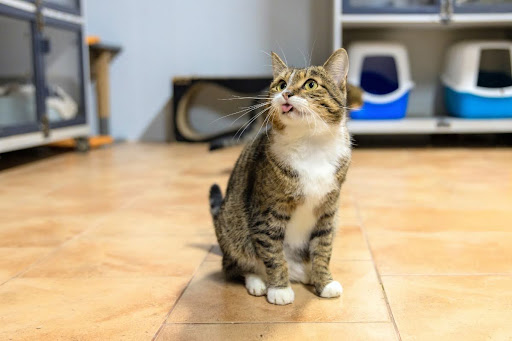
Raising a healthy cat involves much more than providing food, water, and a comfortable place to sleep. Cats are naturally good at hiding discomfort, so subtle changes in appetite, behavior, grooming, or activity can sometimes be the first indication that something is wrong. Building healthy habits early can support your cat’s physical health, emotional well-being, and quality of life throughout every life stage.
At Riverbend Veterinary PetCare Hospital, preventive wellness is approached as an ongoing partnership between pet owners and veterinary professionals. A cat’s needs can change with age, lifestyle, breed, environment, and existing health risks. Understanding these needs helps owners make informed decisions and recognize potential problems sooner.
13 Vet-Approved Tips for Raising a Healthy Cat
1. Schedule Regular Veterinary Wellness Exams
Routine veterinary examinations are one of the most effective ways to monitor your cat’s health. Cats may appear completely normal while developing dental disease, obesity, kidney problems, or other conditions that are difficult to identify at home.
During a wellness examination, a veterinarian can assess your cat’s weight, body condition, heart and lungs, skin, coat, eyes, ears, mouth, and overall behavior. Regular visits also provide an opportunity to discuss nutrition, parasite prevention, vaccinations, behavior, and age-related changes.
The frequency of examinations can vary depending on your cat’s age and health status. Kittens, senior cats, and cats with chronic health concerns may require more frequent monitoring.
2. Feed a Complete and Balanced Diet
Nutrition has a direct impact on your cat’s growth, energy, immune function, and long-term health. Choose a complete and balanced cat food appropriate for your pet’s life stage.
Kittens have different nutritional requirements than adult and senior cats. Likewise, cats with certain health conditions may need specially formulated diets.
Avoid making major dietary changes suddenly. If a diet change is necessary, gradually transition to the new food over several days unless your veterinarian recommends another approach.
Portion control is equally important. Measuring meals rather than continuously filling the bowl can help prevent excessive calorie intake.
3. Keep Fresh Water Available
Adequate hydration supports several important body functions, including kidney and urinary health. Cats can sometimes have a low thirst drive, making access to clean water particularly important.
Provide fresh water every day and wash bowls regularly. Some cats prefer running water, so a pet water fountain may encourage drinking. Wet food can also contribute to overall water intake.
If your cat suddenly begins drinking significantly more or less than usual, mention the change to your veterinarian. Changes in thirst can sometimes accompany underlying health problems.
4. Maintain a Healthy Body Weight
Excess weight can increase the risk of several health problems, including diabetes, mobility issues, and reduced quality of life. At the same time, unexplained weight loss can indicate an underlying medical condition.
Rather than relying only on the number on a household scale, veterinarians evaluate body condition and muscle condition as part of a complete assessment.
Measure meals, limit high-calorie treats, and provide regular opportunities for movement. Ask your veterinary team to help determine an appropriate weight and feeding amount for your cat.
5. Stay Current on Vaccinations
Vaccinations help protect cats against preventable infectious diseases. The appropriate vaccine schedule depends on factors such as age, lifestyle, exposure risk, geographic considerations, and overall health.
Even indoor cats may have opportunities for exposure through veterinary visits, contact with other animals, escaped outdoor excursions, or contaminated materials brought into the home.
Your veterinarian can create a vaccination plan based on your cat’s individual risk profile rather than relying on a one-size-fits-all approach.
6. Use Consistent Parasite Prevention
Indoor cats can still encounter parasites. Fleas, ticks, intestinal parasites, and other pests may enter the home or reach cats through contact with animals and contaminated environments.
Parasites can cause itching, skin irritation, gastrointestinal problems, anemia, and other health concerns. Some parasites can also affect people.
Ask your veterinarian which parasite prevention products are appropriate for your cat. Never use a flea or tick product intended for dogs on a cat unless a veterinarian specifically confirms that it is safe. Certain dog products containing permethrin can be highly toxic to cats.
7. Make Dental Care Part of the Routine
Dental health is an important but frequently overlooked component of feline wellness. Plaque can accumulate on teeth and contribute to gingivitis and periodontal disease.
Signs of possible dental problems include persistent bad breath, red or swollen gums, difficulty chewing, drooling, pawing at the mouth, and changes in eating behavior.
Daily toothbrushing with toothpaste specifically formulated for cats can help control plaque. Introduce brushing gradually and use a cat-safe toothbrush and toothpaste.
Professional dental examinations are also important because some dental problems occur below the gumline and cannot be identified simply by looking at the visible teeth.
8. Encourage Daily Exercise and Play
Cats need opportunities to move, explore, stalk, chase, and interact with their environment. Regular play can help support healthy body weight while also providing mental stimulation.
Use interactive toys such as wand toys, puzzle feeders, and appropriate chase toys. Rotate toys periodically to maintain interest.
Short play sessions throughout the day can work well for many cats. Allow your cat to engage at a comfortable pace and provide opportunities to climb, scratch, hide, and observe the surroundings.
9. Create a Cat-Friendly Home Environment
A healthy environment supports both physical and emotional well-being. Cats generally benefit from having access to safe resting areas, hiding spaces, scratching surfaces, elevated locations, and clean litter boxes.
Provide resources in locations where your cat can access them without feeling threatened by other pets or household activity.
Environmental enrichment is especially important for indoor cats because they have fewer opportunities to explore naturally varied surroundings.
10. Maintain Good Litter Box Habits
Changes in litter box behavior should never automatically be dismissed as bad behavior. Urinating outside the litter box, straining, frequent trips to the box, blood in the urine, or sudden changes in elimination habits can indicate a medical or behavioral concern.
Keep litter boxes clean and place them in quiet, accessible locations. A commonly recommended starting point is one litter box per cat plus one additional box, although individual households may require adjustments.
If your cat suddenly struggles to urinate or repeatedly attempts to urinate without producing urine, seek veterinary care promptly. Urinary obstruction can become a serious emergency, particularly in male cats.
11. Watch for Changes in Behavior
Because cats often conceal signs of illness, knowing what is normal for your individual cat is extremely valuable.
Pay attention to changes such as:
- Sleeping much more than usual
- Hiding frequently
- Reduced appetite
- Increased vocalization
- Aggression or irritability
- Changes in grooming
- Difficulty jumping or climbing
- Sudden changes in social behavior
- Altered litter box habits
- Unexplained weight changes
One isolated change may not indicate a serious problem, but persistent or noticeable changes deserve attention.
12. Practice Safe Grooming and Handling
Regular grooming provides more than a clean coat. It gives owners an opportunity to check for skin changes, lumps, wounds, parasites, matting, and other abnormalities.
Long-haired cats may need more frequent brushing to reduce mats and loose hair. Nail trimming can also help prevent overgrown claws from becoming uncomfortable or causing injuries.
Introduce grooming gradually and use positive reinforcement. Avoid forcing a frightened cat through an uncomfortable procedure. If grooming becomes difficult, ask a veterinary professional for guidance.
13. Make Preventive Care a Lifelong Priority
Healthy cats benefit from consistent preventive care throughout their lives. Vaccinations, parasite control, dental care, nutrition, weight management, behavioral monitoring, and routine examinations all work together rather than functioning as isolated services.
A preventive plan should also change as your cat ages. Kittens require developmental monitoring and vaccination support, while adult cats need continued wellness and risk assessment. Senior cats may benefit from closer monitoring for age-related changes.
The goal of pet preventive care is not simply to treat disease after symptoms become obvious. It focuses on identifying risks early, maintaining healthy habits, and monitoring changes before they become more difficult to manage.
When Should You Call a Veterinarian?
Some symptoms warrant prompt veterinary attention rather than waiting for the next routine appointment. Contact your veterinary team if your cat experiences persistent vomiting or diarrhea, significant appetite changes, difficulty breathing, severe lethargy, sudden weakness, unexplained weight loss, repeated vomiting, unusual bleeding, or substantial behavioral changes.
Difficulty urinating is particularly important to recognize. A cat that repeatedly strains in the litter box and produces little or no urine may require urgent evaluation.
When in doubt, contacting a veterinary professional is generally safer than assuming a change will resolve on its own.
Supporting Lifelong Feline Health
A healthy cat is supported by consistent nutrition, appropriate exercise, dental hygiene, parasite prevention, vaccinations, environmental enrichment, and regular veterinary monitoring. Just as importantly, owners who know their cat’s normal habits are better positioned to recognize subtle changes.
Preventive care should be individualized because every cat has different nutritional, behavioral, environmental, and medical needs. Regular communication with a veterinary team can help ensure those needs are addressed as your cat moves through different life stages.
For pet owners in Charlotte, NC, building a thoughtful wellness routine can help support a healthier and more comfortable life for your cat. Schedule your appointment with Riverbend Veterinary PetCare Hospital to discuss an individualized wellness plan for your feline companion.
FAQs:
Q1. How often should my cat have a veterinary checkup?
Ans: Most healthy adult cats should receive routine wellness examinations at least annually, while kittens, senior cats, and cats with medical conditions may need more frequent visits. Your veterinarian can recommend a schedule based on your cat’s age and individual health needs.
Q2. Can indoor cats still need vaccinations and parasite prevention?
Ans: Yes. Indoor living reduces some exposure risks but does not eliminate them. Parasites and infectious diseases can enter a home through other animals, people, veterinary visits, or environmental exposure. Your veterinarian can determine which preventive measures are appropriate.
Q3. How can I tell if my cat is overweight?
Ans: A veterinarian can evaluate your cat’s body condition, muscle mass, weight, diet, and lifestyle. Visible waist definition, a palpable rib structure without excessive fat covering, and appropriate body proportions are useful indicators, but a professional assessment provides greater accuracy.
Q4. How often should I brush my cat’s teeth?
Ans: Daily brushing is ideal for controlling plaque. Start slowly with a cat-specific toothbrush and toothpaste, allowing your cat to become comfortable with the process. Veterinary dental examinations remain important even when you brush regularly.
Q5. What are early signs that my cat may be sick?
Ans: Early signs can include reduced appetite, hiding, changes in grooming, altered litter box habits, unusual vocalization, reduced activity, vomiting, diarrhea, weight changes, or changes in normal social behavior. Because cats can hide illness, persistent changes should be discussed with a veterinarian.
Q6. What is the most important thing I can do to keep my cat healthy?
Ans: There is no single action that replaces comprehensive care. Providing a complete diet, maintaining a healthy weight, keeping vaccinations and parasite prevention current, supporting dental health, offering enrichment and exercise, and scheduling regular veterinary examinations all contribute to long-term feline wellness.