New Client? Enjoy Your First Comprehensive Exam for Just $35!



The Hidden Health Risks of Indoor Pets and Easy Ways to Prevent Them
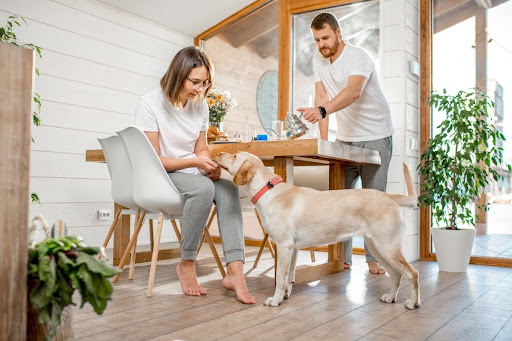
Indoor pets often enjoy a safer environment than animals that spend most of their time outdoors. They have less exposure to traffic, predators, extreme weather, and many outdoor hazards. However, staying indoors does not automatically protect dogs and cats from every health problem. In fact, some hidden risks can develop gradually because of lifestyle, nutrition, limited exercise, household chemicals, parasites, and missed preventive care.
Many of these issues are difficult for pet parents to notice in their early stages. A dog may slowly gain weight without obvious changes in appetite, while a cat may develop dental disease or become less active over time. Therefore, understanding common indoor pet health risks can help owners recognize warning signs early and take practical steps to protect their companions.
Why Indoor Pets Still Need Preventive Health Care
Indoor living reduces certain dangers, but it does not eliminate the need for routine veterinary care. Pets can still develop infections, parasites, dental problems, obesity, allergies, behavioral concerns, and chronic diseases. Some illnesses may also progress quietly before visible symptoms appear.
For pet parents searching for reliable pet preventative care in Charlotte, routine wellness visits can provide an opportunity to monitor a pet’s weight, dental health, nutrition, vaccinations, parasite protection, and overall condition. Preventive care is especially important because early detection can make many health concerns easier to manage.
1. Weight Gain and Obesity
One of the most common hidden health risks for indoor pets is excess weight. Indoor dogs and cats may burn fewer calories because they have limited opportunities to run, explore, or engage in natural physical activities.
Extra weight can put additional stress on the joints and may contribute to mobility problems. Obesity is also associated with an increased risk of several health conditions, including diabetes and other chronic problems.
Easy Ways to Prevent Pet Obesity
Start by measuring your pet’s food rather than estimating portions. Follow feeding recommendations from your veterinarian and adjust portions based on age, activity level, body condition, and health needs.
In addition:
- Provide regular age-appropriate exercise.
- Limit high-calorie treats.
- Use interactive toys to encourage movement.
- Schedule routine weight checks.
- Ask your veterinarian about an appropriate diet if your pet is gaining weight.
Even small changes can make a meaningful difference when practiced consistently.
2. Lack of Physical and Mental Stimulation
Indoor pets need more than food, water, and a comfortable bed. Dogs and cats also need opportunities to move, explore, play, and engage their minds.
Without enough stimulation, pets may become bored or develop unwanted behaviors. Dogs might chew furniture, bark excessively, or become restless. Cats may scratch inappropriate surfaces, overeat, hide more often, or show reduced interest in normal activities.
How to Keep Indoor Pets Active
Create a daily routine that includes play and exercise. For dogs, walks, games of fetch, training sessions, and food puzzles can provide both physical and mental activity.
Cats can benefit from interactive toys, climbing structures, scratching posts, and short play sessions throughout the day. Rotating toys can also keep familiar activities interesting.
3. Dental Disease Can Develop Quietly
Dental problems are another hidden concern because pets often continue eating even when their mouths hurt. Bad breath, tartar buildup, red gums, difficulty chewing, drooling, and changes in eating habits can indicate oral health problems.
Dental disease can become more serious when plaque and tartar remain untreated. As inflammation progresses, it can affect the tissues supporting the teeth and cause discomfort.
Simple Dental Care for Dogs and Cats
Daily tooth brushing is one of the most effective ways to support oral hygiene. Use a pet-specific toothbrush and toothpaste rather than human toothpaste.
Veterinary dental examinations are also important. Depending on your pet’s condition, your veterinarian may recommend professional dental cleaning and dental X-rays.
4. Household Toxins Are Easy to Overlook
Indoor environments contain many substances that can be dangerous to pets. Cleaning products, medications, certain plants, pest-control products, and some human foods can pose serious risks.
Pets are naturally curious. A bottle left on a low shelf or a pill dropped on the floor may become an unexpected hazard.
Make Your Home Safer
Store medications and cleaning supplies in secure cabinets. Keep potentially toxic plants away from pets and research any plant before bringing it into your home. Food scraps should also be kept out of reach.
If you suspect your pet has swallowed something potentially toxic, contact a veterinarian or an appropriate animal poison control resource promptly. Do not induce vomiting unless a veterinary professional specifically instructs you to do so.
5. Parasites Can Affect Indoor Pets Too
Many pet owners assume that indoor cats and dogs do not need parasite prevention. However, fleas, ticks, mosquitoes, and some intestinal parasites can still enter the home or reach pets during outdoor trips.
For example, fleas can be carried indoors on people, other animals, clothing, or outdoor items. A dog that only goes outside for short walks can still encounter parasites.
Consistent parasite prevention should be based on your pet’s lifestyle, geographic area, age, and individual health needs. Your veterinarian can recommend an appropriate preventive schedule.
6. Poor Nutrition Can Create Long-Term Problems
Feeding a pet every day does not necessarily mean the diet meets all of its nutritional needs. Excessive treats, table scraps, inappropriate diets, or incorrect portion sizes can gradually affect health.
Nutritional requirements also change throughout life. Puppies and kittens have different needs from adult pets, while senior animals may require dietary adjustments based on their health status.
Choose a complete and balanced diet appropriate for your pet’s life stage. If you want to change foods, discuss the transition with your veterinarian and make dietary changes gradually when appropriate.
7. Stress and Anxiety Can Hide Behind Behavior Changes
Indoor pets can experience stress even when their environment appears comfortable. Changes in household routines, new people, loud noises, other animals, separation, or insufficient enrichment may affect their emotional well-being.
Signs can vary between individual animals. A stressed pet may become unusually withdrawn, vocal, destructive, restless, or clingy. Some pets may also develop changes in appetite or bathroom habits.
Maintaining predictable routines can help. Give pets a quiet place where they can retreat and provide appropriate enrichment throughout the day.
If a sudden behavior change occurs, do not automatically assume it is simply a behavioral issue. Pain and illness can also cause changes in behavior, so a veterinary evaluation may be appropriate.
8. Indoor Air Quality Matters
Pets spend a significant amount of time close to the floor, where dust and other particles can accumulate. Household smoke, strong fragrances, poor ventilation, dust, mold, and other airborne irritants may affect sensitive pets.
Regular cleaning and good ventilation can help create a healthier indoor environment. Avoid exposing pets to cigarette smoke and be cautious with heavily fragranced products.
Pets with persistent coughing, sneezing, breathing difficulties, or unusual respiratory symptoms should be evaluated by a veterinarian.
9. Missed Wellness Exams Can Delay Detection
Perhaps the biggest hidden risk is assuming that an apparently healthy indoor pet does not need regular veterinary examinations. Pets can hide signs of illness, and subtle changes may be difficult to recognize at home.
Routine wellness appointments allow veterinarians to evaluate body condition, teeth, skin, ears, heart, lungs, mobility, and other aspects of health. Depending on the pet’s age and risk factors, the veterinarian may also recommend laboratory testing, vaccinations, parasite prevention, or other screening.
For example, Riverbend Veterinary PetCare Hospital can represent the type of veterinary resource pet owners may use to maintain a consistent preventive health routine for their animals.
A Simple Preventive Routine for Indoor Pets
Preventing indoor pet health problems does not have to be complicated. A consistent routine can make preventive care easier.
Daily
Provide fresh water, appropriate food portions, exercise, play, mental stimulation, and basic observation. Pay attention to changes in appetite, energy, bathroom habits, and behavior.
Weekly
Check your pet’s coat, skin, ears, nails, and overall body condition. Look for unusual lumps, irritation, odor, or changes that were not present previously.
Regularly
Brush your pet’s teeth as recommended, maintain parasite prevention, clean bedding and living areas, and keep potentially toxic substances securely stored.
At Veterinary Wellness Visits
Discuss vaccinations, parasite prevention, nutrition, dental health, weight management, exercise, behavior, and age-specific screening. Preventive recommendations should be customized to your pet rather than based solely on general advice.
When Should You Contact a Veterinarian?
Some changes deserve prompt veterinary attention. Contact a veterinary professional if your pet develops persistent vomiting, diarrhea, coughing, breathing difficulty, sudden weakness, significant appetite changes, unexplained weight loss, severe lethargy, difficulty urinating, seizures, or other concerning symptoms.
Even less dramatic changes can be worth discussing when they persist or worsen. You know your pet’s normal habits better than anyone, so noticing a change and acting early can be valuable.
Indoor living provides many advantages, but it does not make pets immune to health risks. Obesity, dental disease, parasites, household toxins, poor nutrition, stress, inactivity, and missed wellness examinations can affect even pets that rarely leave the house.
Fortunately, many of these risks can be reduced with simple daily habits and consistent preventive care. By monitoring your pet’s behavior, maintaining a healthy routine, providing appropriate nutrition and enrichment, and keeping up with veterinary visits, you can support better health throughout every stage of life.
For personalized preventive guidance based on your pet’s age, lifestyle, and health needs, contact us at Riverbend Veterinary PetCare Hospital to discuss an appropriate wellness plan.
Frequently Asked Questions
Q1. Are indoor pets really at risk of health problems?
Ans: Yes. Indoor pets can still develop obesity, dental disease, parasites, nutritional problems, behavioral concerns, allergies, and chronic illnesses. Indoor living reduces some environmental risks but does not eliminate the need for preventive healthcare.
Q2. Do indoor cats and dogs need parasite prevention?
Ans: Many indoor pets can benefit from parasite prevention because fleas, ticks, mosquitoes, and certain parasites can enter indoor environments or be encountered during outdoor activities. Your veterinarian can recommend prevention based on your pet’s lifestyle and risk factors.
Q3. How can I prevent obesity in my indoor pet?
Ans: Measure meals, control treats, provide regular exercise, encourage interactive play, and monitor body condition. Ask your veterinarian to help determine an appropriate feeding plan if your pet is overweight or gaining weight.
Q4. How often should indoor pets receive veterinary checkups?
Ans: The ideal schedule depends on the pet’s age, health, lifestyle, and individual risk factors. Regular wellness examinations help veterinarians identify changes early and keep preventive care up to date.
Q5. Can indoor pets experience stress or anxiety?
Ans: Yes. Changes in routine, insufficient stimulation, environmental changes, separation, noise, and other factors can contribute to stress. Providing enrichment, predictable routines, safe resting spaces, and appropriate interaction can support emotional well-being.
Q6. What is the best way to protect an indoor pet’s overall health?
Ans: A comprehensive approach works best. Provide balanced nutrition, appropriate exercise, mental stimulation, dental care, parasite prevention, a safe home environment, and regular veterinary wellness examinations. Also monitor your pet for changes and seek veterinary advice when something seems unusual.