New Client? Enjoy Your First Comprehensive Exam for Just $35!



How Often Should Dogs and Cats Get Preventive Vet Care? A Complete Guide
Your dog still races to the door when you pick up the leash. Your cat eats normally, enjoys afternoon naps, and shows no obvious signs of illness. Everything seems fine, so is another veterinary visit really necessary?
The truth is that dogs and cats can develop health problems long before their owners notice anything unusual. Dental disease, weight changes, joint discomfort, and certain internal conditions may progress quietly. Regular veterinary visits give your pet a better chance of receiving timely medical attention.
But how often should you schedule these visits? The answer depends on your pet’s age, medical history, lifestyle, and individual health needs.
At Riverbend Veterinary PetCare Hospital, we help Charlotte pet owners understand what their dogs and cats need at different stages of life. In this guide, we’ll explain how frequently pets should visit the veterinarian, what happens during routine examinations, and why staying current with preventive care matters for their long-term health.
Why Is Preventive Veterinary Care Important Even When Your Pet Seems Healthy?
Dogs and cats cannot explain when something feels wrong. They may continue eating, playing, and behaving normally despite early signs of disease.
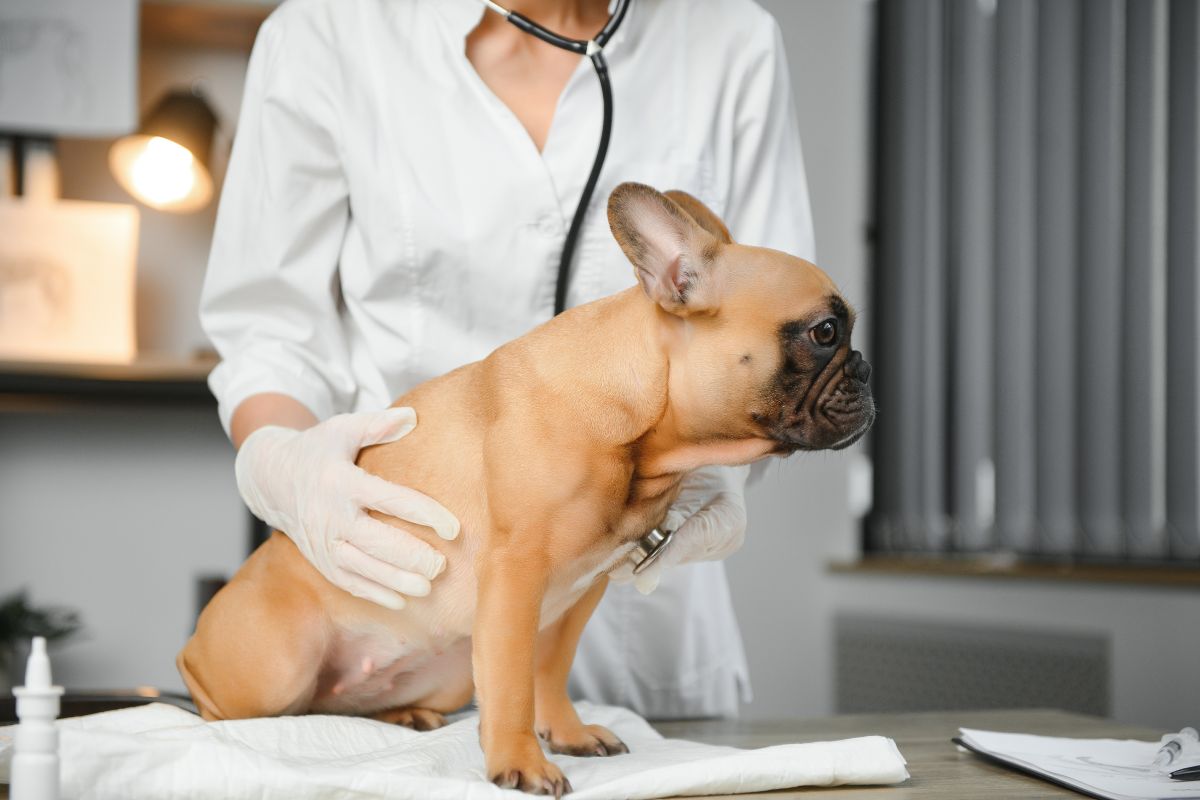
Routine examinations help veterinarians identify subtle changes before they become more serious. For example, a small increase in weight may affect joint health, while mild gum inflammation can progress into painful dental disease.
Regular appointments also help establish a record of your pet’s normal weight, physical condition, and behavior. This information makes it easier to recognize meaningful changes during future visits.
Preventive veterinary visits are not a guarantee against illness. However, they create valuable opportunities for early detection, disease prevention, and timely treatment.
How Often Do Puppies and Kittens Need Veterinary Checkups?
Puppies and kittens grow rapidly during their first few months. Their immune systems are still developing, and they need several appointments to complete their initial vaccination schedules.
Most puppies and kittens begin veterinary visits around six to eight weeks of age. Follow-up appointments are generally scheduled every three to four weeks until their initial vaccine series is complete.
During these visits, our veterinary team can:
- Monitor growth and body condition.
- Administer age-appropriate vaccinations.
- Check for intestinal parasites.
- Discuss heartworm, flea, and tick prevention.
- Review feeding and nutrition.
- Discuss microchipping and identification.
- Answer questions about behavior, training, and socialization.
Early appointments also give pet owners an opportunity to discuss concerns before unwanted habits or health problems become harder to manage.
How Often Should Senior Dogs and Cats See a Veterinarian?
As dogs and cats grow older, their risk of developing certain medical conditions increases. Arthritis, kidney disease, dental problems, diabetes, and other age-related concerns may require closer monitoring.
Many senior pets benefit from veterinary examinations approximately every six months. However, age alone does not determine how frequently an animal needs medical attention.
A large-breed dog may enter its senior years earlier than a smaller dog. Similarly, two cats of the same age may have very different health needs.
During senior wellness visits, our vets can evaluate mobility, body condition, dental health, and changes in daily habits. Bloodwork, urinalysis, or other diagnostic tests may be recommended when appropriate.
More frequent examinations help us identify changes sooner and discuss ways to maintain your pet’s comfort and quality of life.
What Preventive Services Should Dogs and Cats Receive Regularly?
A wellness examination involves more than checking your pet’s weight and listening to their heartbeat. It also provides an opportunity to review the preventive services that protect their health between appointments.
Our veterinary practice offers several services to help dogs and cats stay healthy throughout their lives.
Vaccinations Based on Age and Lifestyle
Vaccines protect pets against serious infectious diseases. However, not every dog or cat needs the same vaccines or the same booster schedule.
Our vets review each pet’s age, lifestyle, medical history, and exposure risks before recommending vaccinations. Core vaccines include rabies and important combination vaccines for dogs and cats, while additional vaccines depend on individual needs.
Year-Round Parasite Prevention and Testing
Fleas, ticks, heartworms, and intestinal parasites can affect pets even when they appear healthy. In Charlotte, year-round parasite protection is particularly important because fleas and other parasites can remain active beyond the summer months.
Our veterinary team recommends consistent parasite prevention and annual parasite testing. We also encourage owners to bring a fresh stool sample to wellness appointments when possible.
Dental Health Examinations
Dental problems can develop gradually, making them difficult to recognize at home. During wellness visits, our vets examine your pet’s teeth and gums for signs of inflammation, tartar buildup, and other oral health concerns.
If we notice anything unusual, we can discuss whether further dental evaluation or treatment is necessary.
Nutrition and Weight Management
A few extra pounds can place unnecessary strain on your pet’s joints and increase the risk of certain health problems.
Our veterinary team reviews your pet’s diet, feeding portions, body condition, and activity level. We can recommend adjustments that support a healthier weight without compromising nutritional needs.
Microchipping and Identification
Microchipping provides permanent identification that can help reunite lost pets with their families. Our vets can discuss microchipping during routine appointments and explain why keeping registration information current matters.
What Signs Mean Your Pet Should See a Vet Before Their Next Checkup?
Routine appointments are important, but some health concerns should never wait until the next scheduled examination.
Contact our veterinary practice if you notice:
- Unexpected weight loss or gain.
- Changes in eating or drinking habits.
- Persistent vomiting or diarrhea.
- Bad breath, bleeding gums, or difficulty chewing.
- Limping, stiffness, or reluctance to jump.
- Increased urination or changes in litter box habits.
- Unusual tiredness, hiding, or behavioral changes.
- Persistent coughing, scratching, or skin irritation.
These symptoms do not always indicate a serious condition, but they deserve veterinary attention. Difficulty breathing, collapse, repeated seizures, or an inability to urinate requires immediate emergency evaluation.
How Can Charlotte Pet Owners Maintain Their Pet’s Health Between Vet Visits?
Your pet’s daily routine contributes to their long-term health just as much as scheduled veterinary appointments.
Providing balanced meals, appropriate exercise, clean drinking water, and regular dental care helps support physical well-being. Maintaining parasite prevention and observing changes in behavior are equally important.
For Charlotte pet owners, outdoor activities also create opportunities for parasite exposure. Check your dog for ticks after walks through grassy or wooded areas, and keep your cat’s parasite protection current even if they spend most of their time indoors.
Our vets can help you understand which daily habits matter most for your pet’s age, breed, and medical history.
Why Consistent Veterinary Visits Matter Throughout Your Pet’s Life
Your pet’s health needs will not remain the same forever. A puppy needs support with vaccinations and growth, while an adult dog may benefit from weight management and dental monitoring. Older cats may require closer attention to kidney function, mobility, and changes in appetite.
Regular appointments allow our veterinary team to recognize these changes and adjust recommendations when necessary.
More importantly, preventive care helps pet owners make informed decisions rather than waiting until their companions become visibly ill. This ongoing attention can support comfort, activity, and a better quality of life as pets grow older.
Give Your Pet the Care They Need for a Healthier Tomorrow
Your dog deserves to enjoy daily walks, playtime, and favorite activities without preventable health problems getting in the way. Your cat deserves to remain comfortable, curious, and active throughout every stage of life.
Regular veterinary visits give you the opportunity to protect those everyday moments. From wellness examinations and vaccinations to parasite protection and nutritional guidance, our veterinary team helps you understand and manage your pet’s changing health needs.
At Riverbend Veterinary PetCare Hospital, we welcome dogs and cats from Charlotte for comprehensive veterinary wellness services. Our vets take the time to evaluate your pet’s health, discuss your concerns, and recommend an appropriate schedule for future visits.
Is your dog or cat due for a wellness examination? Contact our veterinary practice today at 704-971-2075 to schedule an appointment. Give your companion the opportunity to enjoy more healthy, comfortable years by your side.
Frequently Asked Questions
Q1. How often should a healthy adult dog visit the veterinarian?
Ans. Most healthy adult dogs should receive a wellness examination at least once a year. During these visits, veterinarians assess physical health, review vaccinations, and discuss parasite protection. Dogs with medical conditions or additional health risks may need more frequent examinations.
Q2. Do indoor cats need preventive veterinary care?
Ans. Yes. Indoor cats can develop dental disease, obesity, kidney problems, and other conditions unrelated to outdoor exposure. Annual veterinary examinations help identify health changes, review vaccination needs, and determine appropriate parasite protection. Older indoor cats may benefit from more frequent visits.
Q3. Should senior pets receive bloodwork during routine examinations?
Ans. Senior dogs and cats often benefit from periodic bloodwork because some medical conditions develop without obvious symptoms. A veterinarian may recommend blood tests, urinalysis, or other screenings based on age and medical history. Testing frequency depends on each pet’s health.
Q4. Where can I schedule preventive vet care for my dog in Charlotte?
Ans. Riverbend Veterinary PetCare Hospital provides wellness examinations, vaccinations, parasite prevention, and nutritional guidance for dogs in Charlotte. Our vets assess your dog’s age, lifestyle, and medical history before recommending an appropriate care schedule. Contact our team to arrange an appointment.
Q5. Can I get vaccinations and parasite prevention for my cat in Charlotte?
Ans. Yes. Riverbend Veterinary PetCare Hospital offers feline vaccinations and parasite prevention services in Charlotte. Our veterinary team reviews your cat’s lifestyle, age, and health needs to recommend appropriate protection. We also provide wellness examinations to monitor your cat’s overall health.