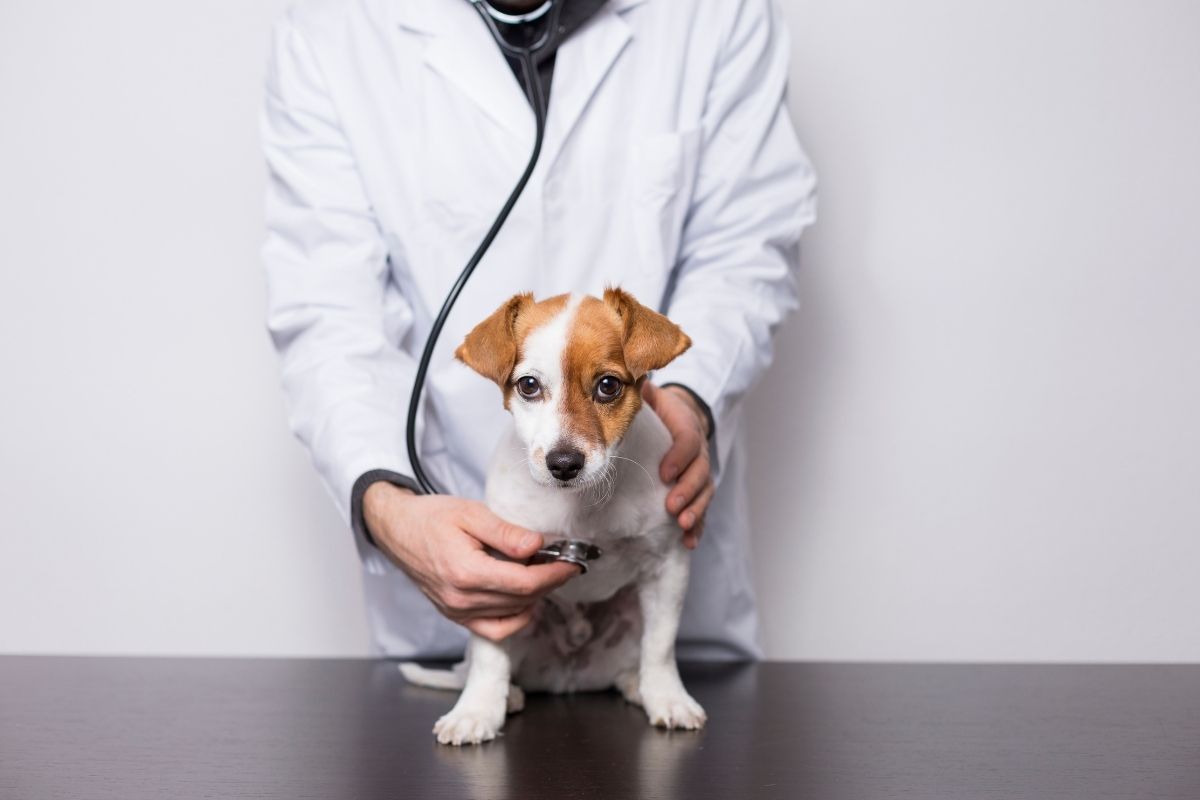
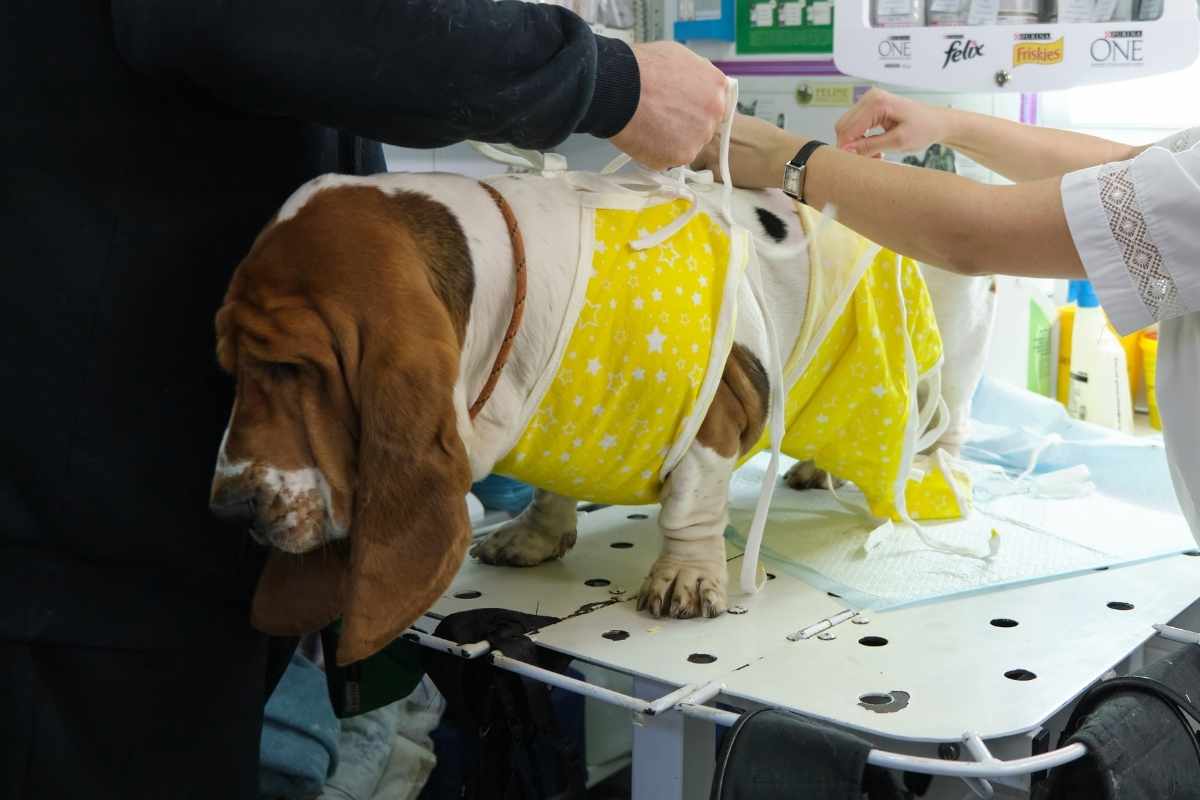
New Client? Enjoy Your First Comprehensive Exam for Just $35!



Pet Illness Warning Signs: When to Choose a House Call Vet
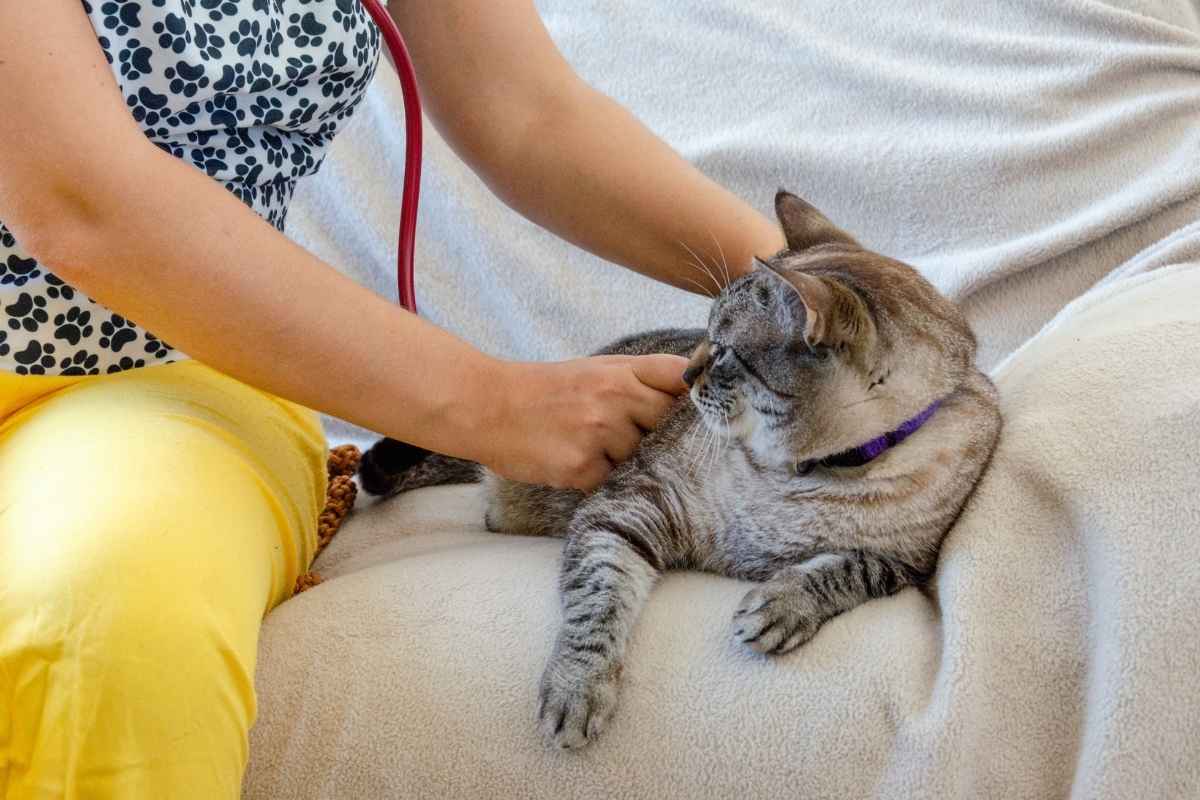
Pets can’t tell us when they’re feeling unwell, which makes it essential for owners to recognize subtle changes in behavior and health. While many conditions can be treated during routine clinic visits, there are situations where in-home veterinary support becomes the better option—especially for pets that are anxious, immobile, or experiencing stress.
At Riverbend Veterinary PetCare Hospital, we understand that every pet is unique, and sometimes the most effective Vet care happens right in the comfort of your home. Knowing when to opt for a house call veterinarian can make care more convenient, less stressful, and even more effective for certain conditions.
What Is a House Call Veterinarian?
A house call veterinarian provides medical care in your home instead of a traditional clinic setting. This approach is especially beneficial for pets that experience anxiety during travel or have mobility challenges.
Services may include:
- Routine wellness exams
- Diagnostic evaluations
- Minor treatments
- End-of-life care
House calls focus on reducing stress while delivering personalized Vet care tailored to your pet’s needs.
Key Warning Signs Your Pet May Need Immediate Attention
Recognizing illness early is crucial, whether you visit a clinic or request a home visit. Here are common warning signs to watch for:
1. Changes in Appetite or Drinking Habits
A sudden loss of appetite or excessive thirst can indicate underlying health issues such as infections, digestive problems, or organ dysfunction.
2. Lethargy or Unusual Behavior
If your pet becomes unusually tired, withdrawn, or less interactive, it may signal illness or discomfort.
3. Vomiting or Diarrhea
Occasional digestive upset can happen, but persistent symptoms should never be ignored.
4. Difficulty Moving
Limping, stiffness, or reluctance to move may indicate injury, arthritis, or pain.
5. Respiratory Issues
Coughing, wheezing, or labored breathing requires prompt attention.
6. Skin or Coat Changes
Excessive scratching, hair loss, or unusual lumps may point to allergies, infections, or other concerns.
When a House Call Vet Is the Best Choice
While clinics are equipped for comprehensive care, certain situations make house calls a preferred option:
1. Pets with Anxiety or Fear
Many pets experience stress during travel or clinic visits. A home environment helps them stay calm and cooperative.
2. Senior or Mobility-Impaired Pets
Older pets or those with injuries may struggle with transportation. House calls eliminate unnecessary discomfort.
3. Multi-Pet Households
Managing multiple pets can be challenging. A house call allows all pets to be evaluated conveniently in one visit.
4. End-of-Life Care
Compassionate, in-home care provides a peaceful environment for pets and their families during difficult times.
5. Mild to Moderate Health Concerns
For non-emergency issues, house calls offer a practical and stress-free alternative to clinic visits.
Situations That Still Require a Veterinary Hospital
While house calls are convenient, some conditions require immediate in-clinic care:
- Severe trauma or injuries
- Uncontrolled bleeding
- Advanced diagnostic needs (X-rays, surgery)
- Life-threatening emergencies
In these cases, visiting a fully equipped veterinary hospital ensures your pet receives the necessary treatment quickly.
Benefits of In-Home Veterinary Care
Choosing a house call vet offers several advantages:
- Reduced stress for pets and owners
- Personalized attention and care
- No travel-related anxiety
- Better observation of your pet’s home environment
This approach enhances the overall quality of Vet care and supports a more comfortable experience.
How to Prepare for a House Call Visit
To make the most of your appointment:
- Keep your pet in a quiet, accessible area
- Have medical records and medications ready
- Note any changes in behavior or symptoms
- Prepare questions in advance
These steps help ensure a smooth and productive visit.
Choosing the Right Veterinary Provider
Working with a trusted veterinary team ensures your pet receives consistent, high-quality care—whether at home or in the clinic.
At Riverbend Veterinary PetCare Hospital, we are committed to delivering compassionate and flexible care options that prioritize your pet’s well-being.
Book an appointment with Riverbend Veterinary PetCare Hospital to explore the best care options for your pet.
Frequently Asked Questions (FAQs)
Q1. What types of services can a house call vet provide?
Ans. House call vets offer wellness exams, diagnostics, minor treatments, and preventive care in your home.
Q2. Is a house call vet suitable for emergencies?
Ans. No, emergencies typically require immediate care at a veterinary hospital with advanced equipment.
Q3. Are house call visits more expensive?
Ans. They may cost slightly more due to travel, but the convenience and reduced stress often outweigh the difference.
Q4. How do I know if my pet is too sick for a house call?
Ans. If your pet shows severe symptoms like difficulty breathing or collapse, seek emergency care immediately.
Q5. Can multiple pets be seen in one visit?
Ans. Yes, house calls are ideal for multi-pet households and can save time and effort.
Q6. How often should I schedule in-home Vet care?
Ans. Routine visits can be scheduled annually or as recommended by your veterinarian.