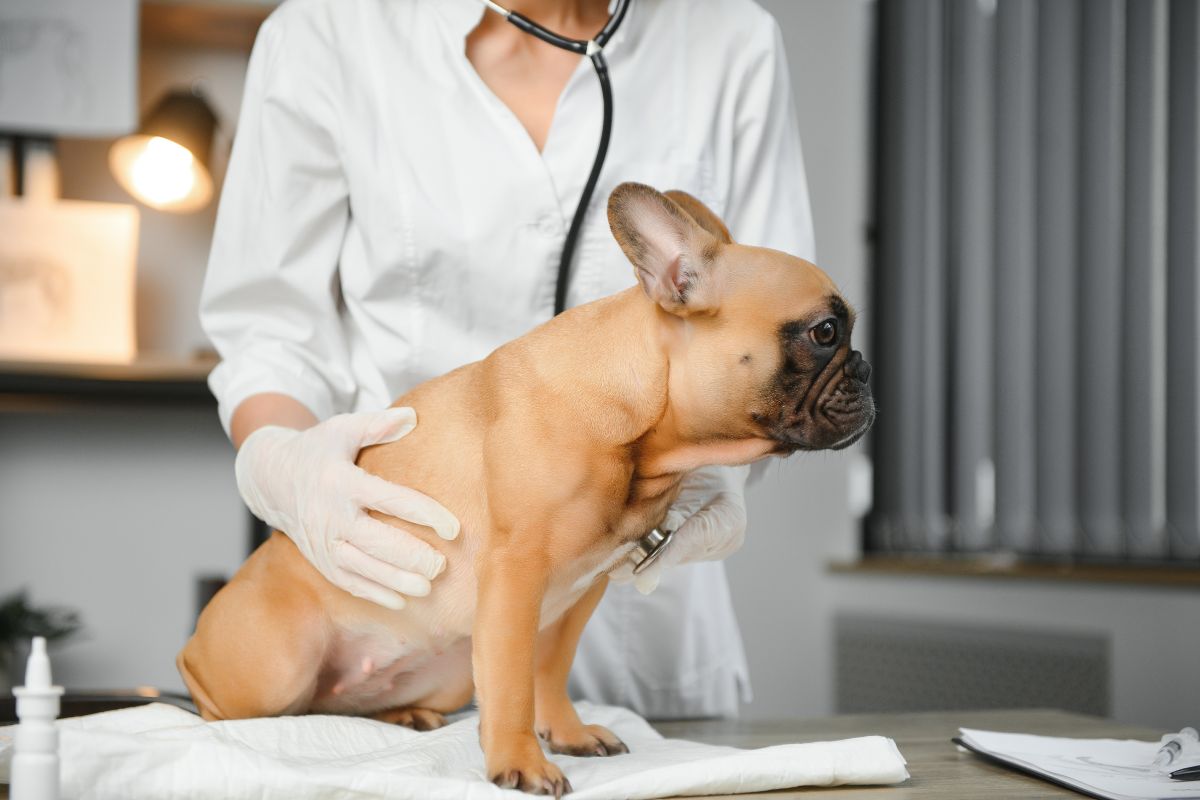
New Client? Enjoy Your First Comprehensive Exam for Just $35!



Cat Wellness Exams: What Happens During a Routine Checkup and Why It Matters
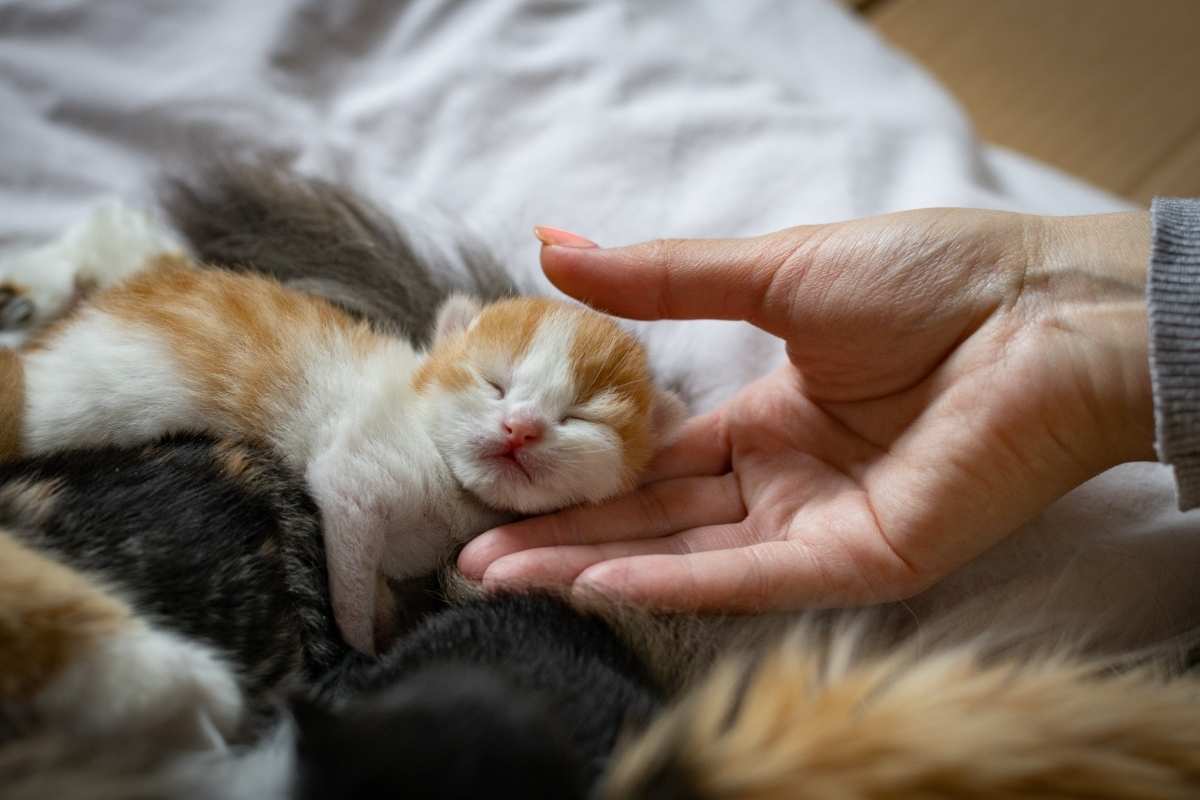
Cats are masters at hiding illness and discomfort, which can make it difficult for pet owners to recognize when something is wrong. That’s why regular wellness exams are one of the most important parts of responsible cat ownership. Even if your cat appears healthy, routine veterinary visits can help identify potential health concerns before they become serious problems.
In this guide, we’ll explain what happens during a cat wellness exam, why preventive veterinary care matters, and how regular checkups help cats live healthier, happier lives. Whether you have a playful kitten, an active adult cat, or a senior feline companion, wellness exams play a key role in long-term health.
What Is a Cat Wellness Exam?
A cat wellness exam is a routine veterinary visit designed to assess your cat’s overall health and detect potential issues before symptoms become noticeable.
Unlike appointments for illness or injury, wellness exams focus on prevention, early detection, and ongoing health monitoring.
During a wellness visit, your veterinarian evaluates multiple aspects of your cat’s physical condition, lifestyle, and medical history to ensure they remain healthy throughout every stage of life.
Why Routine Cat Checkups Matter
Many cat owners assume that if their cat is eating normally, using the litter box, and behaving as usual, everything is fine. However, cats often hide signs of illness until a condition becomes advanced.
Routine veterinary visits help identify:
- Dental disease
- Obesity
- Kidney disease
- Diabetes
- Thyroid disorders
- Heart disease
- Arthritis
- Parasites
Early detection often leads to more treatment options, better outcomes, and lower healthcare costs.
Regular wellness exams also provide an opportunity to discuss nutrition, behavior, and preventive healthcare with your veterinarian.
How Often Should Cats Have Wellness Exams?
The recommended frequency depends on your cat’s age and health status.
Kittens
Kittens typically need multiple veterinary visits during their first year for:
- Vaccinations
- Deworming
- Growth monitoring
- Nutritional guidance
Adult Cats
Healthy adult cats generally benefit from annual wellness exams.
Senior Cats
Cats aged 10 years and older often require wellness exams every six months due to the increased risk of age-related health conditions.
Your veterinarian can recommend a schedule based on your cat’s individual needs.
What Happens During a Cat Wellness Exam?
Many pet owners wonder what actually takes place during a routine checkup.
A comprehensive cat wellness exam involves several important steps that help veterinarians evaluate your cat’s health from head to tail.
Reviewing Medical History and Lifestyle
The appointment usually begins with a discussion about your cat’s overall well-being.
Your veterinarian may ask questions about:
- Appetite changes
- Water intake
- Activity level
- Litter box habits
- Behavior changes
- Current medications
- Diet and nutrition
Even small changes can provide valuable clues about your cat’s health.
Providing accurate information helps your veterinarian make informed recommendations.
Physical Examination
A thorough physical examination is one of the most important parts of the visit.
Your veterinarian will assess:
Weight and Body Condition
Monitoring weight helps identify trends that could indicate underlying medical issues.
Unexpected weight gain or loss may signal health concerns requiring further evaluation.
Eyes and Ears
Your veterinarian checks for:
- Infections
- Inflammation
- Vision concerns
- Excessive discharge
Skin and Coat
Healthy skin and a shiny coat often reflect good overall health.
The veterinarian will look for:
- Parasites
- Allergies
- Hair loss
- Skin abnormalities
Heart and Lungs
Listening to your cat’s heart and lungs helps detect:
- Heart murmurs
- Irregular heart rhythms
- Respiratory concerns
Abdomen
Gentle abdominal palpation allows veterinarians to evaluate internal organs and identify abnormalities that may require additional testing.
Dental Health Evaluation
Dental disease is one of the most common health issues affecting cats.
Unfortunately, many dental problems develop gradually and may go unnoticed at home.
During the exam, your veterinarian evaluates:
- Teeth condition
- Gum health
- Tartar buildup
- Signs of oral infection
- Tooth damage
Professional cat dental care is an important preventive service that may be recommended if signs of dental disease are detected.
Maintaining oral health not only improves comfort but also supports overall wellness.
Vaccination Review
Vaccinations play an important role in protecting cats from preventable diseases.
During the wellness exam, your veterinarian reviews your cat’s vaccination status and determines whether any boosters are needed.
Recommended vaccines may vary based on:
- Age
- Lifestyle
- Indoor or outdoor exposure
- Travel habits
- Health status
Your veterinarian will help create a vaccination plan tailored to your cat’s needs.
Parasite Prevention Assessment
Even indoor cats can be exposed to parasites.
Veterinarians often discuss prevention and screening for:
- Fleas
- Ticks
- Intestinal parasites
- Heartworms
Routine preventive care helps reduce the risk of parasite-related illnesses and keeps your cat comfortable year-round.
Diagnostic Testing for Early Detection
Depending on your cat’s age and health history, your veterinarian may recommend diagnostic testing.
Common wellness screening tests include:
- Blood work
- Urinalysis
- Fecal testing
- Blood pressure measurement
These tests help detect diseases that may not show obvious symptoms during a physical examination.
For senior cats, routine laboratory testing is particularly valuable because many age-related conditions can develop silently.
Why Cats Benefit from Preventive Care
Preventive healthcare is one of the most effective ways to support your cat’s long-term health.
Benefits of regular wellness exams include:
Early Disease Detection
Health issues identified early are often easier to manage and treat.
Better Quality of Life
Addressing concerns before they become severe helps cats remain active and comfortable.
Personalized Health Recommendations
Every cat has unique needs. Wellness exams allow veterinarians to provide individualized guidance based on age, lifestyle, and medical history.
Reduced Risk of Medical Emergencies
Preventive care can help identify potential problems before they require urgent treatment.
Local Cat Health Considerations in Charlotte, NC
Charlotte’s warm climate creates conditions where parasites such as fleas, ticks, and mosquitoes can remain active for much of the year.
Regular wellness exams help ensure cats receive appropriate preventive care and protection against local health risks.
Additionally, many Charlotte pet owners have indoor-outdoor cats, making routine health monitoring especially important for disease prevention and early detection.
Partnering with a local veterinary team helps ensure your cat receives care tailored to the specific environmental factors common in the area.
Signs Your Cat May Need a Veterinary Visit Sooner
Don’t wait for your next wellness appointment if your cat experiences:
- Loss of appetite
- Weight loss
- Increased thirst
- Changes in litter box habits
- Difficulty breathing
- Vomiting or diarrhea
- Behavioral changes
- Lethargy
- New lumps or bumps
Prompt veterinary evaluation can help address concerns before they become more serious.
Building a Lifetime of Good Health
Routine wellness exams are about much more than vaccinations and checkups. They provide an opportunity to monitor your cat’s health, strengthen the relationship with your veterinary team, and ensure your feline companion receives the care they need at every life stage.
Regular visits help establish a healthcare baseline, making it easier to recognize subtle changes that may indicate underlying medical issues.
For many cats, these preventive visits are the foundation of a long and healthy life.
Conclusion
Cat wellness exams are one of the most valuable tools for maintaining your cat’s health. From physical examinations and dental assessments to vaccinations and early disease screening, routine checkups help identify concerns before they become serious. Because cats often hide signs of illness, preventive care plays a critical role in supporting their long-term well-being.
If you’re in Charlotte searching for a cat wellness exam near you, book an appointment online with Riverbend Veterinary PetCare Hospital. Our team is dedicated to giving your feline companion the proactive care they deserve.
FAQs
Q1: What happens during a cat wellness exam?
Ans: A cat wellness exam typically includes a physical examination, weight assessment, dental evaluation, vaccination review, parasite prevention discussion, and recommendations for diagnostic testing when appropriate.
Q2: How often should my cat have a wellness exam?
Ans: Most healthy adult cats should have annual wellness exams, while kittens and senior cats often require more frequent veterinary visits.
Q3: Why are cat wellness exams important?
Ans: Wellness exams help detect health problems early, support preventive care, monitor overall health, and improve your cat’s quality of life.
Q4: Do indoor cats still need routine veterinary checkups?
Ans: Yes. Indoor cats can still develop medical conditions such as dental disease, obesity, kidney disease, and diabetes, making regular wellness exams essential.
Q5: What preventive services are included in a cat wellness visit?
Ans: Preventive services often include physical exams, vaccination reviews, parasite prevention recommendations, dental evaluations, and health screenings tailored to your cat’s age and lifestyle.